Complete Beginner to Expert Guide
Cycling a betta tank is the most important step in betta care. It protects your fish from toxic waste and creates a stable biological system. If you skip cycling, even clean looking water can kill a betta in days. This guide explains how to cycle a betta tank correctly using methods proven by aquarium science and long term fish keeping experience.
How to Cycle a Betta Tank Safely: Step-by-Step Overview
Cycling a betta tank means establishing beneficial bacteria that process fish waste. These bacteria live mainly in the filter media and convert toxic compounds into safer ones.
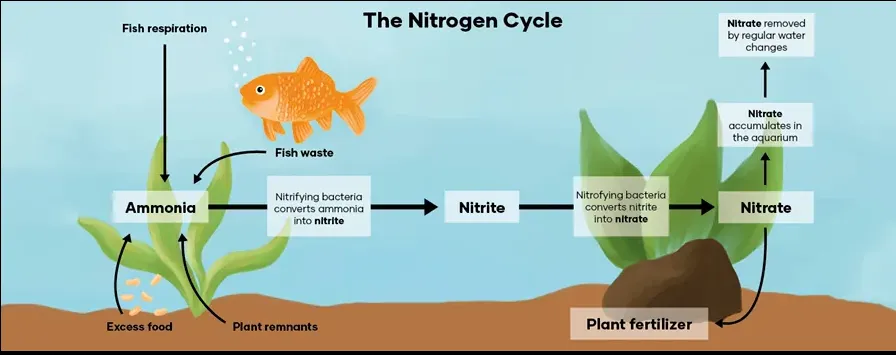
Definition of the nitrogen cycle in simple terms
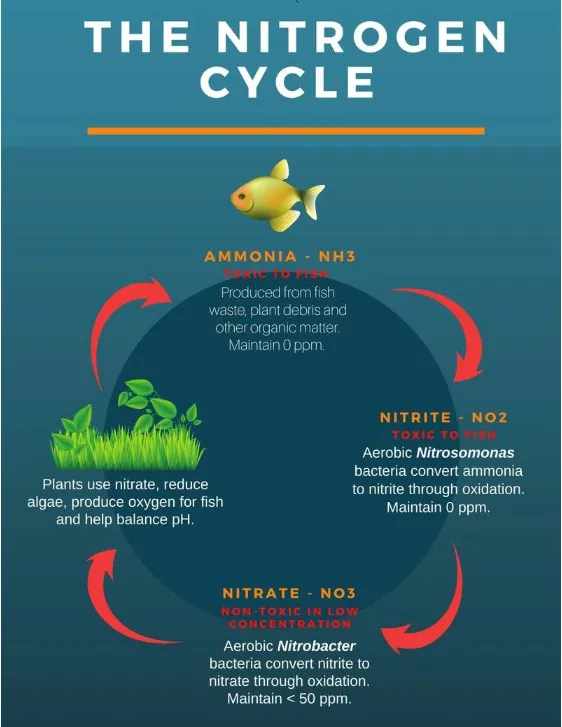
The nitrogen cycle is a biological process where waste breaks down in stages.
- Ammonia forms first from fish waste and uneaten food
- Bacteria convert ammonia into nitrite
- Other bacteria convert nitrite into nitrate
Ammonia and nitrite are toxic. Nitrate is much safer when kept low.
Why betta fish are sensitive to uncycled tanks
Bettas breathe air but still absorb toxins through their gills. They come from slow moving waters with stable chemistry. Sudden ammonia or nitrite spikes cause stress, burns, organ damage, and death.
What happens in an uncycled aquarium
In a new tank, no bacteria exist to process waste. Ammonia builds fast. Even one betta in a small tank can produce lethal levels within 24 to 72 hours.
Why You Must Cycle a Betta Tank Safely Before Adding a Betta
Cycling is not optional. It is basic fish welfare.
Ammonia toxicity and betta health risks
Ammonia damages gills and skin.
- Gasping
- Clamped fins
- Lethargy
- Color loss
At 0.5 ppm, damage begins. At 1.0 ppm, death risk is high.
New tank syndrome explained
New tank syndrome is the period when ammonia and nitrite spike because bacteria populations are still growing. Most beginner betta deaths happen during this phase.
Long term stability and lifespan impact
A cycled tank supports immune health, digestion, and normal behavior. Bettas in stable tanks live three to five years. In unstable tanks, many die within months.
Betta Tank Cycling Methods Overview
There are two ways to cycle a betta tank. One is ideal. One is a last resort.
How to Cycle a Betta Tank Safely Using Fishless Cycling
Fishless cycling grows bacteria without exposing a betta to toxins. You add an ammonia source and let bacteria develop safely. This is the recommended method.
How to Cycle a Betta Tank Safely With Fish-In Cycling
Fish in cycling happens when the betta is already in the tank. It requires strict testing and frequent water changes to prevent poisoning.
Which method is safest and why
Fishless cycling is safest because no fish is exposed to ammonia or nitrite. Fish in cycling carries risk even when done carefully.
Fishless Cycling a Betta Tank
Step by Step System
This method builds a stable biofilter before adding your betta.
Equipment and supplies you need
- Tank of at least five gallons
- Filter with sponge or bio media
- Heater set to stable temperature
- Water conditioner
- Liquid test kit such as API Master Test Kit
- Pure ammonia or fish food
Tank setup before starting the cycle
Fill the tank with dechlorinated water. Install the filter and heater. Set temperature between 78 and 82 F. Run all equipment continuously.
How to add an ammonia source correctly
Add ammonia to reach about 2 ppm. Use pure ammonia with no scents or surfactants. If using fish food, add a small pinch daily and expect slower results.
Daily testing routine and parameter targets
Test ammonia and nitrite every day.
- Ammonia rises first
- Nitrite appears after ammonia starts dropping
- Nitrate appears last
Do not change water unless ammonia exceeds 5 ppm.
How beneficial bacteria establish in filter media
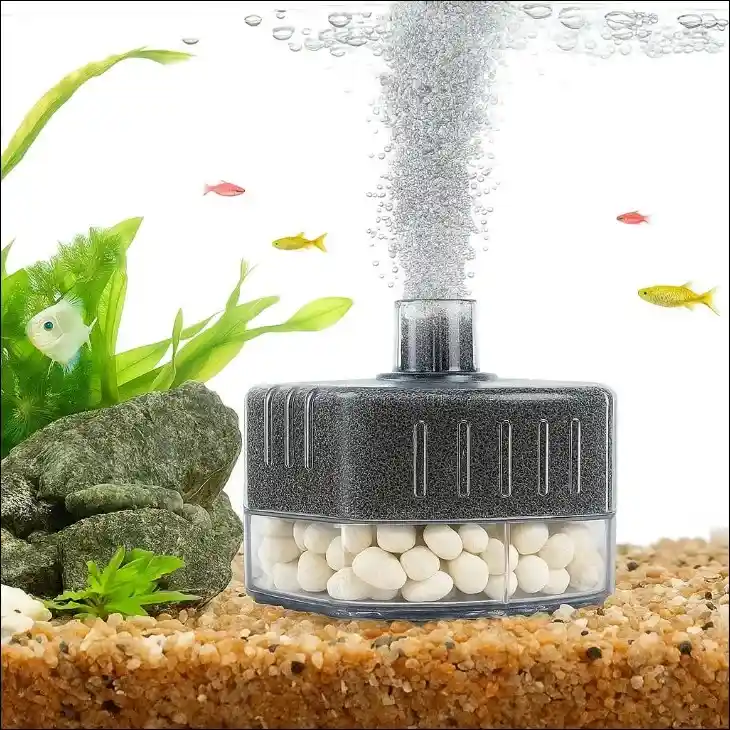
Bacteria colonize surfaces with oxygen flow. Filter sponges and bio rings are the primary habitat. Never replace all media at once.
How to know when the cycle is complete
The tank is cycled when:
- Ammonia drops from 2 ppm to 0 ppm in 24 hours
- Nitrite drops to 0 ppm in 24 hours
- Nitrate is present and rising
Final water change before adding your betta
Perform a large water change of 50 to 70 percent to reduce nitrate. Match temperature and treat new water with conditioner.
Fish In Cycling a Betta Tank
Emergency Safe Method
Use this only if the betta is already in the tank.
When fish in cycling is unavoidable
This often happens after impulse purchases or gifts. The goal is harm reduction.
Daily testing schedule for fish safety
Test ammonia and nitrite every day. In small tanks, test twice daily.
Safe ammonia and nitrite thresholds
- Ammonia below 0.25 ppm
- Nitrite below 0.25 ppm
Any reading above this requires action.
Water change rules to protect the betta
Change 25 to 50 percent of water whenever toxins rise. Always dechlorinate. Products like Seachem Prime can temporarily detoxify ammonia but do not replace water changes.
Feeding control during fish in cycling
Feed very lightly. One or two pellets per day. Less waste means less ammonia.
Signs of stress and immediate action steps
- Gasping at the surface
- Lying on the bottom
- Clamped fins
If seen, perform an immediate water change.
Betta Specific Cycling Requirements
Bettas have unique needs that affect cycling success.
Ideal temperature range for bacteria and bettas
Nitrifying bacteria grow best between 77 and 86 F. Bettas thrive between 78 and 80 F. Keep temperature stable.
Minimum tank size and why it matters
Five gallons or more is strongly recommended. Larger tanks dilute toxins and stabilize parameters. Small tanks spike faster and crash easier.
Filter types best for cycling a betta tank
Sponge filters and gentle hang on back filters work best. Avoid strong currents that stress bettas.
How betta bioload affects cycling speed
Bettas have a low bioload but small tanks amplify waste concentration. Cycling still takes weeks.
Water Parameters That Control the Cycle
Understanding water chemistry improves success.
Ammonia levels explained with ppm examples
- 0 ppm is safe
- 0.25 ppm causes stress
- 1.0 ppm is dangerous
Nitrite spike and what it means
Nitrite prevents oxygen transport in blood. Even low levels are harmful. It often spikes after ammonia drops.
Nitrate role and safe limits for bettas
Nitrate is much safer. Keep below 20 to 40 ppm through water changes.
pH stability and its effect on bacteria
Bacteria slow down below pH 6.5. Sudden drops can stall cycling.
kH and gH basics for cycling success
kH buffers pH stability. Very low kH can cause pH crashes. Moderate hardness supports bacterial growth.
How Long It Takes to Cycle a Betta Tank
Cycling is not instant.
Typical timeline for fishless cycling
Two to four weeks with ammonia dosing. Up to six weeks without seeding.
Typical timeline for fish in cycling
Four to eight weeks depending on water change discipline and tank size.
Factors that speed up or slow down cycling
- Seeded media speeds it up
- Stable heat speeds it up
- Frequent full cleanings slow it down
How to Confirm You Cycle a Betta Tank Safely
Confirmation prevents deadly mistakes.
The 24 hour ammonia processing test
Add ammonia to 2 ppm. Test after 24 hours. If ammonia and nitrite read 0, the biofilter is ready.
Final parameter checklist before adding fish
- Ammonia 0 ppm
- Nitrite 0 ppm
- Nitrate below 20 ppm
- Stable temperature
Common false positives and testing mistakes
- Dirty test tubes cause false readings
- Tap water with chloramine can show ammonia
- Not shaking reagents enough skews results
Cycling With Live Plants and Special Substrates
Plants change how cycling appears.
How plants absorb ammonia and nitrite
Plants prefer ammonia as a nitrogen source. Heavy planting can reduce measurable spikes.
Why planted tanks can hide cycle progress
Tests may show low toxins even before bacteria are established. The biofilter still needs time.
Active substrates and pH changes during cycling
Some substrates lower pH. This can slow bacteria growth and extend cycling time.
Botanicals and tannins impact on cycling
Leaves and wood release tannins. They lower pH slightly and add organics. This is usually safe but should be monitored.
Common Betta Tank Cycling Problems and Fixes
Problems are common and solvable.
Ammonia stuck high
Causes include low pH, cold water, or overdosing ammonia. Reduce ammonia input and verify temperature.
Nitrite spike that will not drop
This is normal. Nitrite bacteria grow slower. Be patient and avoid large disruptions.
Nitrate never appears
This can happen in planted tanks. Use the ammonia processing test to confirm cycling instead.
Cloudy water and bacterial blooms
Cloudiness is common in new tanks. It usually clears on its own. Do not replace filter media.
Cycle crash after water change
Replacing media or washing it under tap water kills bacteria. Always rinse media in tank water.
Tools and Products That Support Proper Cycling
Tools improve accuracy and safety.
Test kits and how to use them correctly
Liquid kits are more accurate than strips. Follow instructions exactly. Read colors in natural light.
Water conditioners and chloramine removal
Always dechlorinate. Chlorine and chloramine kill beneficial bacteria.
Bottled bacteria. What works and what does not
Some products help when used correctly. They are not instant cycles. They supplement but do not replace time.
Using seeded filter media safely
Media from an established tank can cut cycling time dramatically. Keep it wet and oxygenated during transfer.
What to Do After the Cycle Is Complete
Cycling is the foundation, not the end.
First week care after adding your betta
Feed lightly. Test water every other day. Watch behavior closely.
Filter maintenance without killing bacteria
Clean sponges gently in tank water. Never replace all media at once.
Long term water change schedule for stability
Change 20 to 30 percent weekly. This keeps nitrate low and maintains stability.
Cycle a Betta Tank FAQS
Q. What does cycling a betta tank mean
A. Cycling a betta tank means growing beneficial bacteria that convert toxic ammonia into nitrite and then into nitrate. This biological process makes the water safe for a betta to live in long term.
Q. What is the nitrogen cycle in a betta aquarium
A. The nitrogen cycle is the process where fish waste produces ammonia, bacteria convert ammonia into nitrite, and other bacteria convert nitrite into nitrate. Nitrate is removed through water changes.
Q. Why is cycling required for betta fish
A. Bettas are sensitive to ammonia and nitrite. Without cycling, these toxins build up quickly and cause stress, illness, and death.
Q. Can a betta survive in an uncycled tank
A. A betta may survive temporarily, but damage begins immediately. Long term survival without cycling is unlikely and often fatal.
Q. How do I know if my betta tank is uncycled
A. If ammonia or nitrite test above zero, the tank is uncycled or unstable.
Q. Is cycling only for large betta tanks
A. No. Smaller tanks need cycling even more because toxins build faster in low water volume.
Q. How do you cycle a betta tank step by step
A. Set up the tank, add dechlorinated water, run filter and heater, add an ammonia source, test daily, wait for ammonia and nitrite to reach zero within 24 hours, then perform a large water change.
Q. How long does it take to cycle a betta tank
A. Most betta tanks cycle in two to six weeks depending on method, temperature, and whether seeded media is used.
Q. What is fishless cycling for a betta tank
A. Fishless cycling grows bacteria using an ammonia source without exposing a betta to toxins. It is the safest method.
Q. What is fish in cycling for a betta tank
A. Fish in cycling means cycling while the betta is already in the tank. It requires daily testing and frequent water changes to prevent poisoning.
Q. Can you cycle a betta tank without ammonia
A. Cycling without ammonia is possible using fish food or seeded media, but it is slower and less predictable.
Q. How often should I test water during cycling
A. Test ammonia and nitrite daily during cycling. In fish in cycling, test once or twice per day.
Q. When should I do water changes during cycling
A. In fishless cycling, avoid water changes unless ammonia exceeds 5 ppm. In fish in cycling, change water whenever ammonia or nitrite rises above 0.25 ppm.
Q. What are the benefits of cycling a betta tank
A. Cycling prevents toxic spikes, improves betta health, reduces disease risk, and creates long term stability.
Q. What happens if I skip cycling a betta tank
A. Skipping cycling causes ammonia burns, stress, suppressed immunity, and often death within weeks.
Q. Is fish in cycling dangerous for bettas
A. Yes. Fish in cycling carries risk even when done carefully. It should only be used when fishless cycling is not possible.
Q. Can bottled bacteria instantly cycle a betta tank
A. No. Bottled bacteria may help speed the process but cannot instantly complete a cycle.
Q. Does cycling fail sometimes
A. Yes. Cycling can stall due to low temperature, low pH, chlorine exposure, or lack of ammonia.
Q. How much does it cost to cycle a betta tank
A. Basic cycling supplies usually cost less than the price of replacing a lost fish and include a test kit, conditioner, and filter.
Q. Are test kits necessary for cycling
A. Yes. Without a test kit, you cannot confirm ammonia, nitrite, or nitrate levels accurately.
Q. Are cheap test strips reliable for cycling
A. Test strips are less accurate. Liquid test kits provide more reliable results for cycling.
Q. Do I need expensive equipment to cycle a betta tank
A. No. A simple filter, heater, and test kit are sufficient.
Q. Fishless cycling vs fish in cycling for bettas. Which is better
A. Fishless cycling is safer, more controlled, and strongly recommended.
Q. Can plants replace cycling in a betta tank
A. Plants help absorb ammonia but do not replace the need for a stable bacterial colony.
Q. Can I use seeded media instead of cycling
A. Seeded media speeds up cycling but still requires monitoring and confirmation.
Q. Is cycling different for betta tanks than community tanks
A. The process is the same, but betta tanks require gentler flow and stable warm temperatures.
Q. What ammonia level should I use for fishless cycling
A. Around 2 ppm is ideal for most betta tank cycles.
Q. Why is my ammonia zero but nitrite high
A. This means ammonia bacteria are established but nitrite bacteria are still developing.
Q. Why is nitrate not showing during cycling
A. Heavy planting or frequent water changes can remove nitrate before it accumulates.
Q. Can pH affect cycling speed
A. Yes. Low pH slows bacteria growth and can stall cycling.
Q. Can a cycle crash after it is complete
A. Yes. Replacing filter media or exposing it to untreated tap water can kill bacteria.
Q. Are modern betta tanks easier to cycle than before
A. Yes. Better filters, heaters, and test kits make cycling more predictable and safer.
Q. How is AI changing aquarium care advice
A. AI search tools now prioritize clear step based guidance, measurable thresholds, and safety focused content.
Q. Will future betta care standards still require cycling
A. Yes. Biological filtration is fundamental and cannot be replaced by shortcuts.
Q. Is cycling considered an ethical requirement in modern fish keeping
A. Yes. Cycling is now viewed as a basic animal welfare practice.
Q. What mistakes do beginners still make despite better information
A. Skipping testing, trusting instant cycle claims, and underestimating ammonia toxicity.