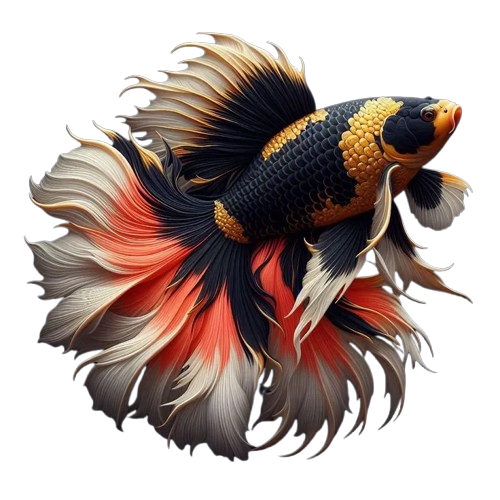
Betta fish, also known as Betta splendens or Siamese fighting fish, show clear sexual differences once you know what to look for. Correctly identifying male vs female bettas helps you prevent aggression, plan housing, and avoid costly mistakes in care or breeding. This guide explains how to tell the difference using reliable physical traits, behavior, and a step by step method that works even in difficult cases.
What Is the Difference Between Male and Female Betta Fish
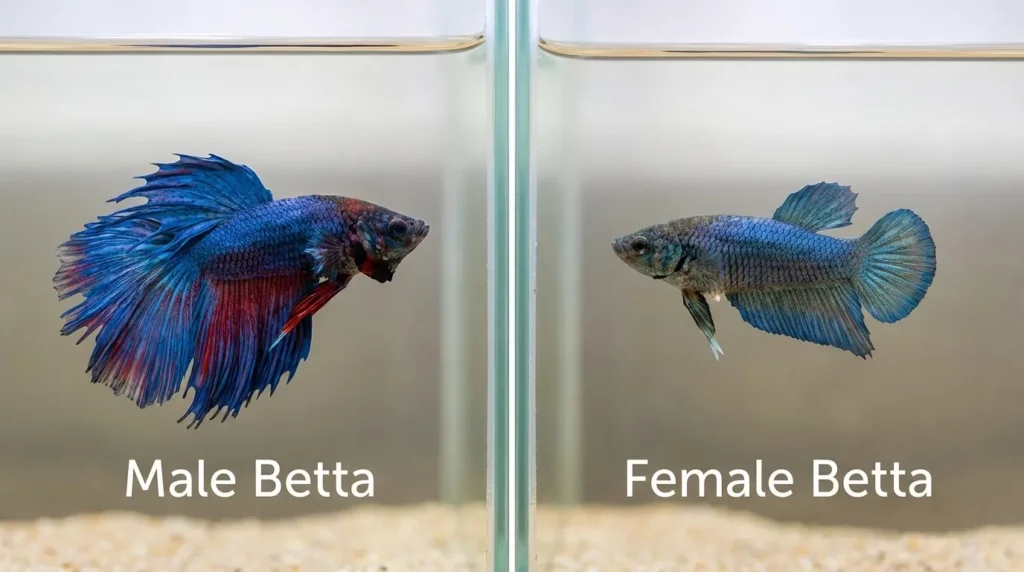
Male and female bettas differ in anatomy, behavior, and reproductive roles. These differences are called sexual dimorphism. Some traits are strong indicators. Others are weak and easily misread. Accurate sexing requires combining multiple signals instead of relying on one feature.
Definition of Male Betta Fish
A male betta fish is a sexually mature Betta splendens that produces sperm and builds bubble nests during breeding cycles. Males typically show longer fins, larger beards, and higher territorial aggression. Most pet store bettas sold in cups are males.
Definition of Female Betta Fish
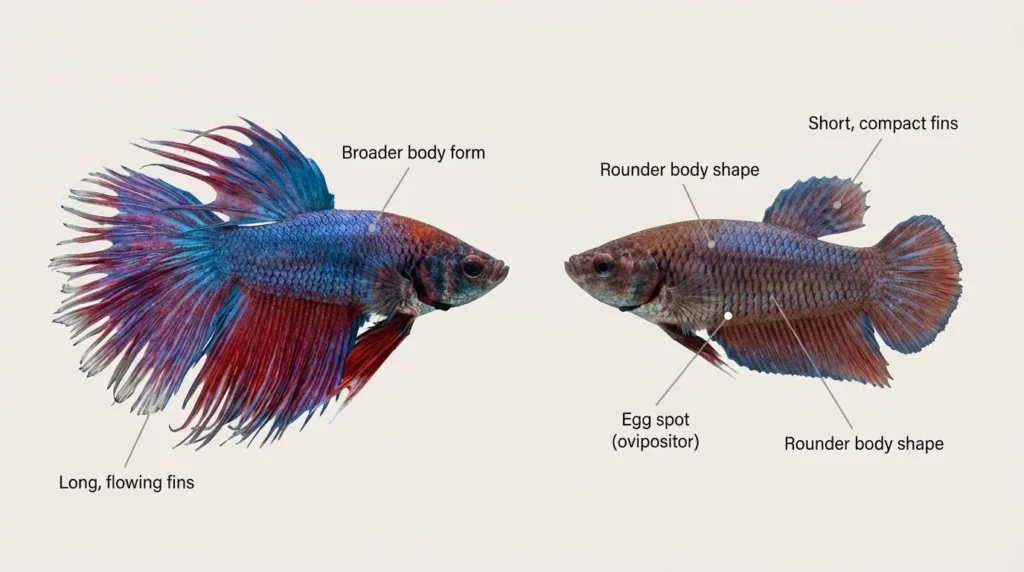
A female betta fish produces eggs and displays breeding bars when ready to spawn. Females usually have shorter fins, rounder bodies, and a visible egg spot called the ovipositor. Females are often misidentified due to color overlap and short fin varieties.
Why Betta Sex Identification Matters for Care and Compatibility
Sex affects nearly every care decision you make.
- Housing: Adult males usually require solo tanks. Females may live in groups under strict conditions.
- Aggression risk: Males fight other males. Females can still be aggressive, especially in small tanks.
- Breeding safety: Incorrect sexing can lead to injury or death during attempted breeding.
- Tank mates: Community compatibility changes based on sex and temperament.
Quick Identification Checklist for Male vs Female Bettas
Use this section if you need a fast answer. Do not stop here if traits conflict.
Fast Visual Traits You Can Check in Under One Minute
- Long flowing fins usually indicate male.
- Short compact fins suggest female, except in plakat males.
- A small white dot between ventral fins suggests female.
- A large beard visible even when relaxed suggests male.
- Vertical light and dark bars suggest a breeding female.
Traits You Should Not Rely on Alone
- Color intensity. Females can be bright. Males can be dull.
- Aggression. Some females are highly aggressive.
- Bubble nests. Rare females build nests. Males may stop nesting due to stress.
How to Use Multiple Traits Together for Accuracy
You should confirm sex only when at least two strong traits align. If signals conflict, age and fin type usually explain the discrepancy.
Physical Differences Between Male and Female Betta Fish
Physical traits provide the most reliable evidence when evaluated correctly.
Fin Length, Shape, and Tail Type Variations
Males usually have longer dorsal, anal, and caudal fins. Females have shorter, rounder fins.
Common tail types include:
- Veiltail
- Halfmoon
- Crowntail
- Double tail
- Plakat
Plakat vs Long Fin Varieties and Sexing Risks
Plakat males have short fins similar to females. In these cases, fin length alone fails. You must rely on egg spot presence, beard size, and body shape.
Body Shape and Size Differences
Females often have a wider abdomen, especially when carrying eggs. Males appear slimmer and more torpedo shaped. Size alone is unreliable since genetics and diet influence growth.
Color Intensity and Pattern Reliability
Color is a weak indicator. Selective breeding has produced females as vibrant as males. Stress, age, and health also affect color expression.
Egg Spot, Ovipositor Location, and Visibility
The egg spot is a small white or cream dot located between the ventral fins and the anal fin.
Key points:
- Strong indicator of female when clearly visible.
- Not always visible in juveniles or stressed fish.
- Rare false egg spots exist in males but lack surrounding anatomy.
Beard Size and Opercular Membrane Differences
The beard is a dark membrane under the gill covers. Males have larger beards that extend beyond the gill plate when flaring. Females have smaller beards that are often hidden.
Behavioral Differences Between Male and Female Bettas
Behavior supports physical traits but should never be used alone.
Aggression and Territorial Behavior
Males display intense territorial aggression toward other males. Females show variable aggression depending on hierarchy, space, and temperament.
Flaring Behavior and What It Reveals
Flaring exposes the beard and gill covers.
- Large dramatic flares suggest male.
- Smaller restrained flares suggest female.
Use a mirror briefly to observe flaring without causing stress.
Bubble Nest Building Explained
Males build bubble nests as part of breeding behavior. Presence of a nest increases confidence but does not guarantee male sex. Environmental conditions strongly influence nesting.
Breeding Bars vs Stress Stripes
Female breeding bars run vertically along the body. Stress stripes run horizontally and can appear in both sexes. Orientation matters more than color.
Side by Side Comparison of Male vs Female Betta Traits
High Confidence Traits
- Egg spot present equals female.
- Large beard equals male.
- Vertical breeding bars equal female readiness.
Medium Confidence Traits
- Fin length.
- Body shape.
- Flaring intensity.
Low Confidence Traits and Common Misreads
- Color brightness.
- Bubble nests.
- Aggression level.
Step by Step Method to Determine Betta Fish Sex
This method resolves most ambiguous cases.
Step One. Confirm Age and Maturity Window
Sexing is unreliable before 8 weeks. Accuracy improves significantly after 3 to 4 months.
Step Two. Examine Egg Spot and Vent Area
Use bright light and side viewing. Confirm location and size. Ignore tiny random dots elsewhere.
Step Three. Observe Stripes and Color Changes
Watch over several days. Identify vertical versus horizontal patterns.
Step Four. Trigger and Assess Flaring Response
Use a mirror for under 30 seconds. Observe beard size and gill extension.
Step Five. Account for Betta Type and Genetics
Short fin types require heavier weighting on non fin traits.
Step Six. Resolve Conflicting Signals
If two strong traits conflict, delay judgment. Continue observation for growth and behavior changes.
Identifying the Sex of Juvenile Betta Fish
Why Juveniles Are Difficult to Sex
Young bettas lack developed fins, beards, and reproductive anatomy. Hormonal cues are incomplete.
Age Based Timeline of Trait Development
- 6 to 8 weeks: Minimal visible differences.
- 10 to 12 weeks: Early fin and body divergence.
- 4 to 6 months: Most traits become reliable.
What You Can and Cannot Reliably Identify Early
You can track fin growth trends. You cannot rely on egg spots or aggression.
How to Track Changes Over Time
Take weekly photos from the same angle. Compare fin extension and body shape progression.
Common Edge Cases and Misidentifications
Short Fin Males Mistaken for Females
Plakat males account for many errors. Beard size and behavior usually resolve confusion.
Females With Aggressive or Male Like Behavior
Aggression reflects personality and environment, not sex alone.
Rare Egg Spot Confusion in Males
False egg spots lack proper placement and surrounding anatomy. Confirm with multiple traits.
Color Morphs That Distort Visual Cues
Certain color lines obscure stripes and egg spots. Lighting and stress levels affect visibility.
Betta Fish Sex and Care Implications
Housing Rules for Male Bettas
Most adult males require solitary tanks of at least 5 gallons with visual barriers.
Female Betta Sorority Requirements and Risks
Sororities require:
- Five or more females.
- Large tanks.
- Heavy planting.
Failure rates are high even when done correctly.
Tank Mates and Community Compatibility
Sex influences tolerance for tank mates. Males are more prone to territorial disputes.
Breeding Considerations and When Not to Breed
Incorrect sexing leads to injury. Breeding should only occur with confirmed pairs and experience.
Key Betta Fish Anatomy and Terminology
Fin Types and Names
- Dorsal fin.
- Anal fin.
- Caudal fin.
- Ventral fins.
Gill Covers, Beard, and Operculum
The operculum protects gills. The beard is an extension used in displays.
Reproductive Anatomy and Indicators
The ovipositor releases eggs. Breeding bars indicate hormonal readiness.
How Accurate Betta Sexing Improves Fish Health and Welfare
Correct identification reduces stress, prevents injury, and supports ethical fishkeeping. Accurate sexing is not cosmetic. It is a core husbandry skill that protects your betta’s health and lifespan.
FAQs
What is the main difference between male and female betta fish
Male bettas usually have longer fins, larger beards, and higher territorial aggression. Female bettas typically have shorter fins, rounder bodies, and a visible egg spot used for egg release.
What does male vs female bettas mean in aquarium care
It refers to identifying betta sex to make correct decisions about housing, tank mates, aggression management, and breeding safety.
Are male and female bettas the same species
Yes. Both are Betta splendens. Sex differences are based on anatomy and behavior, not species.
Why are male bettas more common in pet stores
Males have longer fins and brighter displays, which sell better. Females are often sold in groups or labeled incorrectly.
How can you tell if a betta is male or female at home
You check multiple traits such as fin length, egg spot presence, beard size, stripe orientation, and behavior over several days.
What is the fastest way to tell male vs female bettas
Look for an egg spot and compare beard size during flaring. These are the strongest quick indicators.
How do you identify a female betta egg spot
It appears as a small white dot between the ventral fins and anal fin. It stays visible even when the fish is calm.
How do you safely make a betta flare for identification
Briefly show a mirror for under 30 seconds. Observe beard size and gill extension, then remove the mirror.
At what age can you reliably tell male vs female bettas
Sexing becomes more reliable after 3 to 4 months. Juveniles under 8 weeks are difficult to identify accurately.
Why is correct betta sex identification important
It prevents fighting, reduces stress, avoids breeding injuries, and improves long term health and lifespan.
What happens if two male bettas are kept together
They usually fight, causing torn fins, infections, and sometimes death.
Are female bettas always safe to keep together
No. Female sororities carry risk and require large tanks, careful monitoring, and proper setup.
Can misidentifying betta sex cause health problems
Yes. Incorrect housing can lead to chronic stress, suppressed immunity, and physical injury.
What traits are unreliable for sexing bettas
Color brightness, aggression level, and bubble nest presence are weak indicators when used alone.
Are female bettas cheaper than male bettas
Females are often slightly cheaper, but pricing varies by breeder, color morph, and rarity.
Do male and female bettas require different tank costs
Male bettas usually need solo tanks. Female sororities require larger tanks and more equipment, which increases cost.
Does betta sex affect long term care expenses
Yes. Aggression related injuries and failed sororities can increase treatment and replacement costs.
Male vs female bettas, which is better for beginners
A single male betta is often easier for beginners due to simpler housing and predictable behavior.
Male vs female bettas in community tanks, which works better
Females may adapt better in large community tanks, but individual temperament matters more than sex.
Male vs female bettas, which is more aggressive
Males are generally more territorial, but some females can be equally aggressive.
Are short fin male bettas the same as females
No. Plakat males have short fins but still show male traits like large beards and mating behavior.
Can male bettas have egg spots
Rare false egg spots exist, but they lack correct placement and supporting anatomy. Multiple traits must be checked.
Can female bettas build bubble nests
Yes, but it is uncommon. Bubble nests alone do not confirm male sex.
How does betta genetics affect sex identification
Selective breeding alters fin length, color, and body shape, which can mask typical sex traits.
Do hormones affect visible differences in bettas
Yes. Stress, age, and breeding condition influence color, stripes, and behavior.
What anatomical features confirm betta sex with highest confidence
Egg spot presence, beard size, and breeding bars offer the highest reliability when combined.
How is AI improving betta fish sex identification
AI image analysis tools can compare anatomy patterns and reduce misidentification in breeders and retailers.
Will future breeding reduce differences between male and female bettas
Selective breeding may continue to blur visual differences, making multi trait identification more important.
Are digital tools replacing manual betta sexing
They assist but do not replace observation. Human judgment remains essential for edge cases.
How does accurate betta sexing support ethical fishkeeping
It reduces unnecessary deaths, improves welfare, and supports responsible breeding practices.
Is betta sex identification becoming more important in modern aquariums
Yes. Increased awareness of fish welfare and aggression management makes accurate identification essential.
Pingback: Betta Tank Size Guide: 5–20 Gallons Explained for Bettas
Pingback: Is 2.5 Gallons Enough for a Betta? 25 Critical Facts You Must Know
Pingback: Signs of Stress in Betta Fish: 12 Warning Signals
Pingback: Is 5 Gallons Best for Bettas? 7 Critical Facts You Must Know