If you’ve kept bettas long enough, you’ve probably noticed something simple: they react differently to live food.
The posture changes. The eyes track movement. The strike is faster.
That instinctive reaction is not random. It reflects how Betta splendens evolved, as an insect-hunting carnivore in shallow Southeast Asian waters.
But enthusiasm alone doesn’t mean you should dump worms into a tank.
Live feeding works, when it’s structured.
This guide explains what actually works, what causes problems, and how experienced aquarists integrate live food into a stable, long-term system.
Why Live Food Changes Betta Behavior
In the wild, bettas feed on:
- Mosquito larvae
- Tiny crustaceans
- Aquatic insects
- Zooplankton
They are ambush predators. Still water. Sudden strike.
Pellets meet nutritional needs. Live food triggers neurological stimulation.
That stimulation affects:
- Muscle tone
- Fin posture
- Hunting response
- Breeding readiness
Experienced breeders often describe a noticeable increase in activity within minutes of introducing live prey.
That behavioral shift matters more than most beginner guides mention.
Nutritional Reality: Protein Is Not the Whole Story
You will often see “40–55% protein” referenced as the ideal range.
That’s accurate.
But numbers alone don’t define quality.
Live foods differ from pellets in three major ways:
- Amino acids remain intact.
- Natural fats are less oxidized.
- Moisture content improves digestion.
For example, baby brine shrimp (Artemia salina) contain carotenoid pigments (mainly canthaxanthin) that can support red colour. Over several weeks, this translates to visibly deeper coloration.
The effect is subtle. Gradual. Real.
For the everyday staple, see our guide to the best betta fish food.
The Best Live Foods for Bettas (Ranked by Use Case)
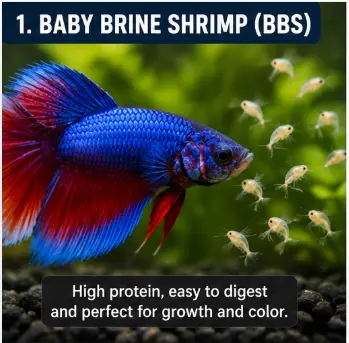
Baby Brine Shrimp (BBS)
If you ask experienced breeders for one universal recommendation, this is it.
Newly hatched BBS provides:
- High protein (roughly half of their dry weight)
- Natural fats and carotenoid pigments
- High digestibility
- Strong movement stimulus
Juveniles respond especially well. Growth rates improve when BBS is fed in rotation.
Important detail: feed baby brine shrimp within a few hours of hatching. Newly hatched shrimp live off their yolk and use much of it within about a day, so a fresh hatch is worth more.
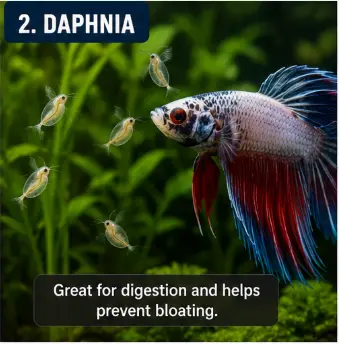
Daphnia (Daphnia magna)
Daphnia is rarely flashy. It doesn’t create the dramatic feeding response of worms.
But it quietly solves one of the most common betta problems: bloating.
Daphnia’s hard outer shell adds roughage. Many keepers offer a daphnia day when a betta looks slightly bloated or constipated. It is a gentle food, not a cure for dropsy or swim bladder disease.
That makes daphnia strategically valuable, not just nutritionally useful.
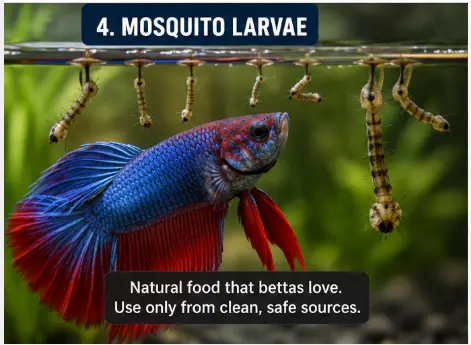
Mosquito Larvae (Family Culicidae)
This is what wild bettas eat.
They trigger intense feeding behavior and are protein-dense.
But wild collection is risky. Pesticide exposure and parasites are real concerns.
Controlled sources only.
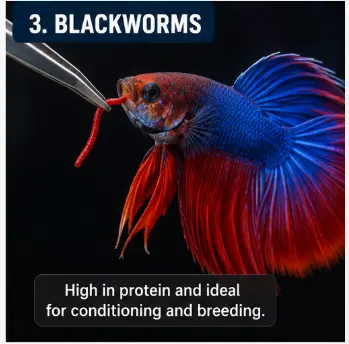
Blackworms (Lumbriculus variegatus) and Tubifex
Highly effective during conditioning phases.
But also the most misused.
Blackworms are dense. Rich. Easy to overfeed.
If rinsing is inadequate, bacterial contamination rises quickly.
These are advanced-use foods, not beginner staples.
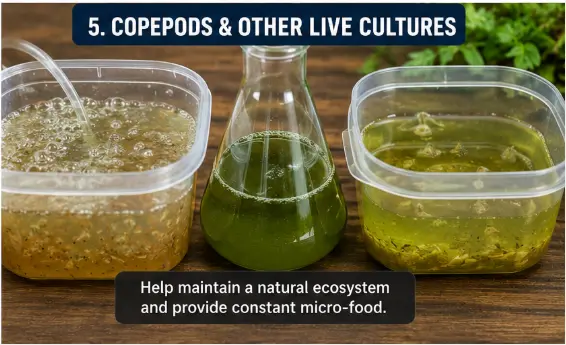
Copepods (Copepoda)
In planted systems, copepods create a semi-natural feeding cycle.
Fry benefit most. Adults treat them as opportunistic snacks.
They are not a primary protein source but enhance diversity.
Live Food for Betta Fish: Comparison Chart
| Live food | Best for | How often (adult) | Main risk | Where to get it |
|---|---|---|---|---|
| Baby brine shrimp | Juveniles, fry, colour | 2–3 times a week (daily for juveniles) | Salt carried over; rinse first | Hatch at home from eggs |
| Daphnia | Bloating, constipation, variety | Once a week | Low | Cultures or fish stores |
| Mosquito larvae | Strong hunting response | 1–2 times a week | Parasites or pesticides if wild-caught | Clean cultures, not ponds |
| Blackworms | Conditioning breeding pairs | 1–2 times a week at most | Overfeeding; fouled water | Fish stores; rinse well |
| Copepods | Fry and planted tanks | Occasional | Low | Cultures or planted tanks |
How Often Should You Feed Live Food?
There is no universal schedule.
But structure matters more than enthusiasm.
For adult bettas:
- Pellets remain the nutritional anchor.
- Live food 2–3 times weekly is sufficient.
- An optional fasting day each week can help healthy adults.
For juveniles:
- Smaller, more frequent feedings.
- BBS primary.
- Daphnia rotation.
For conditioning:
- Temporary protein increase (7–14 days).
- Controlled portions only.
Long-term daily worm feeding creates imbalance.
Live food counts toward the daily total, so feed fewer pellets on live-food days; see how many pellets to feed a betta.
Hatching Baby Brine Shrimp Without Guesswork
Basic method:
- 1 liter container
- 25–30g marine salt
- Constant aeration
- 26–28°C temperature
- 18–24 hour hatch time
Harvest:
- Stop aeration.
- Shine light at base.
- Siphon concentrated nauplii.
- Rinse in freshwater before feeding.
Skipping the rinse introduces saltwater stress.
That detail is often ignored.
Culturing Daphnia Successfully
The mistake most people make is over-harvesting.
Setup:
- 5–10 gallon container
- Dechlorinated water
- Mild aeration
- Indirect light
Feed lightly. Yeast overuse collapses cultures.
Harvest no more than 30% at a time.
Stable cultures outperform purchased batches long-term.
Live Food Risks Most Guides Downplay
Parasites are possible. So is bacterial transfer.
Prevention steps:
- Rinse every batch.
- Avoid foul-smelling stock.
- Refrigerate worms properly.
- Never use polluted wild sources.
Water quality monitoring becomes more critical when feeding high-protein live foods.
Ammonia spikes happen faster than many hobbyists expect.
If your betta grabs live food and spits it out, the piece may be too big; see why bettas spit out food.
Preventing Bloat and Digestive Issues
The pattern is consistent:
High-protein worm + no rotation + no fasting day = swelling.
Preventative structure:
- Portion control (1–2 minute rule)
- Weekly daphnia feeding
- Scheduled fasting day
- Observation before feeding again
Experienced keepers feed less than beginners expect.
Uneaten worms rot quickly, so remove leftovers within a few minutes. If ammonia rises, follow how to lower ammonia in a betta tank.
Cost and Time Considerations
Live feeding demands:
- Time
- Equipment
- Monitoring
However, home-cultured brine shrimp and daphnia significantly reduce recurring cost.
For breeders, it becomes essential.
For casual hobbyists, strategic use is enough.
Advanced Rotation Strategy
Example weekly model:
- Monday – Pellets
- Tuesday – BBS
- Wednesday – Pellets
- Thursday – Daphnia
- Friday – Pellets
- Saturday – Mosquito larvae
- Sunday – Fast
This structure prevents overload and maintains stimulation.
Faqs for Best Live Foods for Bettas
What live food can I feed my betta?
Baby brine shrimp, daphnia, mosquito larvae, and blackworms are the most effective. BBS is the safest universal choice.
Can live food improve betta coloration?
Yes. Carotenoids in brine shrimp enhance pigmentation over time.
Is frozen food safer than live food?
Yes. Freezing reduces parasite risk.
How often should I feed live food?
Two to three times per week for adults is sufficient.
Which live food helps prevent constipation?
Daphnia provides digestive support.
Can live food cause parasites?
Yes, if improperly sourced or unrinsed.
Is culturing live food worth it?
For breeders and advanced hobbyists, absolutely.
Can I feed blackworms daily?
Not recommended. High protein and contamination risk make them rotational foods only.
How much live food is too much?
If the abdomen swells or buoyancy changes occur, reduce immediately.
Do bettas need live food to thrive?
No. But when used correctly, it improves vitality and conditioning.
Can I feed my betta live food from a pond or puddle?
It is risky. Wild mosquito larvae and daphnia can carry parasites, and pond water may hold pesticides. Use cultured live food, or start your own culture with clean dechlorinated water.
Can bettas eat live bloodworms?
Yes, as an occasional treat. Bloodworms are midge larvae and are rich, so feed one or two at a time once or twice a week and do not make them a staple.