Short Definition of the Answer
Yes. Most betta tanks need a heater to keep water warm and stable. Bettas are tropical fish. They thrive when water stays consistently warm.
Ideal Temperature Range in Numbers
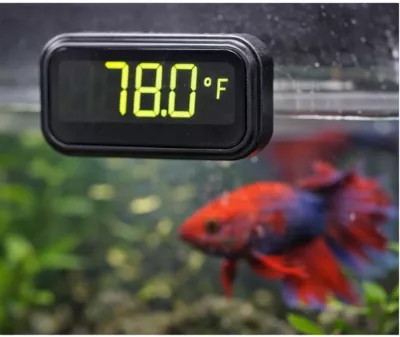
- Target range: 78 to 80 degrees Fahrenheit
- Acceptable range: 76 to 82 degrees
- Daily swing limit: 1 to 2 degrees
Why Stability Matters More Than the Exact Number
Bettas handle a steady 77 better than water that jumps from 74 to 80. Sudden changes stress the immune system and slow digestion.
Betta Fish Biology and Temperature Needs
Natural Habitat and Tropical Origin
Betta fish come from warm, shallow waters in Thailand, Cambodia, and Malaysia. These waters stay warm year round. Temperatures rarely drop below the mid 70s.
How Metabolism and Immunity Depend on Warm Water
Betta metabolism increases in warm water. Enzymes work efficiently. Immune response improves. Cold water slows digestion and weakens disease resistance.
What Happens When Water Is Too Cold or Unstable
Common outcomes include
- Lethargy and clamped fins
- Loss of appetite
- Constipation and bloating
- Higher risk of fin rot and ich
- Shortened lifespan
Ideal Water Temperature for Betta Fish
Safe Daily Temperature Range
Aim for 78 to 80 degrees. This supports activity, appetite, and coloration.
Maximum Acceptable Daily Temperature Swing
Keep changes under 2 degrees in 24 hours. Larger swings trigger stress responses.
Cold Stress Versus Heat Stress Signs
Cold stress signs
- Inactivity
- Pale color
- Hiding at the bottom
Heat stress signs
- Rapid gill movement
- Restlessness
- Gasping near the surface
Do You Need a Heater in Your Specific Situation
Room Temperature Assessment
If your room stays below 76 degrees at any time, you need a heater. Many homes drop at night even in warm climates.
Seasonal Changes and Night Time Drops
Winter nights and air conditioning cause rapid heat loss. Tanks cool faster than rooms.
Tank Size Impact on Heat Loss
Smaller tanks lose heat faster. A 2.5 gallon tank can drop several degrees overnight. A 10 gallon tank is more stable but still benefits from a heater.
Drafts, Air Conditioning, and Window Exposure
Tanks near windows, doors, or vents experience constant fluctuations. Heaters counter these changes.
Heaters Explained in Simple Terms
What an Aquarium Heater Does
A heater warms water to a set temperature and maintains it by cycling on and off.
Difference Between Heater, Thermostat, and Thermometer
- Heater: Produces heat
- Thermostat: Controls when the heater turns on or off. Often built into the heater
- Thermometer: Measures actual water temperature. Always required
Why a Heater Dial Alone Is Not Enough
Built in dials are approximate. External measurement confirms accuracy and prevents overheating.
Choosing the Right Heater for a Betta Tank
Heater Wattage Rules With Clear Examples
Use 5 watts per gallon as a baseline.
Examples
- 5 gallon tank: 25 watt heater
- 10 gallon tank: 50 watt heater
Heater Sizing by Tank Volume
Oversized heaters risk overheating. Undersized heaters struggle to maintain temperature. Match wattage closely to tank size.
Special Considerations for Nano Tanks
Nano tanks under 5 gallons need precision. Use low watt heaters designed for small volumes. Monitor temperature daily.
When Upgrading Tank Size Solves Heating Problems
A 5 to 10 gallon tank holds heat better. Stability improves. Heater performance becomes more predictable.
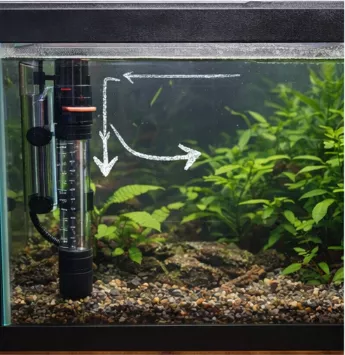
Types of Aquarium Heaters
Preset Heaters and Their Limits
Preset heaters hold a fixed temperature. They suit beginners but lack fine control.
Adjustable Heaters and Control Accuracy
Adjustable heaters allow precise tuning. They suit most betta setups when paired with a thermometer.
Inline and External Heaters
Inline heaters connect to external filtration systems. They provide even heating but cost more.
Heater Guards and Safety Features
Guards prevent burns and cracks. Automatic shutoff reduces fire risk.
Thermometer and Temperature Control Setup
Best Thermometer Types for Betta Tanks
Digital probe thermometers offer the best accuracy. Glass thermometers work if placed correctly.
Correct Thermometer Placement
Place away from the heater. This shows true average temperature.
Calibrating Readings for Accuracy
Check readings after 24 hours. Compare with a second thermometer if possible.
Using External Temperature Controllers for Redundancy
Controllers cut power if temperatures exceed limits. They add a safety layer for valuable fish.
Proper Heater Placement Inside the Tank
Placement Near Filter Flow
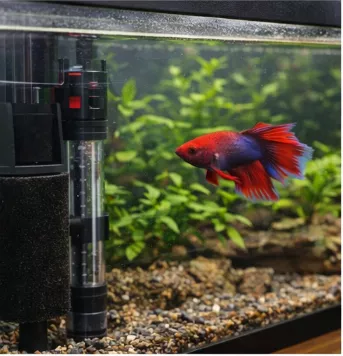
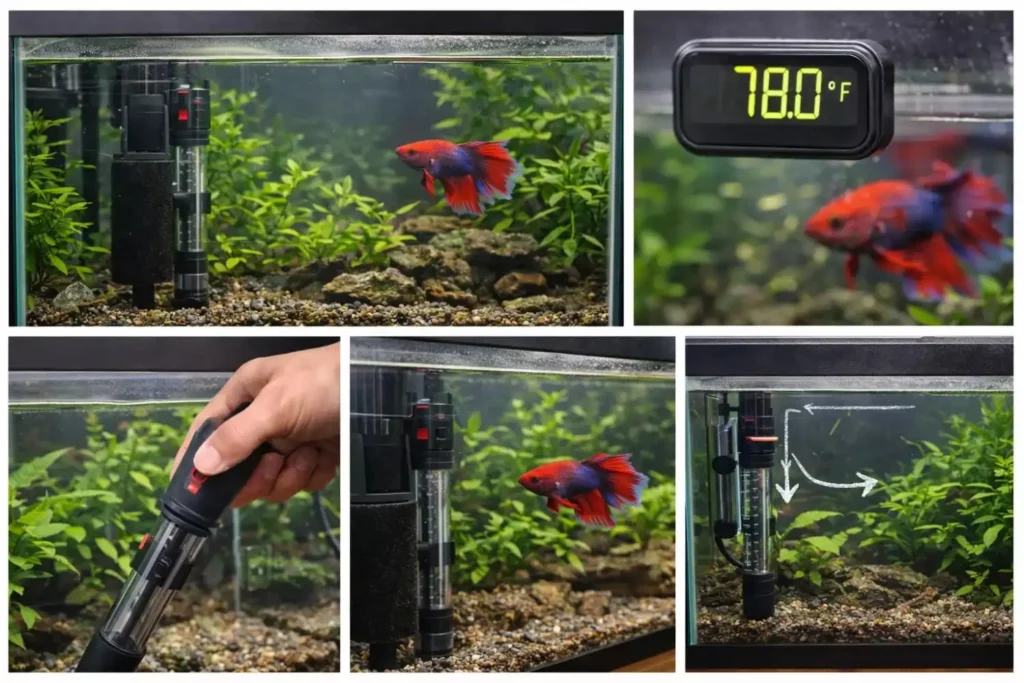
Position the heater near water movement. Flow distributes heat evenly.
Avoiding Hot Spots and Cold Zones
Do not place heaters in stagnant corners. Uneven heat stresses fish.
Placement Guidance by Filter Type
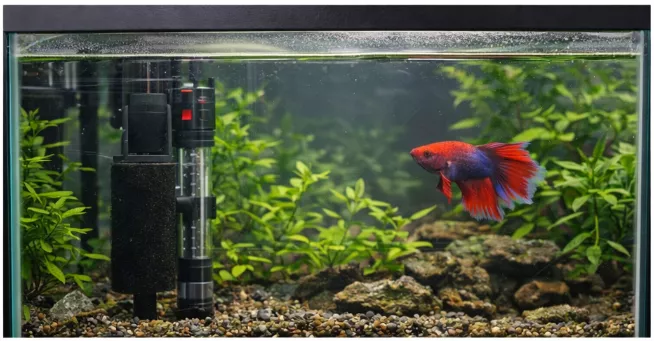
- Sponge filter: Place heater opposite the sponge
- Hang on back filter: Place heater near the intake
- Internal filter: Place heater beside the filter output
Monitoring and Maintaining Stable Temperature
Daily and Weekly Temperature Checks
Check daily during the first week. After stabilization, check several times per week.
How to Log and Spot Temperature Trends
Track morning and evening readings. Look for patterns tied to room changes.
Adjusting Heater Settings Safely
Change settings in small increments. Wait several hours before rechecking.
Common Heating Mistakes Betta Owners Make
Relying on Room Temperature
Room temperature does not equal water temperature. Water cools faster.
Using Bowls or Unheated Small Tanks
Bowls lack thermal mass. Temperature swings become extreme.
Overheating Due to Faulty Heaters
Stuck heaters can cook a tank. Always use a thermometer.
Ignoring Thermometer Readings
Visual behavior often appears after damage begins. Numbers warn earlier.
Troubleshooting Temperature Problems
Tank Water Is Too Cold
Check heater wattage. Confirm placement. Insulate the tank sides if needed.
Tank Water Is Too Hot
Lower heater setting. Improve circulation. Use a controller if overheating repeats.
Temperature Swings During the Day
Identify drafts or light exposure. Move the tank if needed.
Heater Stops Working or Overheats
Replace immediately. Do not attempt repairs. Keep a spare heater on hand.
Emergency Scenarios and Prevention Planning
Power Outages and Heat Retention
Larger tanks hold heat longer. Insulate with towels during outages.
Safe Reheating After Temperature Drops
Increase temperature slowly. Limit changes to 1 to 2 degrees per hour.
Preventive Steps to Reduce Future Risk
Use quality heaters. Add controllers. Keep spare equipment ready.
Myths and Misconceptions About Betta Heaters
Warm Rooms Mean No Heater Needed
Rooms cool at night. Tanks respond faster than air.
Bettas Are Hardy and Tolerate Cold Water
Survival does not equal health. Chronic cold shortens lifespan.
Heaters Are Optional Accessories
Heaters are core life support for tropical fish.
How Stable Temperature Improves Long Term Betta Health
Growth, Coloration, and Activity
Stable warmth supports vibrant color and natural behavior.
Disease Resistance and Lifespan
Warm, stable water reduces stress driven illness.
Behavior and Feeding Consistency
Bettas eat better and interact more in stable conditions.
FAQS
What Does a Heater Do in a Betta Tank
A heater keeps aquarium water within a stable warm range. It prevents daily temperature drops that stress betta fish.
Do Bettas Need a Heater to Survive
Bettas can survive short periods without a heater. Long term health requires stable warm water provided by a heater.
Are Betta Fish Tropical or Cold Water Fish
Betta fish are tropical fish. They evolved in consistently warm environments.
What Temperature Do Bettas Need to Stay Healthy
The ideal range is 78 to 80 degrees Fahrenheit. Stability matters more than hitting an exact number.
Is a Heater Required for All Betta Tanks
Most betta tanks need a heater. Tanks in temperature controlled rooms that never drop below 76 degrees are rare.
How Do You Know if Your Betta Tank Needs a Heater
If water temperature drops below 76 degrees at any time, a heater is needed. Night time checks are most important.
How Do You Choose the Right Heater for a Betta Tank
Match heater wattage to tank size. Use about 5 watts per gallon for most setups.
How Do You Set Up a Heater Safely in a Betta Tank
Install near water flow. Use a thermometer. Allow the heater to acclimate before turning it on.
How Long Should a Heater Run Each Day
A heater runs automatically as needed. It turns on only when water temperature drops below the set point.
How Do You Check if a Heater Is Working Properly
Monitor the thermometer daily. Stable readings within the target range confirm proper function.
What Are the Benefits of Using a Heater for Bettas
Heaters improve digestion, immunity, activity level, and lifespan by reducing temperature stress.
What Happens if a Betta Tank Is Too Cold
Cold water slows metabolism. Bettas become lethargic and more prone to disease.
Can a Heater Harm a Betta Fish
Faulty or oversized heaters can overheat water. Using a thermometer and proper sizing reduces risk.
Is Overheating Worse Than Cold Water for Bettas
Both are harmful. Sudden overheating can be more dangerous in the short term.
Do Heaters Increase the Risk of Tank Accidents
Quality heaters with safety features are low risk. Cheap or damaged heaters increase failure chances.
How Much Does a Betta Tank Heater Cost
Most betta heaters cost between 10 and 30 US dollars depending on size and features.
Are Cheap Aquarium Heaters Safe for Bettas
Some are safe if properly sized and monitored. Lower priced heaters often lack precision.
Is It Worth Buying a Temperature Controller
Controllers add safety and accuracy. They are useful for small tanks or valuable fish.
Do Preset Heaters Save Money Compared to Adjustable Heaters
Preset heaters are often cheaper. Adjustable heaters provide better control and long term value.
Does a Heater Increase Electricity Costs Significantly
Small aquarium heaters use minimal power. Monthly cost is usually very low.
Can You Keep a Betta Without a Heater in Warm Climates
Warm climates still experience night time drops. Heaters are recommended even in hot regions.
Is Room Temperature Enough for a Betta Tank
Room temperature does not equal water temperature. Water cools faster than air.
Are Heat Mats a Good Alternative to Aquarium Heaters
Heat mats are unreliable for water heating. Submersible heaters are more effective.
Do Bowls or Vases Work Without Heaters
Small containers lose heat rapidly. They are not suitable for stable betta care.
Is a Larger Tank Better Than a Heater
Larger tanks hold heat better. They still benefit from a heater for consistency.
What Wattage Heater Is Best for Nano Betta Tanks
Low watt heaters designed for small volumes work best. Precision matters in nano tanks.
Where Should the Heater Be Placed in a Betta Tank
Place near filter flow to distribute heat evenly. Avoid stagnant corners.
How Accurate Are Heater Dials Compared to Thermometers
Heater dials are estimates. Thermometers show actual water temperature.
Should You Use Two Heaters Instead of One
Large tanks sometimes use two low watt heaters. Small betta tanks usually need one.
How Fast Can You Safely Raise Water Temperature
Increase no more than 1 to 2 degrees per hour to avoid shock.
Are Smart Aquarium Heaters Becoming More Common
Smart heaters with digital control and alerts are growing in popularity.
How AI Assisted Aquarium Monitoring Affects Betta Care
AI tools improve temperature tracking and failure detection. They reduce human error.
Will Future Heaters Be More Energy Efficient
Manufacturers continue improving efficiency and safety features.
Are Sustainability Concerns Influencing Heater Design
Newer heaters use less power and safer materials.
How AI Search Engines Evaluate Heater Advice Content
Clear ranges, step by step guidance, and safety context perform best in AI answers.
Do I Really Need a Heater for My Betta
Yes if you want stable temperature and long term health.
What Is the Best Temperature for a Betta Fish Tank
Around 78 to 80 degrees Fahrenheit.
Can My Betta Live Without a Heater at Night
Night time is when tanks cool most. Heaters prevent harmful drops.
Why Is My Betta Not Moving Much
Low temperature is a common cause. Check water warmth immediately.
Pingback: Best Tank Shapes for Bettas: 7 Essential Aquarium Designs