If you’re asking how many pellets should feed a betta, here’s the practical answer first:
Most adult bettas thrive on about 4–6 small (around 1 mm) pellets per day. That can be given once or split into two smaller feedings.
That range isn’t universal. Pellet diameter, brand density, fish age, water temperature, and activity level all shift the equation slightly. Pellet count by itself rarely tells the full story.
Let’s break it down in a way that actually makes sense in real tanks to feed a Betta.
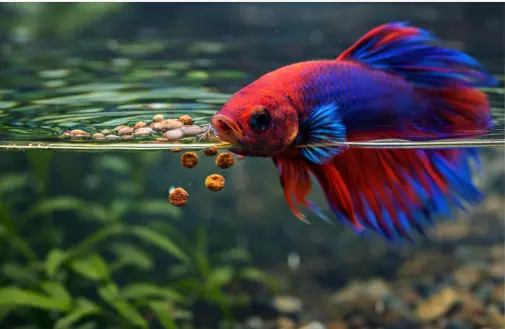
How Many Pellets Should Feed a Betta Per Day
Standard Pellet Count for Adult Bettas (1.0 mm Pellets)
With standard 1 mm betta pellets:
- 2–3 pellets per feeding
- 1–2 feedings daily
- Total intake: roughly 4–6 pellets per day
This works for most healthy adult Betta splendens kept between 78 and 82°F.
Not every fish is identical. Some require minor adjustments.
Most adult bettas need 1–2 structured meals per day. If you’re still deciding on feeding frequency, read our complete guide on how often to feed a betta fish first.
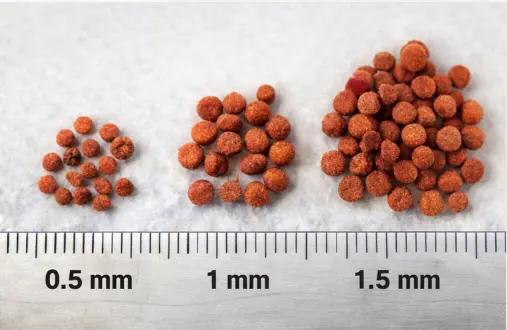
How Many Pellets Should Feed a Betta Based on Pellet Size
Pellet diameter changes portion control more than people expect.
| Pellet Diameter | Pellets per Meal | Approx. Daily Total |
|---|---|---|
| 0.5 mm | 3–4 | 6–8 |
| 1.0 mm | 2–3 | 4–6 |
| 1.5 mm | 1–2 | 2–4 |
Certain larger pellets contain nearly double the mass of smaller micro pellets. Owners switching brands often unknowingly double intake.
It happens more than people admit.
Fry vs Juvenile vs Adult Differences
- Fry: 3–5 very small feedings daily (crushed pellet or live micro-food)
- Juveniles: 2–3 lighter feedings
- Adults: 1–2 structured meals
- Seniors: modest reduction
Life stage affects frequency more than pellet count.
How Many Pellets Should Feed a Betta Per Feeding
Counting pellets feels precise. It isn’t.
Measuring mass is.
Understanding Pellet Diameter and Density
Two pellets labeled “1 mm” from different brands can vary noticeably in weight. Ingredient ratios, moisture content, and compression methods change density.
A typical 1 mm pellet weighs somewhere around 0.01–0.02 grams.
Six pellets often equal roughly 0.06–0.12 grams daily intake.
That’s sufficient for most adult bettas in stable conditions.
How Pellet Brands Behave in Water
Some pellets expand rapidly. Others barely change shape.
If pellets swell visibly after hitting water:
- Feed slightly fewer
- Check the abdomen 5–10 minutes later
If pellets remain compact:
- Count-based portioning is more reliable
Swelling is rarely discussed, but it matters.
Pellets should contain 40–50% protein with fish meal listed first. For a full breakdown of the best foods for bettas, see what do betta fish eat — including which brands work best.
Converting Pellets to Grams (For Precision)
If you want accuracy:
- Weigh 10 pellets
- Divide by 10
- Multiply by daily pellet count
Simple math prevents slow overfeeding over months.
Betta Fish Anatomy and Digestive Limits (Betta splendens)
Bettas are carnivorous labyrinth fish. Their digestive tract is short, adapted for insect protein — not bulk plant matter.
They are not continuous grazers.
Stomach Size and the “Eyeball Rule”
The stomach is roughly comparable to the size of the fish’s eye.
Exceeding that volume in one sitting increases the likelihood of:
- Bloating
- Swim bladder pressure
- Digestive stress
The eyeball rule works — provided pellet size stays consistent.
Protein Requirements (40–50%)
Quality betta pellets typically contain:
- 40–50% crude protein
- Fish meal listed first
- Limited filler grains
Low-protein pellets require higher volume feeding, which increases waste output.
Bettas (Betta splendens) are carnivorous labyrinth fish with a short digestive tract adapted for insect-based protein — not bulk plant matter. Learn more about Betta splendens biology on Wikipedia.
Temperature and Digestion (78–82°F)
Optimal range: 78–82°F (25.5–27.5°C).
At ~80°F digestion functions efficiently.
At 75°F or lower:
- Metabolism slows
- Food remains longer in the digestive tract
- Constipation risk rises
In cooler water, reducing portion size slightly is safer than increasing feeding frequency.
At 78–82°F digestion works efficiently. If your tank temperature is unstable, check whether bettas need a heater — because feeding in cool water increases constipation risk.
How Many Pellets Should Feed a Betta at Different Life Stages
Fry Feeding Micro-Plan
- 3–5 tiny feedings daily
- Very small portions
- Crushed pellets or baby brine shrimp
Long fasting periods during early development stunt growth noticeably.
Juvenile Intake Guidelines
- 2–3 moderate feedings
- Transition gradually to standard pellets
- Monitor body shape weekly
Overfeeding during growth leads to fat accumulation rather than healthy muscle development.
Adult Betta Pellet Chart
For most adult bettas:
- 4–6 small pellets daily (1 mm)
- 2–4 pellets daily (1.5 mm)
- Divided into one or two meals
Consistency beats variation.
Senior Betta Adjustments
Older fish (2.5+ years):
- Reduced metabolism
- Lower activity
Slightly reduce pellet count, maintain protein quality.
Excess feeding accelerates fat buildup in older fish.
Research confirms that carnivorous fish thrive on high-protein diets with animal-based ingredients as the primary source. See this fish nutrition study on protein requirements for reference.
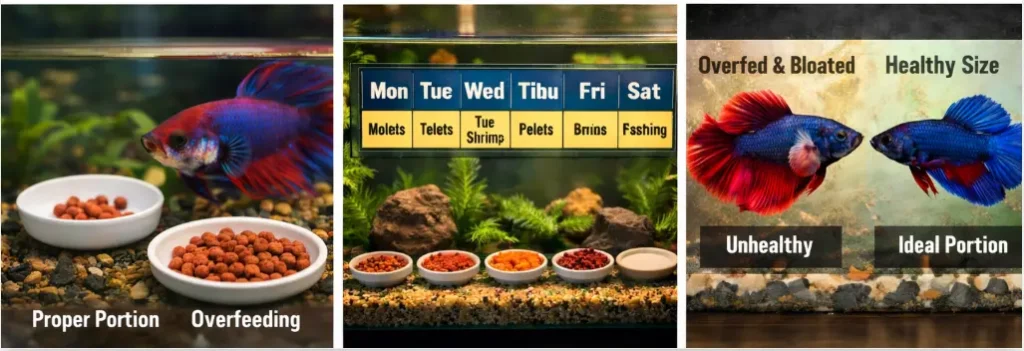
How Many Pellets Should Feed a Betta Without Overfeeding
Once Daily Model
- 4–6 pellets in one feeding
- Acceptable for stable adults
Twice Daily Model
- 2–3 pellets per feeding
- Often reduces digestive stress
- Helps prevent bloating
Many experienced keepers prefer splitting meals.
Micro-Meal Strategy
Feeding 3 smaller portions daily can work in:
- Larger aquariums
- Highly active fish
- Carefully monitored setups
It’s optional, not required.
Uneaten pellets and excess waste quickly spike ammonia levels. Learn how to handle it with this guide on how to lower ammonia in a betta tank before it becomes a crisis.
Weekly Fasting — Is It Necessary?
Not mandatory.
Some aquarists fast once every 7–10 days to reduce digestive buildup.
Avoid fasting:
- Fry
- Underweight fish
- Fish under medication
Portion control usually eliminates the need.
How Many Pellets Should Feed a Betta in a Small Tank vs Large Tank
Tank Size (3–5 Gallons vs 10+ Gallons)
In nano tanks:
- Waste accumulates quickly
- Ammonia fluctuations happen faster
- Overfeeding shows consequences sooner
Even one additional pellet daily can gradually elevate nitrates.
In nano tanks (3–5 gallons) even one extra pellet daily can shift nitrate levels. A properly cycled tank handles waste far better — here’s how to cycle a betta tank safely if you haven’t done it yet.
Activity Level
More active fish may tolerate slightly higher intake.
Sedentary bettas in low-flow setups often need stricter control.
Observation matters more than rigid numbers.
Breeding Conditioning
Preparing for breeding:
- Slight protein increase
- Small frequent portions
- Avoid heavy fat sources
Excess feeding does not improve breeding outcomes.
Maintaining water quality is directly tied to feeding discipline. Follow a proper schedule for how often to clean a betta tank to prevent buildup from uneaten food.
How Many Pellets Should Feed a Betta When Using Frozen or Live Food
Replacing Pellet Meals
Frozen brine shrimp or bloodworms may replace one pellet meal weekly.
Stacking treats on top of pellet meals creates imbalance.
Caloric Density
Bloodworms are calorie-dense and fatty.
Overuse can lead to:
- Digestive stress
- Bloating
- Long-term fat accumulation
Pellets remain the most consistent baseline.
Signs You’re Feeding Too Many Pellets
- Persistent abdominal swelling
- Floating imbalance
- Reduced activity
- Increased waste
Chronic overfeeding shortens lifespan gradually.
Signs You’re Feeding Too Few Pellets
- Slightly sunken abdomen
- Dull coloration
- Visible weight loss
- Lower energy
Increase gradually, not abruptly.
Measuring and Calibrating Pellet Portions
Using a Micro Scale
Occasional weighing maintains consistency — especially when:
- Switching brands
- Correcting weight issues
- Adjusting feeding routines
Calibrating Automatic Feeders
Before relying on automation:
- Test pellet output
- Count actual dispensed pieces
- Adjust feeder opening
Humidity changes pellet flow over time.
Avoiding Swelling Errors
If pellets visibly expand in water:
- Reduce count slightly
- Reassess belly shape after feeding
Small adjustments prevent cumulative overfeeding.
Special Feeding Situations
Feeding a Sick Betta
If appetite drops:
- Feed lightly
- Avoid heavy treats
If bloating appears:
- Pause feeding 24–48 hours
- Resume slowly
Feeding During Medication
During antibiotic treatment:
- Smaller portions
- No heavy protein excess
- Monitor digestion
Return to normal feeding gradually after recovery.
Feeding While on Vacation
Healthy adults tolerate 5–7 days without food.
Better options:
- Automatic feeder (tested)
- Pre-measured portions
Avoid dissolving vacation blocks.
Transitioning Between Pellet Brands
Switch over 5–7 days.
Mix gradually to reduce digestive stress.
How Many Pellets Should Feed a Betta (Complete Feeding Chart)
Minimalist Plan
- 1 meal daily
- 4–6 pellets
- Optional fasting day
Balanced Plan
- 2 meals daily
- 2–3 pellets per feeding
- Occasional weekly treat
Growth-Focused Plan
- 2–3 smaller meals
- Higher protein
- Close monitoring
Breeding Conditioning Plan
- Slight protein increase
- Controlled portions
- Stable water parameters
FAQs :
How many pellets should I feed a betta each day?
Most adult bettas do well on 4–6 small (around 1 mm) pellets per day, usually divided into one or two meals.
Is 10 pellets a day too much for a betta?
In most home aquariums, yes. Ten standard pellets daily often exceeds the required caloric intake for an average adult betta.
Is 3 pellets enough for a betta?
Three pellets may be enough for a single feeding, but rarely sufficient for the entire day unless the pellets are large (1.5 mm+).
Do bettas need pellets every day?
Healthy adult bettas should be fed daily. Short fasting periods are optional but not mandatory.
How many pellets does a baby betta eat?
Fry require crushed pellets or micro food 3–5 times per day in very small quantities. Pellet count alone isn’t reliable at this stage.
Does pellet size change how many pellets I should feed?
Yes. Larger pellets contain more mass, so fewer pieces are required per meal.
What is the eyeball rule for feeding bettas?
It suggests feeding an amount roughly equal to the size of the fish’s eye to prevent overfeeding.
How do I measure the correct pellet amount?
Count pellets according to diameter, or weigh them periodically using a micro scale for precision.
How often should I feed betta pellets?
One or two structured meals daily is appropriate for most adult bettas.
What should I do when switching pellet brands?
Compare pellet size and density. Weigh if possible, since different brands vary in mass.
How can I tell if I fed too many pellets?
Look for a rounded or swollen abdomen, buoyancy issues, or leftover food in the tank.
Should I soak pellets before feeding?
Soaking is optional. Some pellets expand slightly, but quality pellets are generally safe to feed dry.
How do I prevent water pollution from pellets?
Feed small portions slowly and remove uneaten pellets after a few minutes.
How do I transition to a new pellet formula?
Gradually mix old and new pellets over 5–7 days to minimize digestive disruption.
How do I set up an automatic feeder correctly?
Test the feeder, count the pellets it dispenses, and adjust the opening to match your daily target.
What happens if I feed too many pellets?
Chronic overfeeding can lead to bloating, constipation, swim bladder stress, and deteriorating water quality.
Can underfeeding harm a betta?
Yes. Insufficient nutrition over time results in weight loss, weaker immunity, and reduced coloration.
Does feeding fewer pellets increase lifespan?
Controlled feeding reduces obesity-related stress and may contribute to longer-term health stability.
Can too many pellets cause swim bladder problems?
Yes. Excess intake can increase abdominal pressure and disrupt buoyancy.
Will feeding more pellets make my betta grow faster?
No. Excess calories do not translate into healthy growth and may instead cause fat buildup.
Does overfeeding raise ammonia levels?
Yes. Uneaten or excessive food increases ammonia and nitrate accumulation.
How much does pellet feeding cost monthly?
Most owners spend only a few dollars per month due to the small daily quantity required.
Are premium pellets worth it?
Higher-quality pellets often contain better protein sources and fewer fillers, improving digestion and waste control.
Do automatic feeders prevent overfeeding?
They improve consistency, but incorrect calibration can still lead to excess dispensing.
Is live food more expensive than pellets?
Generally yes. Live food involves higher cost and more handling.
Are pellets better than flakes?
Pellets allow more precise portion control and are usually preferred.
How many pellets equal one bloodworm cube?
A small frozen bloodworm cube can exceed the caloric equivalent of several pellet feedings.
Should pellets be the main diet?
Yes. Pellets should form the staple diet, with frozen or live food used occasionally.
How is feeding a betta different from feeding goldfish?
Bettas require stricter portion control due to smaller stomach capacity and carnivorous digestion.
Are micro pellets better than standard pellets?
Micro pellets are useful for juveniles but unnecessary for most adult fish.
How does temperature affect pellet digestion?
Cooler water slows metabolism, requiring slightly smaller portions to prevent constipation.
How many grams of pellets should a betta eat daily?
Most adult bettas consume approximately 0.06–0.12 grams per day, depending on pellet density.
Does higher protein change pellet count?
Higher protein pellets may require slightly fewer pieces due to increased caloric density.
Does tank size affect pellet quantity?
Tank size does not change caloric needs, but smaller tanks are less forgiving of overfeeding.
How many pellets should I feed a breeding betta?
Breeding conditioning may involve slight increases in protein, but portion control remains critical.
Do pellets expand inside the stomach?
Some pellets absorb water and expand slightly, which is why overfeeding dense brands increases bloating risk.
Can pellet intake be calculated based on body weight?
Advanced keepers sometimes estimate intake as a small percentage of body mass, adjusted conservatively.
Are smart feeders improving portion accuracy?
Programmable feeders allow precise scheduling, reducing inconsistent feeding patterns.
Can AI tools determine pellet amounts accurately?
AI tools provide general guidance, but visual observation and water testing remain essential.
Are sustainable pellet options available?
Some manufacturers now use responsibly sourced fish meal or insect-based protein.
Is feeding guidance evolving with research?
Aquaculture research continues refining optimal protein balance and digestibility standards.
Can AI Overviews give correct pellet numbers?
They summarize common guidance, but pellet size and fish condition must still be evaluated individually.
My betta still acts hungry after feeding. Should I give more?
Not necessarily. Bettas often respond to movement and habit rather than true hunger.
Is 15–20 pellets per day safe?
For most adult bettas, that amount is excessive and increases health risks.
How many pellets should I feed in a 3-gallon tank?
The caloric requirement remains the same, but precision is more critical due to rapid waste accumulation.
Should very active bettas eat more pellets?
Minor adjustments may be reasonable, but increases should remain modest.
How many pellets should a sick betta receive?
Feed lightly, or temporarily pause feeding depending on symptoms and veterinary guidance.
Can too few pellets cause color fading?
Yes. Chronic underfeeding can reduce vibrancy and overall vitality.
Pingback: Why Is My Betta Spitting Out Food? 7 Mistakes You Must Fix Now