Is 1 Gallon Enough for a Betta Fish?
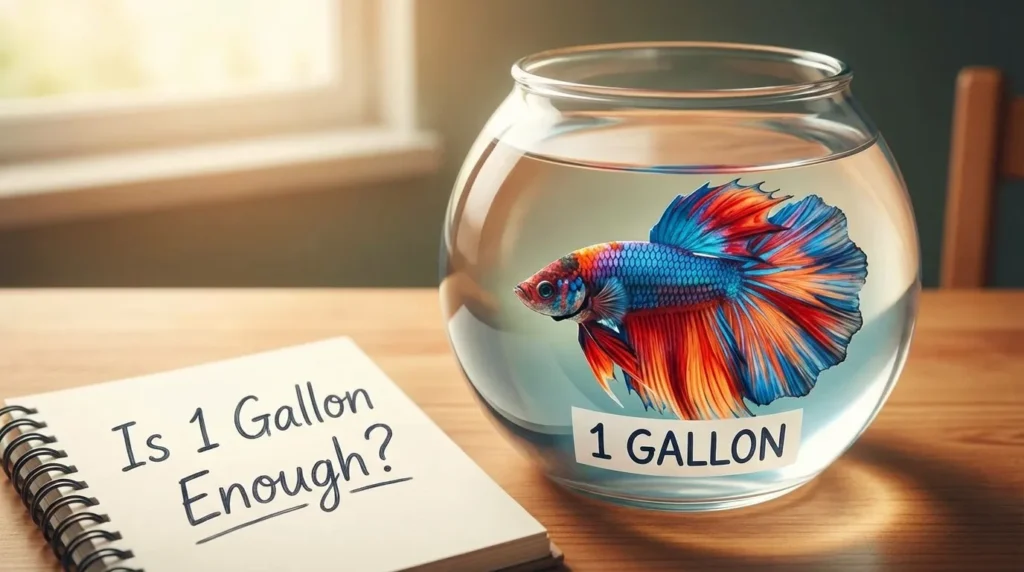
Is 1 gallon enough for a betta fish as a permanent home? No. A 1 gallon tank is too small to maintain stable water quality, temperature, and filtration for long-term betta care. It lacks sufficient horizontal swimming space and biological stability. A 1 gallon setup can only function as a temporary or emergency solution. The practical minimum for healthy long-term care is 5 gallons.
When Is 1 Gallon Enough for a Betta Fish Temporarily?
- Short term holding during cleaning or transport
- Quarantine or hospital tank for treatment
- Strict monitoring and frequent water changes
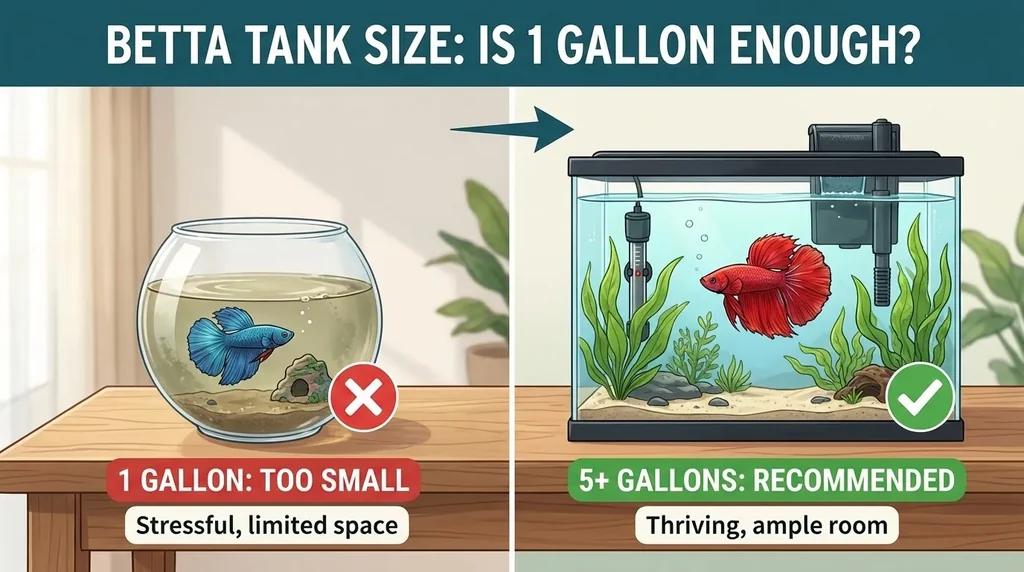
Why 5 Gallons Is the Practical Minimum
- Stable water parameters with less daily fluctuation
- Safe space for a heater and low flow filter
- Enough layout room for plants, decor, and enrichment
1 Gallon vs 2.5 vs 5 vs 10 Gallons
| 1 gallon | 2.5 gallons | 5 gallons | 10 gallons | |
|---|---|---|---|---|
| Verdict | Temporary only | Temporary only | Minimum for one betta | Best for beginners |
| Temperature stability | Swings within hours | Swings easily | Stable with a heater | Very stable |
| Ammonia build-up | Very fast | Fast | Manageable | Slow |
| Water changes | 25–30% every 2–3 days | 25–30% twice a week | 25–30% weekly | 20–25% weekly |
| Heater | Hard to heat safely | Small preset heater | About 25 W, adjustable | About 50 W, adjustable |
For every size from 1 to 20 gallons, see the betta tank size guide and 5 vs 10 gallons compared.
How Long Can a Betta Live in a 1 Gallon Tank?
Usually far shorter than it should. Bettas kept in small, unheated bowls often live only 1–2 years, while a betta in a heated, filtered tank of 5 gallons or more commonly lives 3–5 years. A heater and very frequent water changes help a 1 gallon betta survive longer, but the fish still spends its life in water that swings with every meal and every cold night. See how long betta fish live for the full lifespan chart.
How Much Space a Betta Needs to Thrive
Betta splendens are active fish that need consistent water quality and horizontal space. They patrol territory, rest near surfaces, and explore structure.
Survival Versus Thriving Conditions
- 1 gallon supports survival only in short term conditions
- 2.5 gallons improves stability but still limits swim space
- 5 gallons provides room for proper equipment and stable biology
Impact of Tank Size on Stress, Appetite, and Activity
- Larger volumes reduce ammonia and nitrite spikes
- Fish display smoother movement and stronger appetite
- Stress behaviors decline when the environment is consistent
Is 1 Gallon Enough for a Betta Fish Compared to 3 or 5 Gallons?
Water Stability and Nitrogen Cycle Margins
- 1 gallon reaches dangerous ammonia levels fast
- 2.5 gallons creates a small buffer but needs tight routines
- 5 gallons supports biological filtration and beneficial bacteria
Temperature Stability and Heater Performance
- 1 gallon swings several degrees in hours
- 2.5 gallons holds temperature but still fluctuates
- 5 gallons lets a heater regulate properly
Maintenance Workload by Tank Size
- 1 gallon: 25–30% water change every 2 to 3 days
- 2.5 gallons: 25–30% water change twice a week
- 5 gallons: scheduled water changes weekly for most setups
Ideal Tank Size by Experience Level
- Beginners: 10 gallons (most forgiving)
- Any single betta: 5 gallons minimum
- Giant bettas: 10 gallons or more
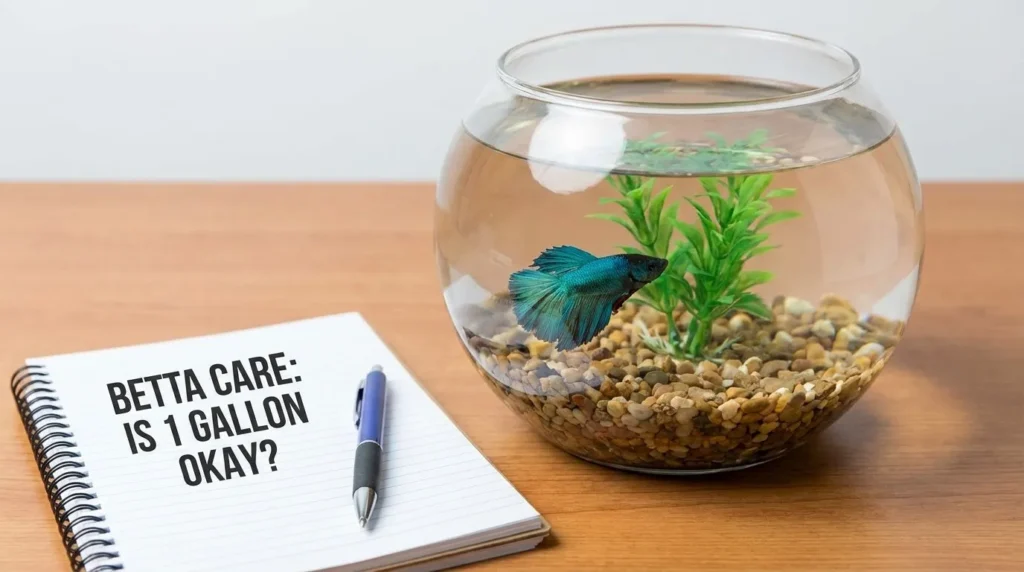
When a 1 Gallon Tank Is Acceptable
Temporary, Quarantine, Hospital, and Transport Use Cases
- Post-treatment rest space
- Medication isolation
- Short transport or relocation days
Daily Maintenance Requirements if 1 Gallon Is Unavoidable
- Test water daily for ammonia and nitrite
- Condition and replace water frequently
- Maintain low stocking and minimal feeding
Ethical Considerations and Upgrade Planning
- Short term use must have a set end date
- Prioritize an upgrade to 5 gallons or more, or rehoming
Why Most Experts Recommend 3 to 5 Gallons or Larger
Water Quality and Filtration Performance
- Higher volume dilutes waste
- Filters cycle more effectively in larger systems
Reduced Risk of Common Illnesses
- Fin rot
- Velvet
- Ammonia burns
- Temperature shock
Improved Enrichment and Lifestyle Quality
- Add live plants and hides
- Support natural behavior without crowding
- Create consistent day and night lighting control
Essential Equipment for Any Betta Tank
Filter Selection and Low Flow Design
- Sponge or baffled filter to protect fins
- Biological media for beneficial bacteria growth
Heater Wattage Requirements by Tank Size
- About 25 watts for 5 gallons, 50 watts for 10 gallons
- Maintain 78 to 80 degrees Fahrenheit
Thermometer, Lid, and Lighting
- Thermometer for daily checks
- Lid to prevent jumping at the surface
- Light with day and night cycle timing
Live Plants, Substrate, and Enrichment
- Low light plants like anubias, java fern, hornwort
- Smooth substrate to protect fins
- Caves, hides, and line of sight breaks
Tank Setup Standards for Long Term Betta Health
Water Parameters and Testing Routine
- Temperature: 78 to 80 degrees Fahrenheit
- pH: 6.5 to 7.5 depending on source water
- Ammonia: 0 ppm
- Nitrite: 0 ppm
- Nitrate: under 20 ppm
Cycling the Tank Before Adding a Betta
- Establish bacteria in filter and substrate
- Add fish only after ammonia and nitrite stay at zero
Feeding Routines and Waste Management
- Feed controlled portions
- Remove uneaten food
- Monitor water clarity and odor
How Tank Size Influences Health, Lifespan, and Behavior
Common Illnesses Linked to Undersized Tanks
- Fin erosion from poor water conditions
- Ammonia irritation affecting gills
- Lethargy from unstable temperatures
Signs of Stress and Decline
- Reduced appetite
- Clamped fins
- Surface gasping
- Erratic movement
Lifespan Expectations
- Suboptimal setups: shorter lifespans and higher illness risk
- Proper setups: stable multi-year lifespan with predictable behavior
Beginner Upgrade Roadmap: Moving from 1 Gallon to 5 Gallons
Selecting the Right Tank Dimensions
- Prioritize horizontal layout
- Avoid tall narrow tanks
Safe Transfer Without Shock
- Match temperature
- Acclimate slowly with partial water transfer
Repurposing a 1 Gallon Tank
- Hospital or isolation tank
- Transport container
- Quarantine before adding new tank mates
Is 1 Gallon Enough for a Betta Fish?
Key Takeaways for Choosing the Right Betta Tank Size
- 1 gallon is not a long term solution
- 5 gallons or more support consistent water stability
- Larger tanks reduce disease risk and stress
- Proper equipment creates conditions for thriving, not just surviving
- Long term welfare depends on volume, filtration, heat, and routine maintenance
FAQs: Is 1 Gallon Enough for a Betta?
How long can a betta live in a 1 gallon tank?
Usually 1-2 years in an unheated bowl, compared with 3-5 years in a heated, filtered tank of 5 gallons or more.
Is a 1 gallon tank okay if it has a heater and filter?
It is better than a bare bowl but still too small long term. Water quality and temperature still swing quickly, so use it only as a temporary or hospital tank.
Is 1 gallon enough for a betta as a permanent tank?
No. One gallon is too small for long term housing. It cannot maintain stable water quality or temperature.
Why is 1 gallon not recommended for a betta?
The small volume causes fast ammonia buildup, temperature swings, and limited swimming space. These conditions increase stress and illness risk.
Can a betta survive in a 1 gallon tank?
Survival is possible, but long term health and behavior decline. Thriving conditions require more space.
What is the recommended minimum tank size for a betta?
Five gallons, heated and filtered. Ten gallons is easier for beginners.care and equipment placement.
What is the ideal tank size for a healthy betta?
Five gallons or more. It creates room for a heater, filter, plants, and consistent parameters.
How-To and Process FAQs
How often should you change the water in a 1 gallon betta tank?
About 25–30% every 2 to 3 days, and more often if you smell or test ammonia. Small tanks accumulate ammonia fast.
How do you set up a 1 gallon betta tank safely if you have no other choice?
Add a heater, gentle filter, conditioned water, and test for ammonia daily. Reduce feeding and monitor behavior.
How do you upgrade a betta from 1 gallon to 5 gallons?
Match temperature, transfer water, acclimate slowly, and move the fish with minimal net stress.