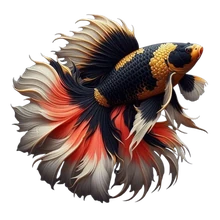
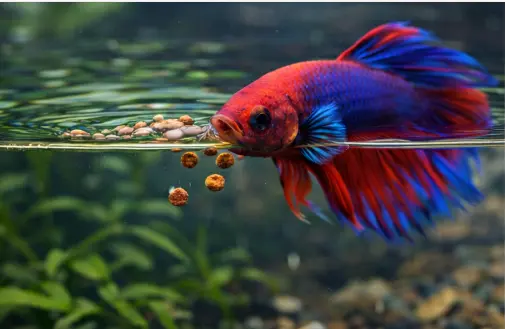
Betta fish sometimes take food into their mouths and then spit it out again. This behavior often confuses new fish keepers. In most cases, it is not dangerous. Bettas frequently chew pellets before swallowing them, and the chewing motion can look like the fish is rejecting food.
However, repeated spitting can also signal feeding mistakes, poor water conditions, or health problems. Understanding the difference between normal feeding behavior and a real issue helps prevent unnecessary stress and allows you to correct problems quickly.
Why Is My Betta Spitting Out Food
The most common reasons a betta fish spits out food include:
- pellets that are too large or too hard
- poor water quality in the aquarium
- stress caused by tank conditions
- overfeeding or digestive discomfort
- illness such as swim bladder disorder
- simple chewing behavior before swallowing
Many bettas grab food, chew it, spit it briefly, and then eat it again. This is normal feeding behavior. The concern begins when the fish repeatedly spits food and refuses to eat it afterward.
How Betta Fish Actually Eat Food
Understanding betta feeding mechanics explains why this behavior happens so often.
Unlike mammals, fish do not chew food with jaws designed for grinding. Their feeding system works differently.
Suction Feeding Mechanism in Betta Fish
Betta fish capture food through suction feeding. When a pellet or insect approaches, the fish rapidly opens its mouth and pulls water inward. The food enters the mouth along with that water.
The fish then pushes the water back out through the gills while keeping the food inside.
This process happens in a fraction of a second.
Role of Pharyngeal Teeth in Chewing Pellets
Bettas possess specialized structures called pharyngeal teeth located deeper in the throat. These teeth help break down food after it enters the mouth.
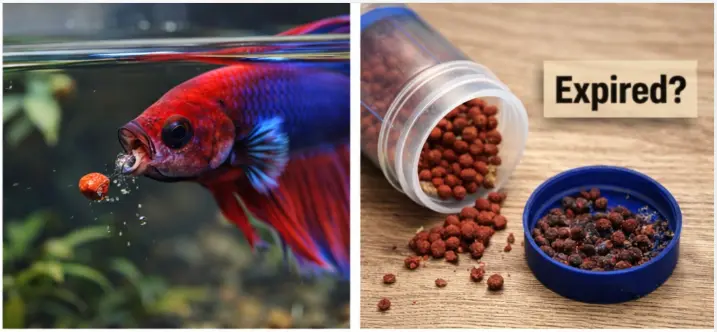
Pellets often need to soften before the fish can swallow them comfortably. During this process, the betta may spit the pellet slightly forward and then grab it again.
To an observer, this looks like rejection.
It is usually just food processing.
Digestive Process in Betta Fish
Once swallowed, the food travels through the digestive tract where enzymes break it down into nutrients.
Betta fish are carnivorous surface feeders, so their digestive system is adapted for protein-rich foods such as insects, larvae, and small crustaceans.
Foods that are too dry or too large can interrupt this process and cause spitting behavior.
Normal vs Problematic Feeding Behavior
Not all food spitting indicates a problem.
Some behavior patterns are completely normal.
Normal Chewing and Spitting Behavior
A healthy betta may:
- grab the pellet
- chew briefly
- spit it slightly forward
- swallow it on the second attempt
This happens especially with dry pellets that absorb water slowly.
The fish is essentially softening the food before swallowing.
Signs the Behavior Indicates a Problem
Spitting becomes concerning when you observe patterns like:
- repeated spitting with no swallowing
- food ignored after spitting
- sudden appetite loss
- lethargy or abnormal swimming
- bloating or difficulty staying upright
These symptoms can indicate environmental stress or health issues.
How Often Spitting Food Is Considered Normal
Occasional spitting during feeding is common.
Constant rejection of food over several meals is not normal and requires investigation.
Why Is My Betta Spitting Out Food? 7 Main Causes
Most feeding problems originate from the food itself.
Pellet Size Too Large for the Betta Mouth
Betta pellets vary significantly in diameter.
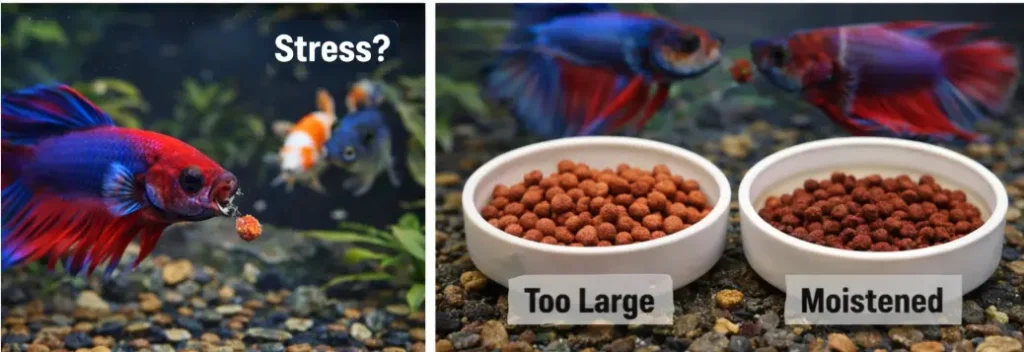
Some pellets measure 1.5–2 mm, which can be difficult for smaller bettas to swallow.
If the pellet is too large, the fish may repeatedly spit it while trying to break it apart.
Hard or Dry Pellets
Dry pellets absorb water slowly.
When placed directly into the aquarium, they can remain hard for several seconds. Bettas sometimes spit these pellets because they are difficult to swallow immediately.
A simple fix is soaking pellets in aquarium water for a few minutes before feeding.
This softens the pellet and makes swallowing easier.
Poor Food Quality
Low-quality fish food often contains excessive plant fillers. Bettas struggle to digest these ingredients.
High-protein betta diets typically contain:
- fish meal
- shrimp meal
- krill
- insect protein
Poor nutritional balance can cause fish to reject the food entirely. See what betta fish eat for a protein-first diet they actually swallow.
Food Type the Betta Dislikes
Bettas can develop strong preferences.
Some refuse flakes but eagerly eat pellets. Others prefer frozen foods.
| Food Type | Description |
|---|---|
| Betta pellets | Balanced daily diet |
| Freeze-dried bloodworms | High protein treat |
| Brine shrimp | Easily digestible food |
| Daphnia | Supports digestion |
Rotating foods often improves feeding behavior.
Overfeeding and Digestive Stress
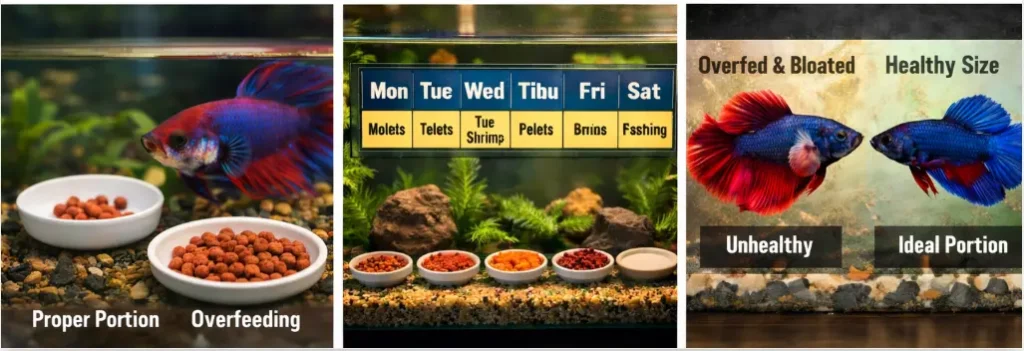
Bettas have small stomachs roughly the size of their eye.
Feeding too much food causes digestive discomfort. A fish experiencing mild bloating may spit food because it is already full.
| Feeding Factor | Ideal Amount |
|---|---|
| Pellets per feeding | 2–4 |
| Feedings per day | 1–2 |
Bettas have stomachs roughly the size of their eye. Feeding too many pellets causes digestive discomfort and spitting. Check our full guide on how many pellets should feed a betta to avoid this mistake.
Spitting Food: Normal or a Problem?
| What you see | Likely meaning | What to do |
|---|---|---|
| Spits a pellet, grabs it again, swallows | Normal chewing | Nothing |
| Spits the same pellet several times, then leaves it | Pellet too big or hard | Smaller pellets; soak a few minutes |
| Spits food after a few pellets | Already full | Feed less; see the pellet chart |
| Spits everything, hides, faded color | Water quality or stress | Test ammonia and nitrite; water change |
| Spits food and is sluggish, lying low | Cold water | Check the heater; warm to 78–80°F slowly |
| Spits food, bloated, swims oddly | Constipation or swim bladder trouble | Fast 2–3 days; see the swim bladder guide |
Aquarium Environment Problems That Affect Feeding
Environmental stress strongly influences appetite.
Poor Water Quality
Toxic compounds accumulate in poorly maintained aquariums.
The most dangerous are:
| Chemical | Safe Level |
|---|---|
| Ammonia | 0 ppm |
| Nitrite | 0 ppm |
| Nitrate | below 20 ppm |
Ammonia and nitrite interfere with gill function and oxygen absorption. Fish experiencing this stress often stop eating or spit food out.
Ammonia and nitrite at even low levels suppress appetite and cause food spitting. Learn how to lower ammonia in a betta tank before it damages your fish’s health permanently.
Regular testing with an aquarium water testing kit is essential.
Incorrect Water Temperature
Betta fish are tropical species.
The ideal temperature range is:
78–80°F (25–28°C)
Cold water slows metabolism and digestion. Fish kept in cooler tanks often show reduced appetite and unusual feeding behavior.
An aquarium heater stabilizes temperature and prevents these issues.
Cold water slows betta metabolism and reduces appetite significantly. If your tank temperature drops below 78°F, find out do bettas need a heater and which models keep temperature truly stable.
Low Oxygen Levels in the Aquarium
Although bettas possess a labyrinth organ that allows them to breathe air from the surface, they still rely on dissolved oxygen in the water.
Poor filtration or stagnant water reduces oxygen levels and stresses the fish.
Stress From Tank Conditions
Stress can suppress appetite quickly.
Common stress sources include:
- tanks smaller than 5 gallons
- aggressive tank mates
- constant tapping on the glass
- intense lighting without hiding spots
Aquatic plants and decorations help create a more secure environment.
A stressed betta rarely eats normally. Adding hiding spots with floating plants for bettas creates security and often restores normal feeding behavior within days.
Health Problems That Cause Betta Fish to Spit Out Food
If environmental and feeding factors are correct, illness may be involved.
Swim Bladder Disorder
The swim bladder controls buoyancy. When it becomes inflamed or compressed, fish struggle to maintain balance.
Symptoms include:
- floating uncontrollably
- sinking to the bottom
- difficulty swimming straight
- appetite loss
Digestive blockage is a common cause.
Digestive Blockage or Constipation
High-protein foods without dietary fiber can cause mild constipation.
Daphnia, often called “aquarium laxatives,” help relieve digestive issues because of their chitin content.
Internal Parasites
Parasites may cause appetite changes or weight loss despite feeding.
Signs include:
- thin body condition
- white stringy feces
- lethargy
Bacterial Infections
Advanced infections can affect the digestive system or gills.
These cases usually present additional symptoms such as:
- clamped fins
- discoloration
- reduced activity
Stress-Related Appetite Loss
Chronic stress weakens the immune system and disrupts feeding behavior.
Improving the environment often restores appetite quickly.
Diagnostic Guide: Why Your Betta Spits Out Food
Observing feeding behavior provides valuable clues.
Behavior Pattern Analysis
Spits food then eats it again
Likely cause:
Pellet size or hardness.
Spits food and ignores it
Possible causes:
- disliked food type
- stress
- early illness
Spits food and appears lethargic
Possible causes:
- water quality problems
- disease
- digestive issues
Environmental Parameter Check
Measure these aquarium parameters:
| Parameter | Ideal Range |
|---|---|
| Temperature | 78–80°F |
| pH | 6.5–7.5 |
| Ammonia | 0 ppm |
| Nitrite | 0 ppm |
| Nitrate | under 20 ppm |
Unstable conditions often trigger feeding problems.
Food Size and Diet Assessment
Check whether pellets exceed 1–1.5 mm.
Also examine ingredient quality. High-quality betta diets should contain protein levels around 40–50%.
Aquarium Water Parameters for Healthy Betta Feeding
Stable water conditions support normal feeding behavior.
| Parameter | Recommended Range |
|---|---|
| Temperature | 78–80°F |
| pH | 6.5–7.5 |
| Ammonia | 0 ppm |
| Nitrite | 0 ppm |
| Nitrate | <20 ppm |
| Tank size | Minimum 5 gallons |
Regular water changes of 20–30% per week help maintain these parameters.
Correct Feeding Technique for Betta Fish
Even experienced aquarists sometimes overlook feeding technique.
Choosing the Right Pellet Size
Select pellets specifically designed for bettas. These pellets are smaller and contain higher protein levels suitable for carnivorous fish.
Soaking Pellets Before Feeding
Drop pellets into a small cup of tank water for about 10 seconds.
This step softens the food and prevents swelling inside the fish’s stomach.
Feeding once or twice daily with small controlled portions prevents digestive stress. For a complete schedule breakdown, read how often to feed a betta fish before adjusting your routine.
Proper Feeding Frequency
Bettas do best with small, consistent meals.
Typical routine:
- morning feeding
- evening feeding
Large single meals increase digestive stress.
Correct Portion Size
Avoid excessive feeding.
Uneaten food decomposes and increases ammonia levels, damaging water quality.
Best Foods That Bettas Digest Easily
Diet variety improves both nutrition and feeding interest.
High-Protein Betta Pellets
Quality pellets contain marine proteins such as fish meal, krill, or shrimp.
These closely resemble the natural diet of wild bettas.
Frozen and Live Foods
Occasional treats stimulate appetite and improve digestion.
Brine Shrimp
Rich in protein and easy to digest.
Bloodworms
Highly attractive to bettas but should be fed in moderation.
Daphnia
Excellent for supporting digestion and preventing constipation.
How to Stop Your Betta From Spitting Out Food
Correcting feeding behavior usually requires small adjustments.
Adjust Food Type and Size
Switch to smaller pellets or soak food before feeding.
Improve Aquarium Water Quality
Perform partial water changes and maintain the nitrogen cycle with proper filtration.
Stabilize Tank Temperature
Install a reliable aquarium heater and monitor temperature with a thermometer.
Reduce Environmental Stress
Provide plants, hiding areas, and sufficient tank space.
Introduce Diet Variety
Rotating between pellets, frozen foods, and occasional live foods keeps feeding behavior active and natural.
fish protein digestibility research
Preventing Feeding Problems in Betta Fish
Preventative care is easier than solving feeding problems later.
Establishing a Stable Feeding Routine
Feed at the same time each day so the fish anticipates food.
Maintaining Aquarium Water Quality
Weekly water changes and routine testing maintain a stable environment.
Regular water changes and clean tank conditions directly reduce feeding stress. Follow this guide on how often to clean a betta tank to keep parameters stable long term.
Monitoring Fish Health and Behavior
Daily observation allows early detection of appetite changes or illness.
Creating a Stress-Free Tank Environment
A properly sized aquarium with gentle filtration, warm water, and hiding spaces keeps bettas calm and encourages normal feeding behavior.
Understanding why your betta is spitting out food is the first step to fixing it. In most cases the cause is simple, pellets that are too large, water that is too cold, or mild digestive stress from overfeeding. Start by checking your pellet size, soaking food before feeding, and testing your water parameters. If spitting continues alongside lethargy or bloating, investigate swim bladder disorder or internal parasites. With small consistent adjustments, most bettas return to normal feeding behavior quickly.
Betta splendens feeding biology
Basic FAQs:
Why is my betta spitting out food?
Betta fish usually spit out food because pellets are too large, too dry, or unfamiliar. Bettas often chew pellets using pharyngeal teeth before swallowing, which can look like rejection. Poor water quality, stress, digestive discomfort, or illness such as swim bladder disorder may also cause repeated spitting and refusal to eat.
Why does my betta spit out food and eat it again?
This is normal. Bettas soften and break up pellets by spitting them out and taking them back in. Only worry if the food is left uneaten or the betta stops eating.
Is it normal for a betta fish to spit out food?
Yes, occasional food spitting is normal. Bettas sometimes grab pellets, soften them with saliva and water, spit them briefly, and swallow them again. This behavior is part of their feeding process. Concern arises only if the fish repeatedly rejects food and refuses to eat during multiple feeding attempts.
Why does my betta chew food and spit it out?
Betta fish chew food using structures called pharyngeal teeth located in their throat. Dry pellets often require softening before swallowing. The fish may spit the pellet forward while breaking it apart and then eat it again. This behavior is common when pellets are slightly larger or harder than ideal.
Why is my betta fish suddenly refusing food?
Sudden refusal of food often indicates environmental stress or water quality problems. Elevated ammonia, nitrite, or nitrate levels can suppress appetite. Temperature outside the ideal range of 78–80°F can also affect metabolism. Illness, digestive issues, or recent changes in diet may contribute to feeding refusal.
How do I stop my betta from spitting out pellets?
Use smaller betta pellets or soak the pellets in aquarium water for a few minutes before feeding. Softening the food helps the fish swallow it easily. Ensure the aquarium temperature is stable around 78–80°F and test water parameters to confirm ammonia and nitrite remain at zero.
How can I tell if my betta dislikes its food?
If a betta consistently spits food and refuses to eat it after several attempts, the fish may dislike the flavor or texture. Try switching to high-protein betta pellets, frozen brine shrimp, or bloodworms. Diet variety often stimulates appetite and encourages natural feeding behavior.
How often should I feed a betta fish?
Betta fish should typically be fed once or twice per day. Each feeding should include only 2–4 pellets or an equivalent portion of frozen food. Overfeeding can cause digestive problems and water contamination, which may lead to food rejection or unusual feeding behavior.
How do I check if water quality is causing feeding problems?
Use an aquarium water testing kit to measure ammonia, nitrite, nitrate, and pH levels. Healthy aquariums maintain 0 ppm ammonia, 0 ppm nitrite, and nitrate below 20 ppm. If levels are higher, perform a partial water change and ensure the aquarium filter and nitrogen cycle are functioning correctly.
Why is soaking betta pellets helpful?
Soaking pellets allows them to absorb water before the fish eats them. Dry pellets expand when wet, and expansion inside the stomach can cause digestive discomfort. Pre-soaking softens the pellet, making it easier to swallow and reducing the risk of constipation or swim bladder issues.
What happens if a betta keeps spitting out food?
If a betta repeatedly spits out food and stops eating, the fish may become malnourished over time. Persistent feeding refusal can indicate stress, poor water conditions, or illness. Monitoring aquarium parameters and adjusting food type often resolves the issue before it affects the fish’s health.
Can overfeeding cause betta fish to spit out food?
Yes. Overfeeding often causes digestive stress or mild bloating. Bettas have small stomachs approximately the size of their eye, so excessive food quickly leads to discomfort. When a betta is full or experiencing digestive pressure, it may spit out additional food instead of swallowing it.
Is food spitting a sign of illness in bettas?
Food spitting alone is not necessarily a disease symptom. However, when combined with lethargy, floating issues, weight loss, or abnormal swimming, it may indicate conditions such as swim bladder disorder, digestive blockage, or internal parasites. Observing other behavioral changes helps identify potential health problems.