Betta ich is the most likely culprit if your betta is suddenly covered in tiny white salt-like spots, and it’s one of the most common and most curable fish parasites, as long as you treat it correctly and for long enough. This guide explains exactly what betta ich is, why the heat-and-salt method works, the precise temperature and salt doses, a day-by-day treatment timeline, how to handle ich in a community tank, and how to stop outbreaks from ever happening again. Ich is beatable when you understand the parasite’s life cycle, and that’s exactly what you’ll learn here.
What Ich Looks Like
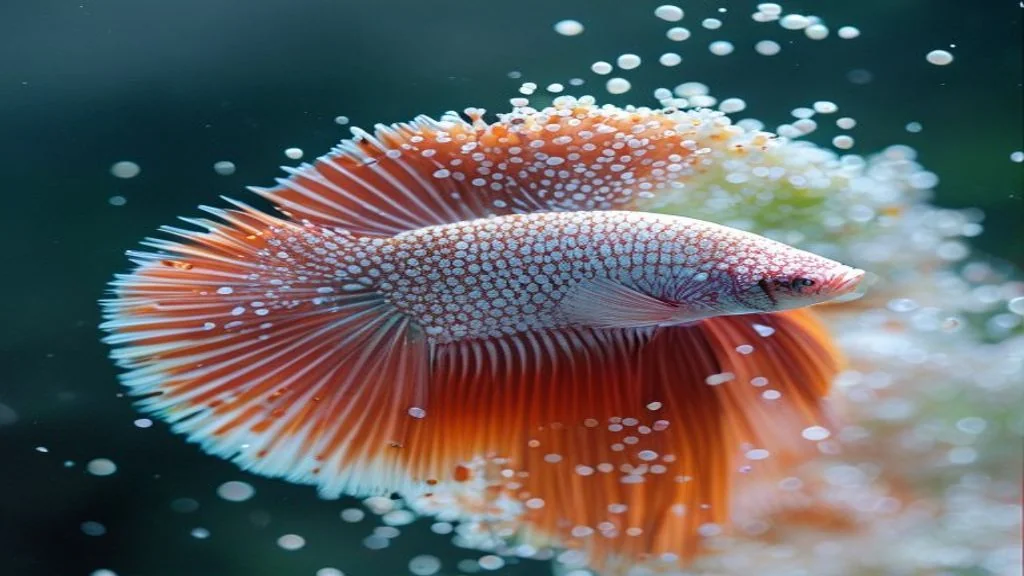
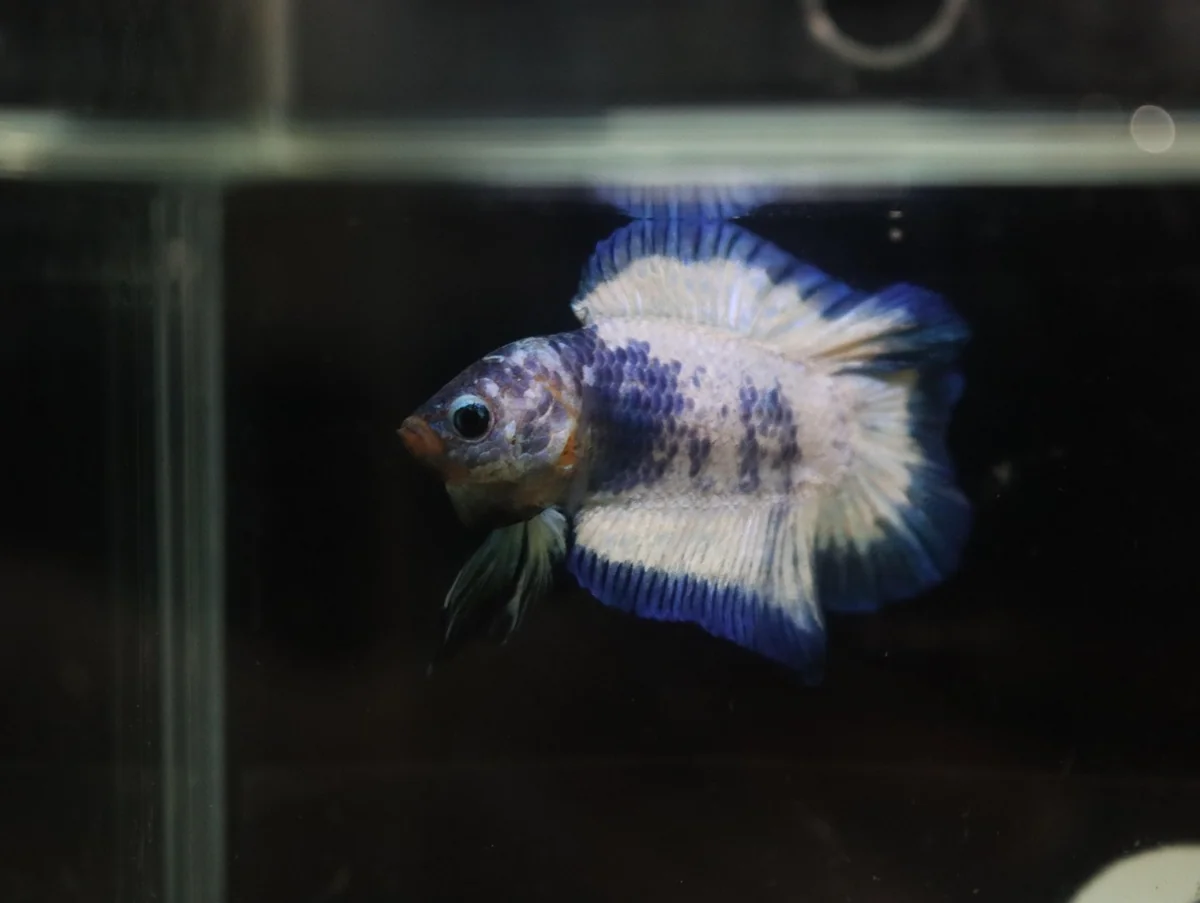
Ich appears as small, round, raised white dots, like someone sprinkled salt or sugar on the fish. Spots show on the body, head and fins. Early behaviour clues come before the spots: your betta “flashes”, rubbing against decor and substrate to scratch the itch, and may clamp its fins or rest more. If you see flashing with no spots yet, start watching closely; compare with signs of stress in betta fish to rule out simple stress.
Why Bettas Get Ich
The ich parasite usually enters on new fish, plants, or shared nets, then explodes when the betta is stressed or chilled. A stable, warm, cycled tank rarely has outbreaks. This is exactly why a quarantine routine matters, see our upcoming guide how to quarantine a new betta. Temperature crashes from a missing or failing heater are a classic trigger (do bettas need a heater).
Step-by-Step Betta Ich Treatment
Step 1 — Raise the temperature slowly
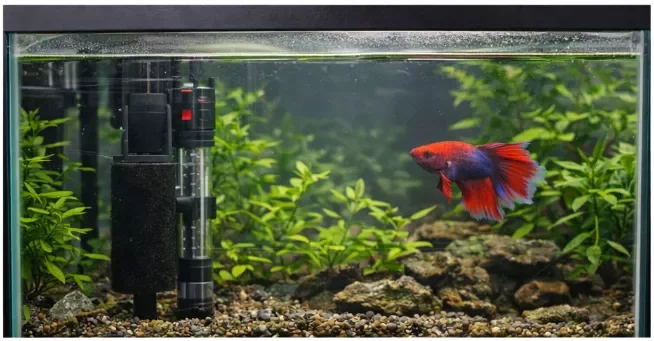
Increase the heater by about 1°F per hour until you reach 86°F (30°C). Going fast shocks the fish. Bettas tolerate 86°F short-term; add an air stone or gentle surface movement because warm water holds less oxygen.
Step 2 — Add aquarium salt
Dose 1 tablespoon of aquarium salt per 3–5 gallons, pre-dissolved in tank water. Salt impairs the free-swimming parasite. Keep up daily/every-other-day water changes and re-dose salt only for the water you remove.
Step 3 — Medicate (heavier infestations)
For widespread ich, add a dedicated ich medication (malachite green / formalin type or a betta-safe alternative). Remove activated carbon first (it strips medicine). Follow the label dose for your exact gallons.
Step 4 — Keep treating past the “cure”
Continue heat + salt for 10–14 days, and for 48–72 hours after the last spot disappears. Stopping early is the #1 reason ich comes back, the unseen stage is still in the water.
Step 5 — Return to normal
Lower the temperature gradually back to 78–80°F and finish salt with water changes. Deep-clean the tank afterwards using how to clean a betta tank.
Treatment Cheat-Sheet
| Setting | Target |
|---|---|
| Temperature | 86°F (30°C), raised slowly |
| Aquarium salt | 1 tbsp per 3–5 gallons |
| Aeration | Add air stone (warm water = less oxygen) |
| Duration | 10–14 days, +48–72h after last spot |
| Water changes | Daily–every other day, re-dose salt for replaced water |
Preventing Future Outbreaks
Quarantine every new fish and plant for 2–4 weeks, keep temperature rock-stable with a reliable heater, and avoid the chilling and stress that let ich take hold. A well-run, properly sized tank is your best defence, review the betta tank size guide and beginner betta care mistakes to avoid. For the complete routine that stops ich and every other illness, follow how to prevent betta diseases, and don’t confuse ich with the deadlier gold-dust parasite covered in betta velvet disease.
The Ich Life Cycle, Day by Day (Why Timing Is Everything)
Ich treatment fails for one reason almost every time: people stop too early because they don’t understand the parasite’s life cycle. The white spots you see are only one stage. Here’s what’s actually happening:
| Stage | Where | Can you kill it? |
|---|---|---|
| Trophont (the white spot) | Buried in the fish’s skin | No, protected; medication can’t reach it |
| Tomont (spot drops off) | Falls to substrate, multiplies | Partially |
| Theront (free-swimming) | Swimming in the water hunting a host | Yes, this is the only vulnerable window |
This is why heat matters: 86°F speeds the cycle so parasites reach the killable free-swimming stage faster. And it’s why you must keep treating after spots vanish, new theronts are still hatching from the substrate. Stop early and the cycle simply restarts. The unseen stages, not the visible spots, decide success.
Treating Ich in a Community Tank
Ich is never “one fish’s problem”. By the time you see a spot, free-swimming parasites are throughout the tank. Treat the whole tank, not the betta in isolation:
- Don’t move just the betta out: the rest of the tank stays infected and re-infects later.
- Heat + salt the main tank, but remember salt and high heat stress plants and many invertebrates (snails/shrimp), relocate sensitive inverts; see betta & shrimp and betta & snails.
- Disinfect shared nets/siphons: they carry ich between tanks instantly.
- Quarantine going forward: almost every outbreak enters on an un-quarantined fish or plant; this is exactly what quarantine prevents.
Catching the early “flashing” stage (rubbing before spots appear) lets you act before a full outbreak, see why is my betta rubbing on objects.
What Exactly Is Ich? A Clear Definition
Ich, also called white spot disease, is caused by the protozoan parasite Ichthyophthirius multifiliis (in freshwater fish). It is one of the oldest and most studied fish diseases in the aquarium hobby. The parasite burrows into the fish’s skin and gills, feeding on tissue and body fluids. Each visible white “grain” is a single mature parasite (a trophont) sitting just under the skin’s surface, protected by the fish’s own tissue, which is precisely why surface medications can’t kill it at that stage.
Ich is not a sign that you are a bad fishkeeper. The parasite is widespread and is usually introduced on new fish, live plants, or even water from a fish store. What turns a harmless introduction into a deadly outbreak is stress and cold water, which suppress the betta’s immune system and let the parasite multiply unchecked.
Early Symptoms vs. Advanced Symptoms
Recognising ich early is the single biggest factor in survival. The disease progresses through recognisable phases:
Earliest signs (before visible spots)
- Flashing: sudden darting and rubbing the body against decor, substrate, or the heater to relieve irritation.
- Clamped fins: fins held tight to the body instead of flowing.
- Increased gill movement: faster, laboured breathing if the parasite is in the gills.
- Lethargy and hiding: resting more, less interested in food.
Visible infection
- Distinct white dots like grains of salt or sugar on the body, head, and fins.
- Spots that increase in number over a few days.
- Cloudy patches where many parasites cluster.
Advanced / dangerous stage
- Spots covering large areas; skin looking rough or “dusty”.
- Heavy gasping at the surface (gill damage compromising oxygen uptake).
- Loss of appetite, severe lethargy, and rapid decline.
If you catch flashing and act before heavy spotting, the prognosis is excellent. If the gills are heavily infested before treatment, the outlook is far more serious.
Treating Ich Without Medication (Mild, Early Cases)
If you catch ich extremely early and have a hardy betta, the heat-and-salt method alone often clears it without chemical medication:
- Slow ramp to 86°F with heavy aeration.
- Aquarium salt at 1 tablespoon per 3–5 gallons.
- Daily 25% water changes (vacuuming the substrate removes settled tomonts).
- Re-dose salt only for the water removed.
- Continue the full 10–14 days plus the post-spot buffer.
This is the gentlest approach and is ideal for planted or shrimp-free betta-only tanks. For heavy infestations, add a dedicated ich medication, don’t gamble with a fish that’s already covered in spots.
Common Ich Treatment Mistakes
- Stopping when spots disappear. The parasite is still hatching from the substrate. This is the number-one cause of “ich keeps coming back”.
- Raising heat too fast. A weakened fish can’t handle a thermal shock on top of a parasite load.
- Forgetting aeration. More bettas are lost to oxygen starvation during ich treatment than to ich itself.
- Treating only the visible fish. Free-swimming parasites are throughout the tank by the time you see a spot.
- Leaving carbon in the filter. It quietly removes the medication you just paid for.
- Reusing nets between tanks. An un-disinfected net spreads ich to every tank in the house.
Recovery and Aftercare
Once the full treatment window is complete and the fish has been spot-free for several days, lower the temperature gradually (about 1°F per hour) back to 78–80°F. Finish removing salt through a series of partial water changes over a week, bettas do best without permanent salt in the water. Feed a varied, high-quality diet to rebuild condition, keep the tank pristine, and minimise stress. A betta that survived ich is more vulnerable for a few weeks while its slime coat and gills heal, so this is not the time for new tank mates or big changes.
Sources & Further Reading
Bettafish.org, Ich; FishLab, Ich on Betta Fish; Aquarium Co-Op, ich treatment guidance; Merck Veterinary Manual, Protozoal Diseases (Ichthyophthirius).
Frequently Asked Questions
How do you treat ich on a betta fish?
Slowly raise the tank to 86°F (30°C), add aquarium salt (1 tbsp per 3–5 gallons), add extra aeration, and treat for 10–14 days, continuing 48–72 hours after the last white spot disappears.
Will betta ich go away by itself?
No. Untreated ich multiplies and is often fatal. The heat-and-salt method is needed to break the parasite’s life cycle.
Can a betta survive ich?
Yes, if treated early. Caught late or in a chilled, stressed fish, the outlook is poor, start treatment as soon as you see flashing or spots.
Is betta ich contagious?
Very. It spreads to all fish in the tank and via shared nets and equipment. Treat the whole tank and disinfect tools.
How long does ich take to cure?
Usually 10–14 days with heat and salt, plus 2–3 extra days after the last spot is gone to catch the free-swimming stage.
What temperature kills ich on betta fish?
Slowly raising the tank to 86°F (30°C) speeds the parasite’s life cycle so it reaches the vulnerable free-swimming stage faster, where salt and medication can destroy it. The heat itself stresses the parasite but the salt/medication does the killing, never raise heat suddenly and always add strong aeration.