Betta Diseases

Betta Septicemia: Red Streaks Are an Emergency — Here's What to Do

Betta Septicemia: Red Streaks Are an Emergency — Here’s What to Do

Betta septicemia is a bacterial infection of the bloodstream, and the hallmark warning sign — red streaks or blood-red patches under the scales and in the fins — should be treated as a same-day emergency because septicemia can kill within days. This guide shows you exactly how to distinguish true red streaking from a betta’s

Betta Septicemia: Red Streaks Are an Emergency — Here’s What to Do Read More »

Why Are My Betta's Fins Clamped? The Early Warning You Shouldn't Ignore

Why Are My Betta’s Fins Clamped? The Early Warning You Shouldn’t Ignore

Betta clamped fins — when a betta holds its fins pinched tight against its body instead of flowing them open — are one of the most valuable early-warning signs in fishkeeping, because they usually appear before spots, fading, or lethargy and tell you something is wrong while it’s still easy to fix. Clamped fins are

Why Are My Betta’s Fins Clamped? The Early Warning You Shouldn’t Ignore Read More »

How to Prevent Betta Diseases: The 7-Point Health System

How to Prevent Betta Diseases: The 7-Point Health System

How to prevent betta diseases comes down to one liberating fact: over 90% of betta illnesses are environmental and almost entirely preventable. Learning prevention is far more valuable than learning to treat, because nearly every illness — fin rot, ich, dropsy, septicemia — traces back to the same handful of missing husbandry habits. This guide

How to Prevent Betta Diseases: The 7-Point Health System Read More »

Betta Internal Parasites: The Stringy-Poop Clue and How to Cure It

Betta Internal Parasites: The Stringy-Poop Clue and How to Cure It

Betta parasites that live inside the gut are one of the most commonly missed health problems, because the fish often looks “fine but slowly getting skinny” while still eating normally. The single most reliable clue is white, stringy poop combined with gradual weight loss. In this guide you’ll learn the full symptom picture, how to

Betta Internal Parasites: The Stringy-Poop Clue and How to Cure It Read More »

Betta Gasping for Air: 7 Causes of Heavy Breathing and How to Fix Each

Betta Gasping for Air: 7 Causes of Heavy Breathing and How to Fix Each

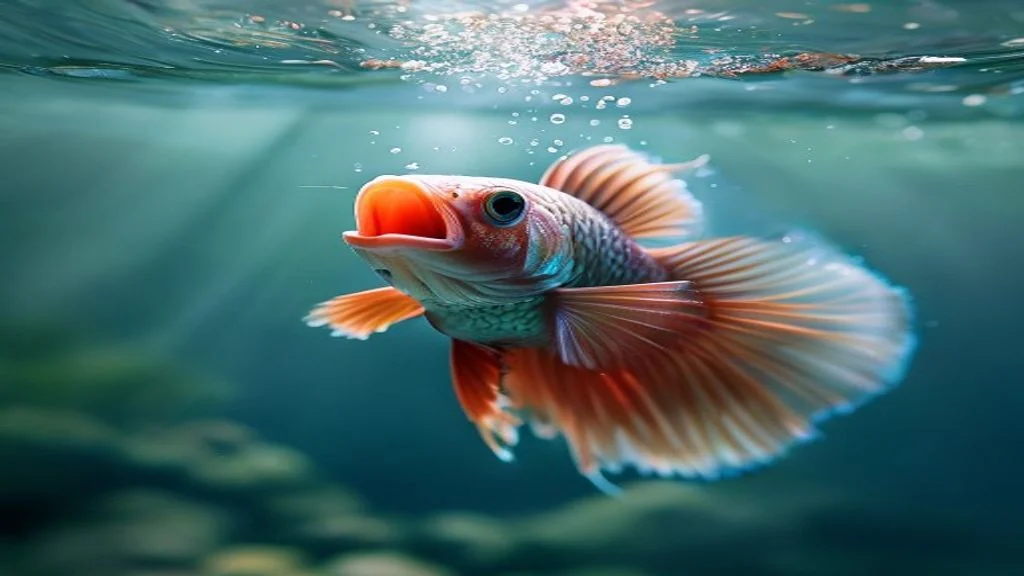
Betta gasping for air at the surface — or breathing heavily with rapid gill movement — is a warning sign that something in the environment or the fish’s gills is wrong, even though bettas normally take occasional surface gulps thanks to their labyrinth organ. This guide helps you quickly tell normal surface breathing from genuine

Betta Gasping for Air: 7 Causes of Heavy Breathing and How to Fix Each Read More »

How to Quarantine a New Betta: The Step-by-Step Hospital Tank Guide

How to Quarantine a New Betta: The Step-by-Step Hospital Tank Guide

Knowing how to quarantine a betta is the single highest-impact habit in the entire hobby — it prevents most of the diseases covered across this site by catching them in isolation before they ever reach your main tank. In this guide you’ll get the exact hospital-tank setup and equipment list, a step-by-step 4–6 week quarantine

How to Quarantine a New Betta: The Step-by-Step Hospital Tank Guide Read More »

Betta Medication Guide: Salt, Epsom Salt & Antibiotics (Without the Confusion)

Betta Medication Guide: Salt, Epsom Salt & Antibiotics (Without the Confusion)

This betta medication guide cuts through the single most dangerous source of confusion in fishkeeping: knowing which betta medicine to use, at what dose, and when not to medicate at all. You’ll learn exactly what aquarium salt, Epsom salt, antibiotics, and antifungals each do, the safe dosing for each, the critical carbon rule, which products

Betta Medication Guide: Salt, Epsom Salt & Antibiotics (Without the Confusion) Read More »