
Knowing how to revive a dying betta matters most when your fish is lying at the bottom of the tank, barely moving, not eating, or breathing weakly, because a “dying” betta is often far more recoverable than it looks, since the most common causes (ammonia poisoning, cold shock, low oxygen) are fast to fix if you act in the right order. This guide gives you the exact calm, ordered emergency sequence to revive a dying betta, how to triage whether there is realistic hope, the specific-disease decision table, what never to do in a panic, and how to make a humane decision if recovery isn’t possible. In an emergency, panic kills more bettas than the illness itself, so work the order below.
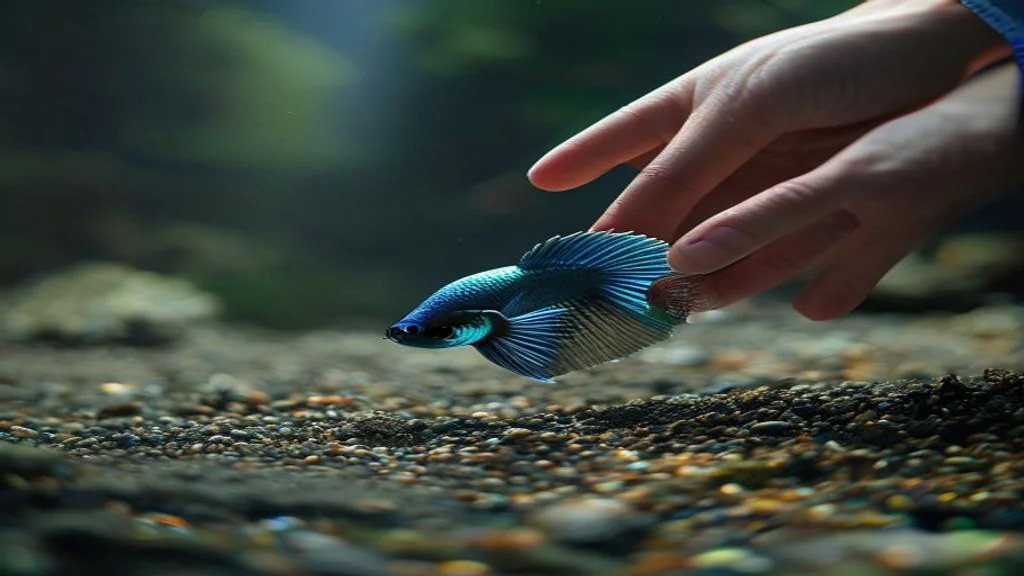
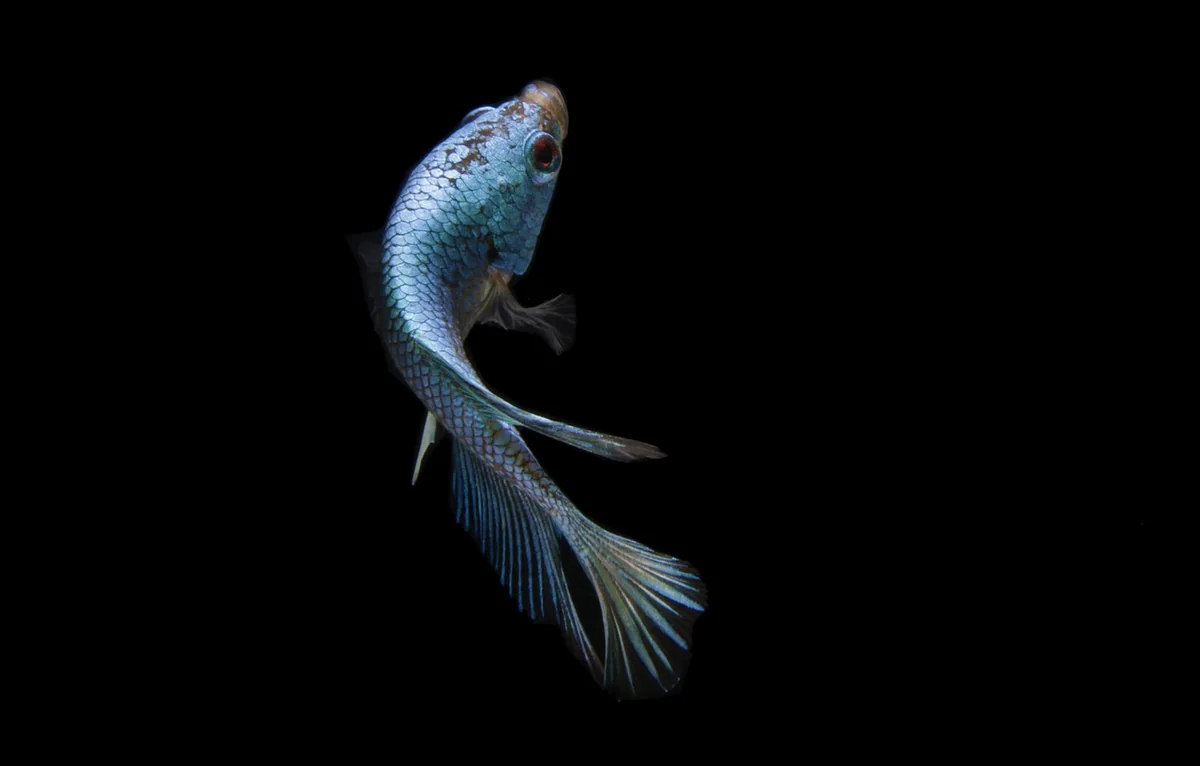
How to Revive a Dying Betta: Emergency Steps in Order
Step 1 — Test the water immediately
Ammonia or nitrite above 0 is the most common reason a betta suddenly crashes. If high, this is ammonia poisoning, act now (how to lower ammonia in a betta tank).
Step 2 — Big water change
Do an immediate 50% water change with dechlorinated, temperature-matched water. This simultaneously dilutes toxins and raises oxygen, it helps in almost every emergency.
Step 3 — Heat and oxygen
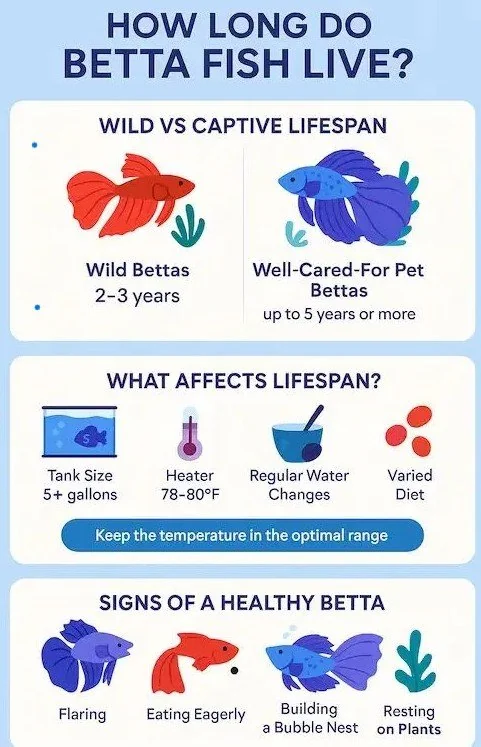
Confirm a stable 78–80°F (slow correction if it was cold, sudden change shocks them) and add surface agitation/air. Cold + low oxygen mimics “dying” and is fixable fast. See do bettas need a heater.
Step 4 — Move to a quiet hospital container
Warm, dechlorinated, dim, calm, minimal handling. Stress is now lethal; reduce everything. A simple setup is described in how to quarantine a new betta.
Step 5 — Identify the specific cause and treat
Now match symptoms to a disease and treat:
| What you also see | Likely | Go to |
|---|---|---|
| Pinecone scales, bloating | Dropsy | Dropsy |
| Red streaks under scales | Septicemia | Septicemia |
| White spots / gold dust | Ich / velvet | Ich / Velvet |
| Can’t swim level, bloated | Swim bladder/constipation | Swim bladder |
| Rotting/melting fins | Severe fin rot | Fin rot |
Medication principles and salt doses are in our betta medication guide.
Signs There’s Still Hope vs. Time to Be Kind
Hope: still responds to you, gill movement present, rights itself even briefly, attempts to eat. These often recover with the steps above.
What “Dying” Actually Looks Like in a Betta
Before acting, it helps to recognise the real warning cluster, because some alarming-looking behaviour is normal betta quirkiness and some is genuinely critical. A betta in true crisis typically shows several of these together:
- Lying on the bottom or wedged in decor for long periods, not just resting briefly.
- Not eating at all for more than a day, ignoring even favourite foods.
- Laboured, weak, or very slow gill movement, or gasping fixed at the surface.
- Loss of balance: listing, rolling, or unable to stay upright.
- Tightly clamped fins, faded colour, sunken eyes, or visible disease signs (pineconing, red streaks, fungus, spots).
- Little or no response to your hand, light, or movement near the tank.
One sign alone (a betta resting on a leaf, briefly napping) is usually nothing. Several of the above together is a genuine emergency that warrants the ordered response.
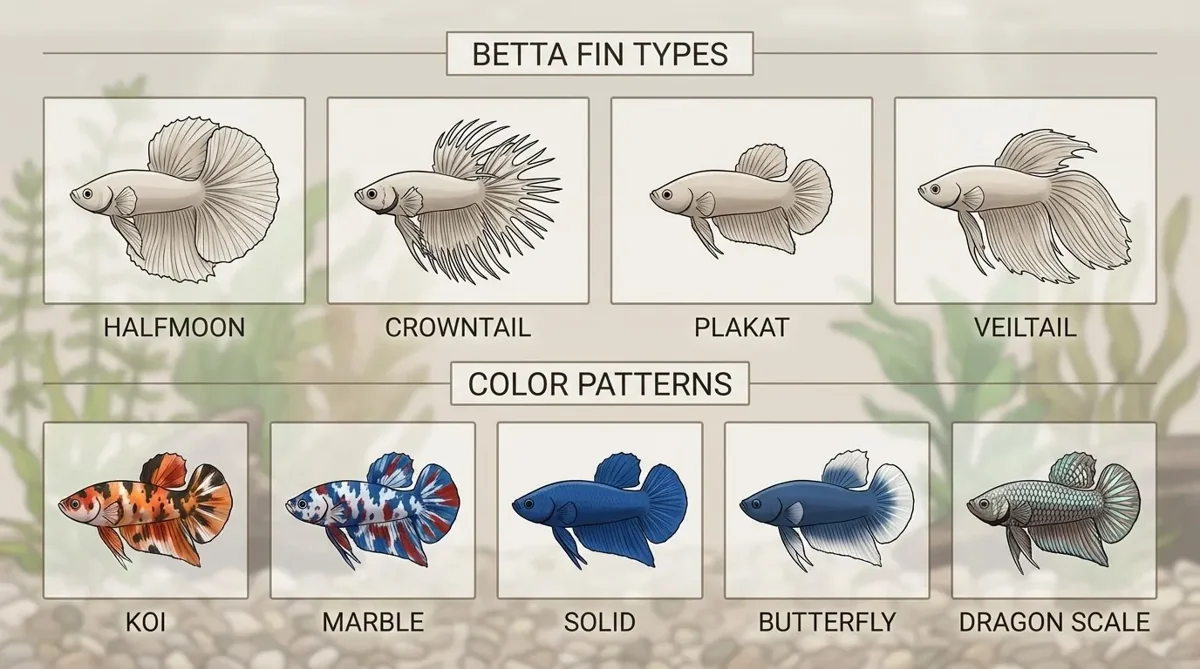
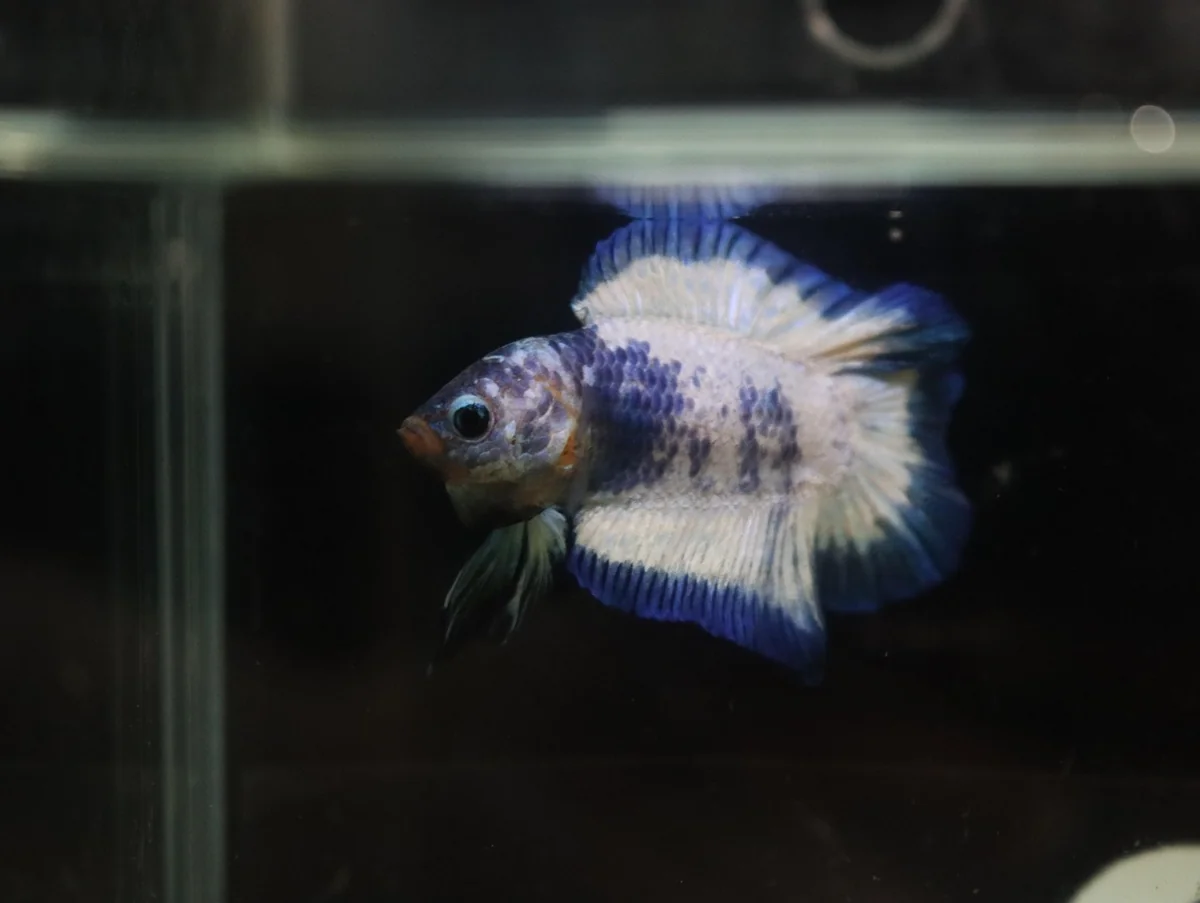
Setting Up an Emergency Recovery Container
If the main tank is the problem, or the fish needs intensive observation, move it to a calm recovery setup:
- Clean, dechlorinated, temperature-matched water at a stable 78–80°F, never colder than the tank it came from.
- Gentle aeration for oxygen without strong current that exhausts a weak fish.
- Dim and quiet. Cover part of the container, reduce light and noise, stress is now potentially lethal.
- Minimal handling. Net the fish once, calmly, with a soft net or a cup; repeated netting is dangerous.
- A lid. Even a weak betta can startle and jump.
- No carbon if you anticipate medicating once the cause is identified.
Specific Causes and What Saves the Fish
| Likely cause | Tell-tale signs | Priority action |
|---|---|---|
| Ammonia/nitrite poisoning | Uncycled/dirty tank, red or brown gills, sudden collapse | Big water change now; fix cycling |
| Cold shock | Cold water/failed heater, sluggish, bottom-sitting | Gradually restore 78–80°F |
| Low oxygen | Warm still water, all fish at surface | Surface agitation/air immediately |
| Advanced disease | Pineconing, red streaks, fungus, heavy spots | Stabilise, then targeted treatment |
| Severe stress/shock | Recent move, new water, handling | Quiet, dim, stable, minimal disturbance |
Aftercare for a Betta That Pulls Through
Surviving the crisis is only half the job, a recovered betta is fragile for days to weeks:
- Keep water pristine and temperature rock-steady; a recovering fish has no tolerance for swings.
- Reintroduce food gradually with small, high-quality portions once the fish is alert and interested again.
- Maintain a calm, dim, low-traffic environment while strength returns.
- Hold off on tank mates, plant changes, or rescaping until the fish is clearly stable.
- Once recovered, audit your husbandry honestly, a near-death event almost always traces to an unfixed environmental cause.
The Humane Decision: When Reviving Isn’t Kind
Part of responsible fishkeeping is recognising when continued treatment causes more suffering than benefit. Consider humane euthanasia when a betta is fully unresponsive, organs are clearly failing (advanced dropsy with severe pineconing), it cannot stay upright, and it is worsening despite correct, timely treatment. The widely accepted gentle method is a clove-oil overdose, which sedates the fish before it passes. Choosing to end prolonged suffering is not a failure of care, it is the final act of it, and it deserves the same compassion as every rescue attempt.
Hour-by-Hour: The First 24 Hours of a Rescue
Recovery is not instant, and knowing what a normal recovery curve looks like prevents two mistakes: giving up too early on a fish that is slowly turning the corner, and over-intervening on a fish that just needs calm and time.
| Time | What to do | What you are watching for |
|---|---|---|
| 0–1 hour | Test water, 50% dechlorinated temperature-matched change, confirm heat and add surface oxygen | Any easing of gasping; the fish responding even slightly |
| 1–4 hours | Keep the fish calm, dim, and undisturbed; do not feed or handle | Gill movement steadying; less listing; small position changes |
| 4–12 hours | Hold conditions perfectly stable; resist the urge to “do more” | Fish holding itself more upright; brief swimming attempts |
| 12–24 hours | Maintain pristine water and steady heat; identify the specific disease if symptoms remain | Renewed interest in surroundings; possibly first interest in food |
| Day 2 onward | If stabilising, begin targeted treatment for any identified disease; reintroduce tiny food only when clearly alert | Steady upward trend rather than relapse |
A betta that responds to the first water change and then trends gradually upward over 24 hours has a good chance. A fish that continues to decline despite correct, timely intervention, especially with pineconing or worsening organ signs, is telling you the prognosis is poor, and that informs the humane decision discussed above.
The Most Common Rescue Mistakes (and What to Do Instead)
- Mistake: throwing in multiple medications at once. This poisons an already-fragile fish and makes it impossible to know what (if anything) is helping. Instead: stabilise water, heat, and oxygen first; medicate only once, and only for a correctly identified disease.
- Mistake: a sudden hot-water “rescue” for a cold fish. A rapid temperature swing is its own severe shock. Instead: raise temperature gradually back to a stable 78–80°F.
- Mistake: continuing to feed. A sick fish will not eat, and the food rots and spikes ammonia in the exact water you are trying to clean. Instead: withhold food until the fish is alert and interested again, then offer a tiny amount.
- Mistake: repeatedly netting the fish to “check on it”. Every capture is a major stress hit. Instead: move it once into the prepared recovery container, then observe without handling.
- Mistake: treating the symptom and skipping the cause. A revived betta whose tank is still uncycled or unheated will simply crash again. Instead: once stable, audit and fix the environment against how to prevent betta diseases.
- Mistake: giving up too soon. Bettas are remarkably tough; many that look almost dead recover fully once water and temperature are fixed. Instead: if there is gill movement and any response, run the full ordered protocol before concluding it is hopeless.
Nearly every fatal “I tried everything” emergency is actually “I did many things, fast, in the wrong order”. The order is the rescue.
Preventing the Next Emergency: The Real Lesson
A betta that needed reviving is, by definition, telling you the routine failed somewhere. Surviving the crisis is only half the job, the other half is making sure you never repeat it. Once the fish is genuinely stable, work through this honest post-incident audit:
- Was the tank cycled? An uncycled tank is the single most common reason behind a sudden collapse. Confirm with a test kit and fix it.
- Was the heater working and stable? Cold shock from a failed, absent, or undersized heater is a leading cause. Verify against a separate thermometer over a full day.
- Was the tank an adequate size? Small volumes swing fast and turn minor lapses into emergencies.
- Had water changes actually been kept up? Skipped maintenance is the quiet cause behind most “sudden” crashes that were really slow declines.
- Was the fish being overfed? Overfeeding fouls water and causes the constipation and swim bladder problems behind many buoyancy emergencies.
- Was there a recent un-quarantined addition? A newcomer can introduce a disease that flares into an emergency days later.
An emergency almost always traces to one fixable environmental failure. The best revival is the one you never have to perform, and a single honest audit after a near-death event is what separates a one-time scare from a recurring tragedy. The full preventive framework is in how to prevent betta diseases.
Sources & Further Reading
Bettafish.org, emergency & disease library; Aquarium Co-Op, ammonia/emergency guidance; The Spruce Pets (vet-reviewed), sick betta care; Merck Veterinary Manual, Emergency care & humane euthanasia of fish.
Frequently Asked Questions
How do you revive a dying betta fish?
Test the water, do an immediate 50% dechlorinated temperature-matched water change, confirm 78–80°F heat and surface oxygen, move it to a quiet warm hospital container, then identify and treat the specific cause.
Why is my betta lying at the bottom not moving?
Most often ammonia poisoning or cold water, sometimes advanced disease like dropsy or septicemia, or severe stress. Check water and temperature first.
Can a betta recover after looking almost dead?
Yes, bettas are tough. If it still responds, has gill movement, and the cause (often water/cold) is fixed quickly, recovery is common.
Should I feed a dying betta?
No, not while it’s not eating, uneaten food fouls the water and worsens things. Stabilise water, heat, and oxygen first.
When should I euthanize a suffering betta?
If it’s fully unresponsive with failing organs and worsening despite correct treatment, humane euthanasia with clove oil prevents prolonged suffering.
Is my betta dead or just resting?
Look for gill movement, eye movement, and any response to gentle stimulus or light, a resting or sleeping betta still breathes and reacts, while no gill movement and total unresponsiveness over time indicate death. Bettas do nap on leaves and the substrate, so brief stillness alone is not a reliable sign.