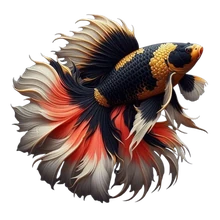
A betta losing color, fading, turning pale, washing out, or shifting to white or black, is very often completely harmless, especially when it’s the natural marble gene at work. The key skill is telling normal genetic color change apart from a stress, water-quality, or disease warning. This guide explains all seven causes of a betta losing color, gives you a clear normal-versus-problem comparison, the deciding behavioural test, an action checklist, and how diet and age affect pigment. If the only thing that changed is color and your betta is still bright-eyed, eating, and active, you can usually relax.
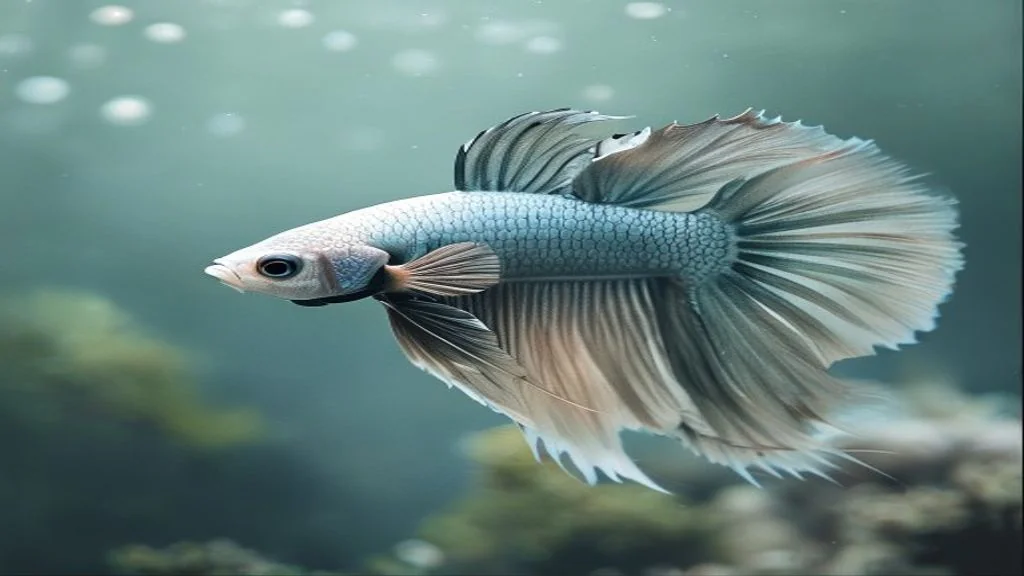
Normal Colour Change vs. a Problem
| Likely NORMAL | Likely PROBLEM |
|---|---|
| Gradual shift, colours moving/changing (marble gene) | Rapid pale-out / “washed” look |
| Fish eating, active, fins open | Plus lethargy, clamped fins, not eating |
| Colour changes to a new colour | Colour fades toward white/grey with other symptoms |
| Ageing fish slowly mellowing | Spots, fuzz, redness appear too |
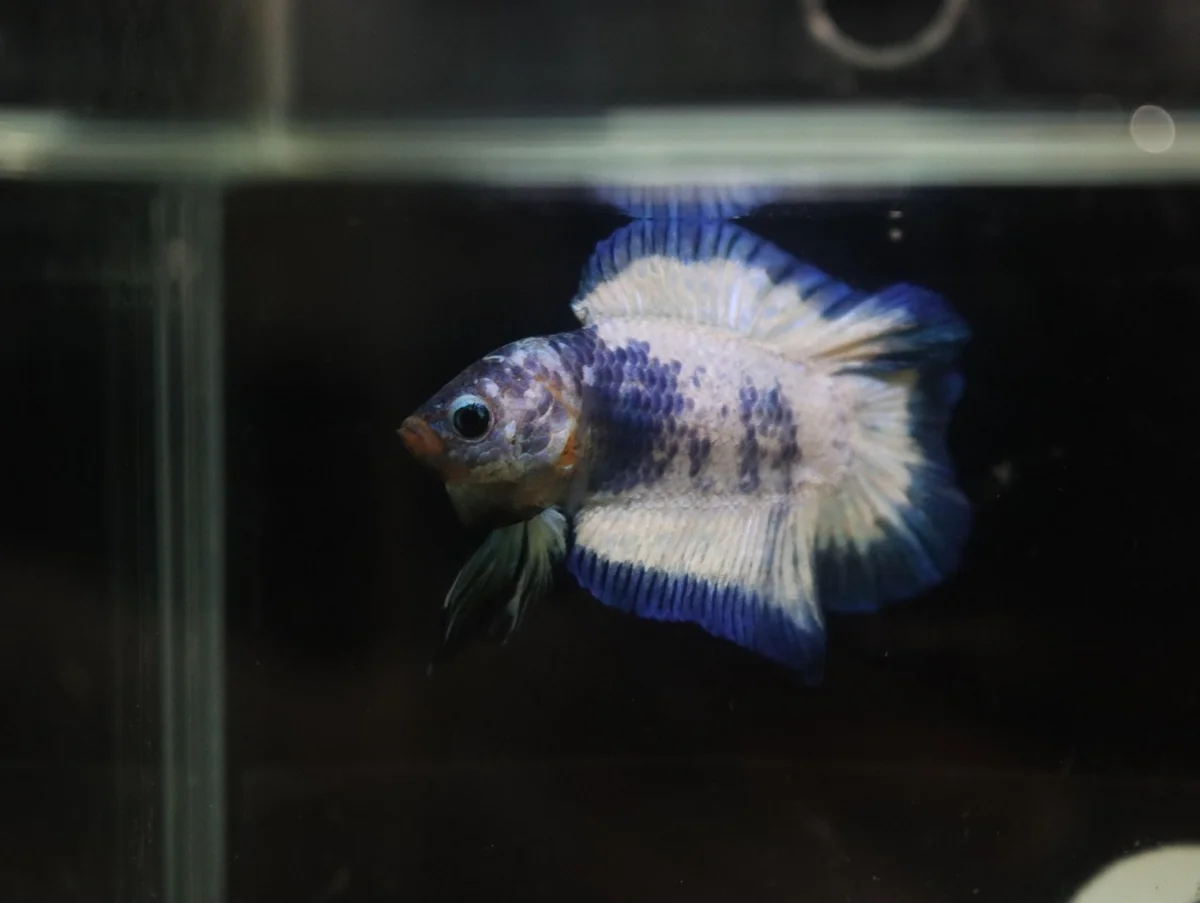
Marble bettas have “jumping genes” (transposons) and naturally change colour for life, that’s genetics, not illness. If the only change is colour and the fish is otherwise the picture of a healthy betta, relax and keep observing.
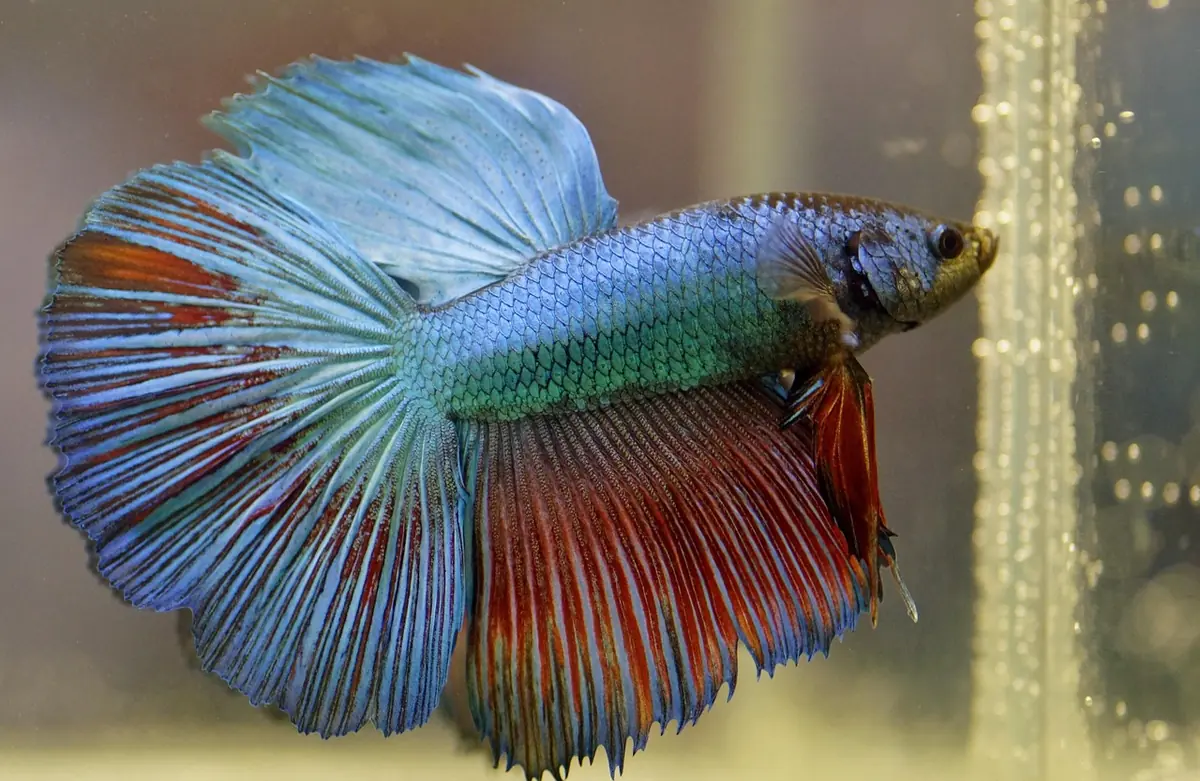
What To Do When Your Betta Is Losing Color
- Test water; do a 25–50% dechlorinated, temp-matched change, repeat daily until stable.
- Confirm stable 78–80°F heat.
- Check for disease signs (spots, fuzz, clamped fins). If present, treat that disease.
- Improve diet variety and reduce stressors (hides, calmer environment).
- If healthy and just changing colour → it’s likely the marble gene; no action needed.
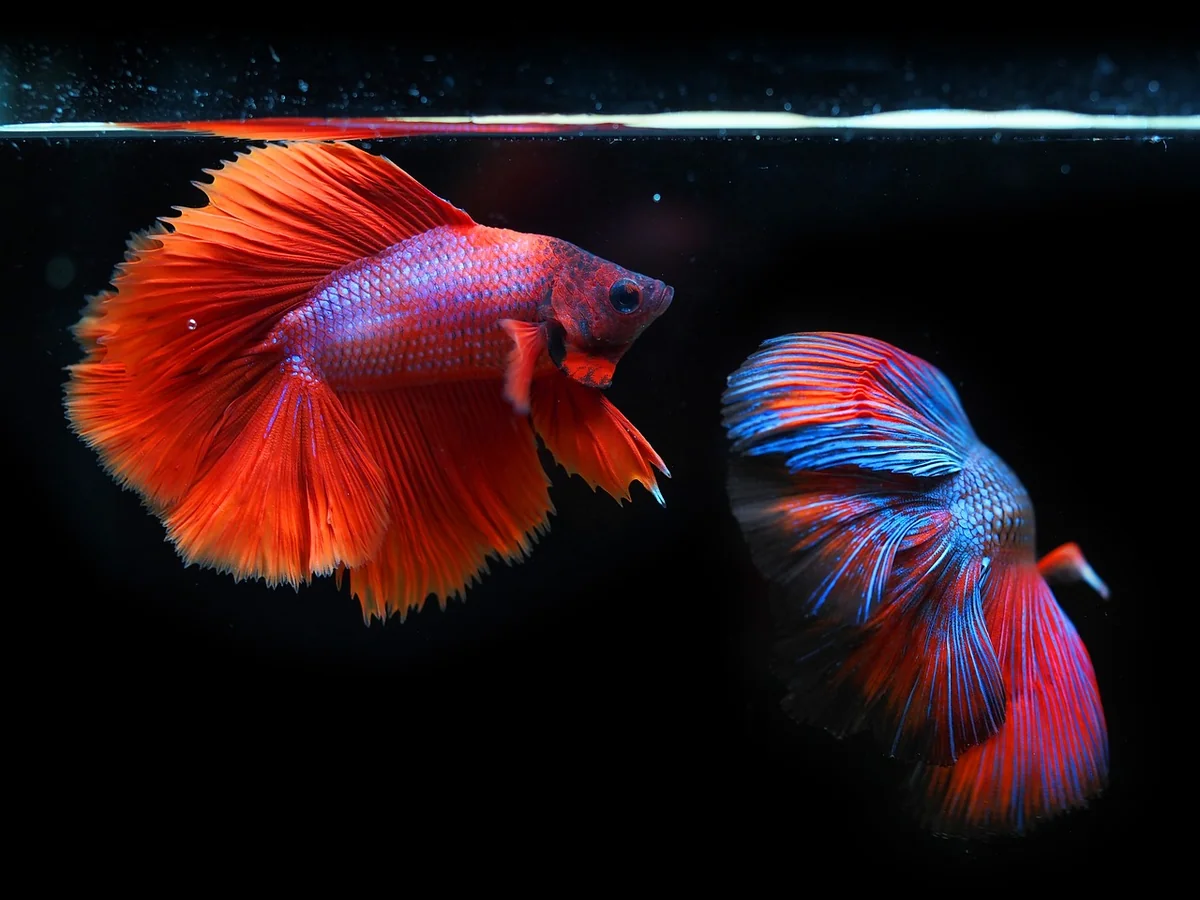
The Marble Gene: Why “Losing Colour” Is Often Good News
Before you treat anything, rule out the happiest cause: genetics. A large share of “my betta is losing colour!” cases are actually the marble gene at work, and that fish is perfectly healthy.
| Marble gene (normal) | Problem fading | |
|---|---|---|
| Pattern | Colour shifts/moves, new colours appear | Colour washes out toward pale/grey |
| Speed | Gradual, ongoing for life | Often fairly rapid |
| Behaviour | Eating, active, fins open | Lethargic, clamped, poor appetite |
| Action | None, enjoy the change | Investigate water/temp/disease |
Marble bettas carry “jumping genes” (transposons) that relocate pigment for life, the colours don’t fade, they transform. If the fish is otherwise the picture of a healthy betta, relax and enjoy the show.
Stress-Pale vs. Disease-Fade: The Deciding Test
When it is a problem, the next question is whether it’s reversible stress or active disease. Behaviour decides it:
- Stress/cold pale-out: a rapid overall wash-out but the fish still behaves fairly normally. It reverses once water and temperature are fixed, check the heater and do a water change first (ammonia).
- Disease fade: colour loss plus spots, fuzz, clamped fins, or appetite loss. Match to a disease, white grains → ich; gold dust → velvet.
- Age mellowing: older bettas naturally soften in colour, normal, see lifespan.
- Diet dullness: a poor or monotonous diet dims pigment over weeks; richer varied food restores it (best live foods).
Decision rule: bright-eyed, eating, active + colour change → likely genetics/age (no action). Faded + lethargic/clamped/not eating → treat it as a health flag and work the water-first checklist.
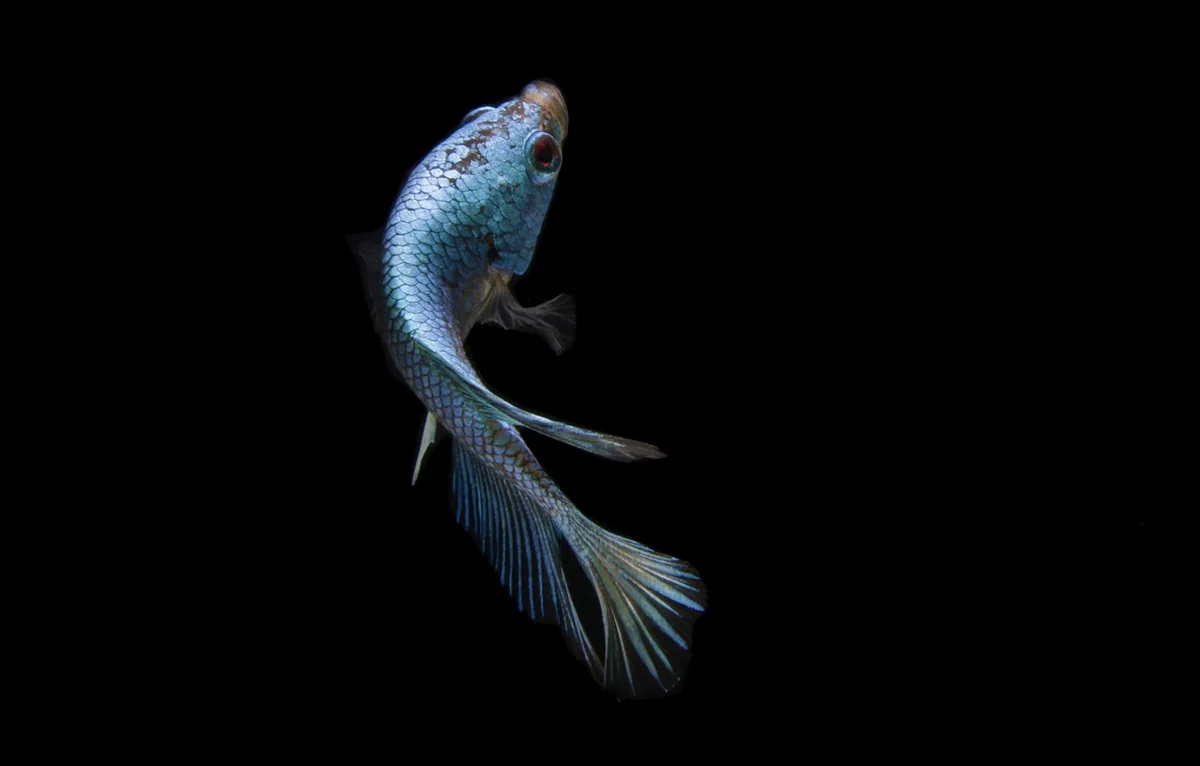
How Betta Color Actually Works (The Biology)
Understanding why bettas have colour explains why it can change. Betta colouration comes from layered pigment cells called chromatophores in the skin: black/brown (melanophores), red/yellow (erythrophores and xanthophores), and the structural iridescent layer (iridophores) that produces the blue, green, and metallic sheen. These cells can expand and contract, and their pigment can be lost, masked, or relocated. That is why a stressed betta can pale within minutes (pigment cells contracting), why poor health drains vibrancy (the fish diverts resources from pigment), and why marble bettas continuously transform (genetic elements relocating pigment for life). Colour is not fixed paint, it is a living, responsive system, which is exactly why it is such a useful health indicator.
Each Cause in Detail
1. Stress (the most common)
Acute stress causes rapid, overall paling, sometimes within minutes, as pigment cells contract. Triggers include a new environment, water-quality problems, aggressive tank mates, constant disturbance, or rough handling. Stress paling typically reverses once the stressor is removed and conditions stabilise. Often accompanied by horizontal stress stripes.
2. Cold or unstable temperature
Bettas are tropical fish; below about 76°F their metabolism slows and colour dulls noticeably. A stable 78–80°F usually restores vibrancy within days once corrected.
3. The marble gene (harmless genetics)
Marble bettas carry transposons (“jumping genes”) that relocate pigment throughout the fish’s life. Their colour transforms, new patches appear, others recede, rather than simply washing out. This is normal and the fish remains perfectly healthy.
4. Ammonia and poor water quality
Chronic ammonia or nitrite both stresses the fish and damages tissue, draining colour and dulling the fish over time. This is a genuine warning that the environment needs correcting.
5. Illness
Many diseases sap colour as the fish redirects energy to fighting infection. The clue is colour loss plus other symptoms, white spots (ich), gold dust (velvet), grey patches (columnaris), or general lethargy and clamped fins.
6. Old age
Like many animals, older bettas naturally mellow in colour as they approach the end of their lifespan. This gradual, symptom-free softening is normal ageing.
7. Poor or monotonous diet
Pigment maintenance depends on good nutrition. A low-quality or unvaried diet dims colour over weeks; a varied, high-quality diet with colour-supporting foods gradually restores it.
Step-by-Step: Diagnosing the Cause
- Assess behaviour first. Is the betta eating, active, and finning normally, or lethargic with clamped fins and poor appetite? Behaviour is the single best discriminator between harmless and concerning colour change.
- Look at the pattern of change. Colour shifting into new colours suggests the marble gene; an overall wash-out toward pale or grey suggests stress, cold, or illness.
- Test the water. Ammonia and nitrite must be 0. Any reading is a likely cause and a clear action item.
- Check temperature. Confirm a stable 78–80°F; cold or swinging temperatures dull colour quickly.
- Scan for disease signs. Spots, fuzz, redness, or filmy patches mean treat the specific disease.
- Review diet and age. A monotonous diet or an older fish explains a slow, symptom-free fade.
Common Mistakes With a Fading Betta
- Medicating a healthy marble betta. Treating normal genetic colour change stresses a perfectly healthy fish, check behaviour before reaching for medication.
- Ignoring a rapid wash-out. Sudden overall paling with behaviour changes is a real stress or water warning, not just “his colour”.
- Skipping the water test. Chronic ammonia is a frequent, fixable cause of dulling that’s invisible without testing.
- Blaming diet for a sudden change. Diet-related fading is gradual over weeks; a rapid change points to stress, cold, or illness.
- Missing concurrent disease signs. Colour loss alongside spots or fuzz means a specific disease needs treating, not just better conditions.
Colour Change by Direction: What Each Shift Usually Means
Owners describe “losing colour” to mean very different things, and the specific direction of the change is one of the strongest clues to whether it is harmless or a warning. Use this as a quick first read before anything else.
| What you actually see | Most likely explanation | Concern level |
|---|---|---|
| Bright colour washing out evenly toward pale/grey, fairly fast | Stress or cold (pigment cells contracting) | Act on it, usually reversible once water/heat fixed |
| Colour shifting, new patches appearing, old ones receding, over weeks/months | Marble gene (harmless genetics) | None, this is normal lifelong change |
| Slow, even dulling over many weeks with no behaviour change | Diet or natural ageing | Low, improve diet; age change is normal |
| Patchy fading plus white grains, gold dust, fuzz, or film | Disease (ich, velvet, columnaris, etc.) | High, identify and treat the specific disease |
| Going darker / new black areas, gradual, fish acting normal | Marble gene relocating pigment | None, harmless if behaviour is normal |
| Going darker with clamped fins, lethargy, or other symptoms | Stress or illness onset | Investigate water, temperature, and disease signs |
The two questions that resolve most cases: is the colour washing out evenly (often stress/cold/illness) or shifting and relocating (marble genetics)? And is the fish otherwise behaving completely normally? Those two reads alone correctly sort the large majority of “my betta is losing colour” worries.
How Long Until the Colour Comes Back?
When the cause is fixable, owners want to know how long to expect, and unrealistic expectations cause people to either panic or over-intervene. Here is a realistic timeline by cause:
| Cause | Typical timeline once corrected | Notes |
|---|---|---|
| Stress paling | Often within hours to a few days | Reverses quickly once the stressor is genuinely removed |
| Cold-water dulling | A few days after stable 78–80°F is restored | Restore heat gradually, not with a sudden jump |
| Ammonia/poor water | Days to a couple of weeks after water is corrected and kept clean | Tissue needs time to recover, not just the water |
| Diet-related dullness | Several weeks of improved varied feeding | Pigment is rebuilt slowly through nutrition |
| Disease-driven fade | Returns gradually as the fish recovers from the treated disease | Colour follows recovery, it does not lead it |
| Marble gene / ageing | Permanent, does not “come back” | Not a problem to fix; the fish is healthy |
The key expectation to set: stress and cold colour loss can rebound impressively fast, water- and diet-related dullness take longer, and genetic or age changes are permanent and perfectly fine. Patience plus stable conditions does most of the work, repeatedly “trying things” usually just adds stress and slows recovery.
Tank Background, Lighting, and the “Is It Really Fading?” Illusion
Before treating anything, rule out the possibility that the fish has not actually changed at all. A surprising number of “my betta lost its colour” reports are perception, not pigment.
- Lighting. A betta looks dramatically different under bright white light versus dim or warm light. Always judge colour under the same consistent lighting before concluding it has faded.
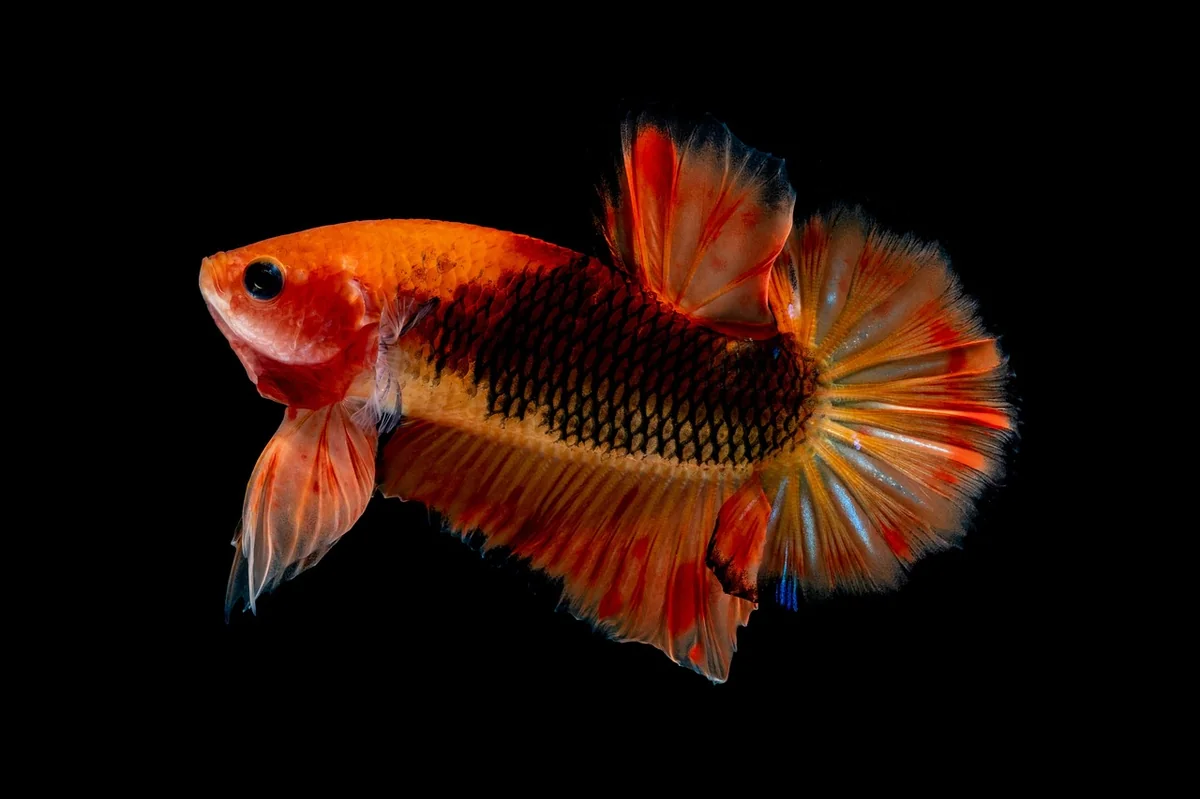
- Tank background. Fish adjust their apparent colour to their surroundings. A betta against a bright or bare background often looks paler than the same fish against a dark background, this is normal adaptive colouration, not illness.
- Time of day and rest. Bettas pale while sleeping or resting and re-colour when active. A fish that “looks washed out” first thing in the morning may be perfectly vivid an hour later.
- Comparison bias. Memory exaggerates. The fish in the store under bright display lights, freshly excited, looked more intense than it does relaxed at home. Compare against your own dated photos, not your memory.
- Glass and water clarity. Slightly tinted water (tannins from driftwood) or a film on the glass can mute apparent colour without anything being wrong with the fish.
The reliable test, again, is a dated photo taken in the same spot and the same light every week. If consistent photos show genuine change, then work the cause checklist. If they do not, the fish is fine and you have saved it the stress of needless intervention.
Diet for Colour: What Actually Supports Pigment
Because diet is one of the seven causes and the most controllable, it is worth detailing what genuinely helps. Pigment maintenance is a nutritional process, and a poor or monotonous diet dims a betta over weeks.
- A quality staple as the foundation. A high-grade betta-specific pellet formulated for carnivores should be the base of the diet, not generic flake. The protein and nutrient profile directly supports tissue and pigment.
- Variety drives vibrancy. Rotating in foods such as bloodworms, brine shrimp, and daphnia provides a broader nutrient range than any single food. Monotony is a common quiet cause of slow dulling.
- Colour-supporting nutrients. Foods containing natural carotenoid-type pigments support reds and oranges in particular; many quality betta foods are formulated with this in mind. The effect is gradual, over weeks, not overnight.
- Do not overfeed chasing colour. More food does not mean more colour, it means constipation, swim bladder issues, and fouled water that worsens appearance. Small portions, varied, with a weekly fast day.
- Freshness matters. Stale, long-opened food loses nutritional value; pigment support depends on the food actually still being nutritious.
Realistic expectation: dietary colour improvement is slow and subtle, measured in weeks of consistent good feeding, not a quick fix. If colour loss is sudden, diet is almost certainly not the cause; look to stress, cold, water quality, or disease instead.
When Colour Loss Is Genuinely an Emergency
Most colour change is harmless or slow. But a few combinations are genuine red flags that warrant immediate action rather than patient observation:
- Rapid wash-out plus refusing food and lethargy. This points to a significant stressor or developing disease, not benign genetics, test water and check temperature now.
- Fading alongside visible disease signs. White grains (ich), gold dust under a torch (velvet, fast and dangerous), grey film (columnaris, an emergency), or fuzzy patches mean treat the specific disease without delay.
- Colour loss with clamped fins, sitting on the bottom, or laboured breathing. The colour is now the least of the problem; this is a sick fish needing the water-first emergency response.
- Sudden dramatic change after a water change or new addition. Suggests a parameter swing or an introduced stressor/pathogen, review what just changed.
The decision rule stays the same throughout this guide: colour change with normal behaviour is usually genetics, age, or a quick stress reaction, relax and observe. Colour change with lethargy, appetite loss, clamped fins, or disease signs is a health warning, work the water-first checklist and match symptoms to the specific disease guides promptly. Because a betta losing color is so often stress-driven, also read betta stress stripes and betta clamped fins, and keep the whole tank healthy with how to prevent betta diseases.
Sources & Further Reading
Aquarium Store Depot, Betta Fish Losing Color: 7 Reasons; AquAnswers, betta colour change; Betta Care Fish Guide, fading betta; Merck Veterinary Manual, Stress & integument changes in fish.
Frequently Asked Questions
Why is my betta losing its color?
Most often stress or cold water (rapid paling), or the harmless marble gene (colour changes rather than fades). Ammonia, illness, age, and poor diet are other causes.
Is my betta losing color due to stress or illness?
Stress-paling usually comes with normal behaviour and reverses when water/temperature is fixed. Illness fading comes with lethargy, clamped fins, appetite loss, or spots/fuzz.
Do betta fish change color naturally?
Yes. Marble bettas have jumping genes and change colour throughout life. This is genetics, not disease, and the fish stays healthy.
Can a betta get its color back?
Often yes, colour from stress, cold, or poor water usually returns once conditions are corrected. Genetic (marble) change is permanent but harmless.
Why is my betta turning white?
Stress and cold are common; also check for ich (white spots) or columnaris (grayish patches). Rule out disease, then fix water and temperature.
Why is my betta turning black or getting dark patches?
New black or dark patches are very often the harmless marble gene relocating pigment, especially if they appear and shift gradually while the fish stays active and eating. If the darkening comes with lethargy, clamped fins, or other symptoms, treat it as a possible health flag and check water and temperature.