The heater just died, it is 11 p.m., the shops are shut, and the tank is dropping a degree every hour — that is the exact scenario this guide is written for. You can absolutely keep a betta warm without a heater for a night or two using safe, controlled methods, but only if you understand that every one of them is a temporary bridge, not a solution. Below is the calm, step-by-step emergency plan, the methods ranked by how well they actually work, and the mistakes that turn a manageable problem into a dead fish.
First: This Is a Temporary Fix
Bettas are tropical and need a stable 78–80°F, which only an adjustable heater reliably provides (do bettas need a heater). The methods below buy time during a heater failure or while one ships — they are not a lifestyle. Order a heater the same day.
Safe Ways to Keep a Betta Warm Without a Heater
| Method | How | Caution |
|---|---|---|
| Warmest room | Move tank to the warmest, draft-free room | Avoid sudden moves/temperature jumps |
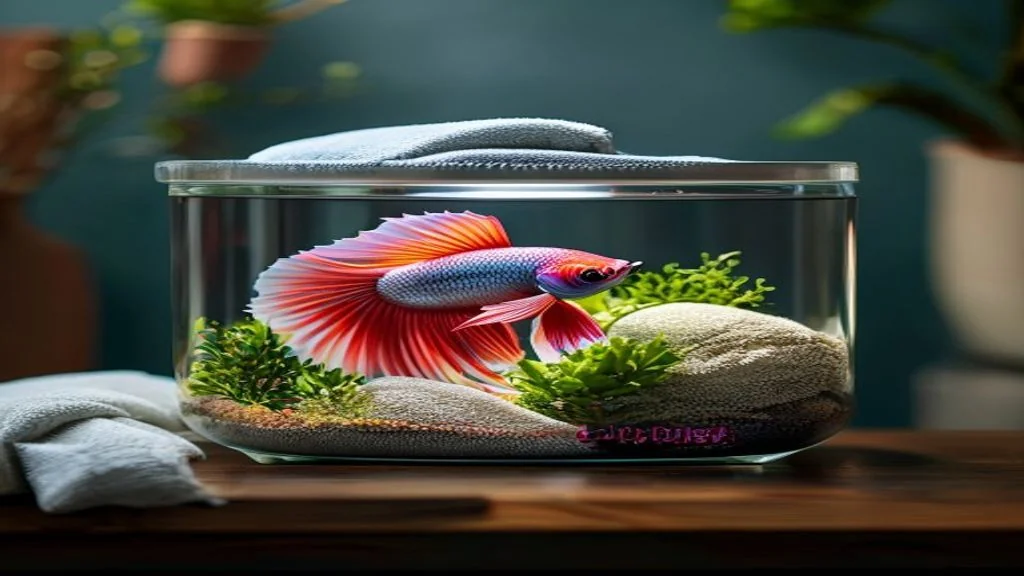
| Insulate the tank | Wrap towels/blanket around sides & back; keep lid on | Don’t seal off air exchange completely |
| Floating warm-water bottles | Float sealed bottles of warm (not hot) water; swap as they cool | Use clean bottles; change gradually so temp doesn’t swing |
| Tank light | A low-heat light adds a little warmth during the day | Don’t overheat or run 24/7 |
| Smaller water volume near a warm source | Helps a small tank hold heat near (not on) a warm appliance | Never place on/near a stove, radiator, or direct heat — overheating risk |
What NOT To Do
- Don’t pour hot water straight into the tank — causes dangerous temperature shock (change temperature safely).
- Don’t place the tank on a heater/radiator/stove — easy to overheat (too hot).
- Don’t use a household heating pad meant for people unless specifically aquarium-safe and monitored.
- Don’t treat this as permanent — get a proper heater.
Why Each Method Works (and Its Limit)
Understanding the “why” stops you from over-doing any single trick:
| Method | Why it works | Its limit |
|---|---|---|
| Warmest room | Higher ambient air slows heat loss from the tank | Still follows room temperature swings day/night |
| Insulation (towels) | Traps existing heat, slows the drop | Only slows cooling — doesn’t add heat |
| Warm-water bottles | Transfers gentle heat into the water | Cools fast — needs swapping every 30–60 min |
| Tank light | Bulb gives off mild warmth while on | None at night; can’t run 24/7 safely |
None of these is stable — that’s the whole point. They buy time, they don’t solve the problem. A real adjustable heater is the only reliable answer (do bettas need a heater).
A Realistic Emergency Timeline
- Hour 0 (heater dies): Don’t panic. Move tank to the warmest room, lid on, insulate the sides.
- Hour 0–1: Start floating sealed warm-water bottles; place a thermometer where you can see it.
- Ongoing: Swap bottles before they cool; aim for a steady 76–80°F, never letting it swing fast.
- Same day: Order/buy a replacement heater — this is the actual fix, not the bottles.
- Heater arrives: Install it, let it stabilise, then return to normal care.
Small Tank vs. Big Tank in an Emergency
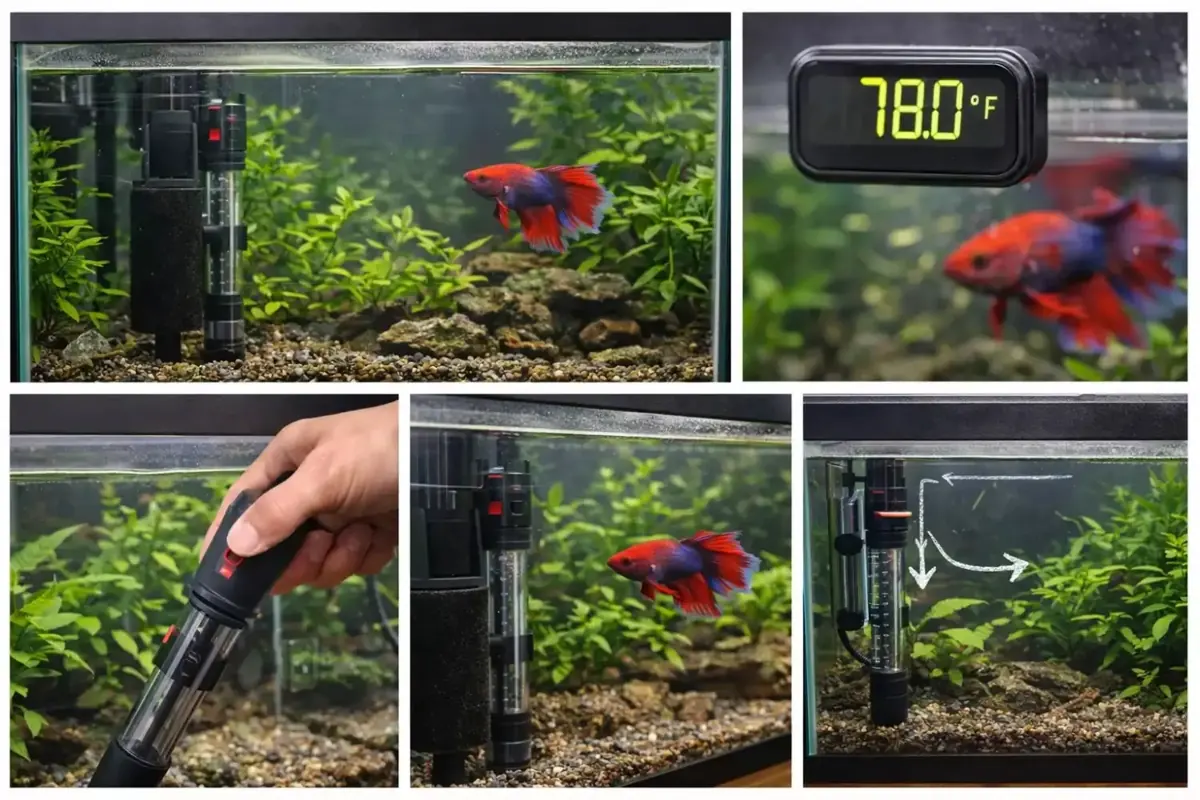
Counter-intuitively, a larger tank is easier to keep stable without a heater — more water holds temperature longer and resists swings. A tiny bowl loses and gains heat within minutes, making no-heater care almost impossible to do safely. This is one more reason small bowls fail bettas (see beginner mistakes and the tank size guide). Temperature is one line on the full betta water parameters chart; once the crisis passes, dial in a stable reading with the ideal betta water temperature guide and watch for betta water too cold symptoms.
Methods Ranked: What Actually Buys the Most Time
Not all emergency methods are equal. If you can only do one or two things, do the ones at the top of this list — they give the most stable result for the least risk.
| Rank | Method | Effectiveness | Risk if misused |
|---|---|---|---|
| 1 | Warm the whole room (space heater in the room, not on the tank) | Best — stable, hands-off, no swing | Low |
| 2 | Insulate tank with towels/blanket + keep lid on | High — dramatically slows heat loss | Low (don’t fully seal airflow) |
| 3 | Move tank to the warmest room | Good — but still follows that room’s swings | Low (move gently) |
| 4 | Floating sealed warm-water bottles | Moderate — needs constant swapping | Medium (swings if neglected) |
| 5 | Tank light left on a bit longer | Low — minor daytime warmth only | Medium (none at night; can overheat tiny tanks) |
The single most reliable trick is warming the room, because it heats the air the tank sits in and produces no sudden water swings. Everything that touches the water directly (bottles, water changes) carries swing risk and must be done in small, watched increments.
Step-by-Step: The Warm-Water-Bottle Method Done Correctly
This is the most-used emergency trick and also the most-botched. Done right it is safe; done carelessly it shocks the fish:
- Use a clean, sealed plastic bottle. Never an open container, and never glass that could crack.
- Fill with warm tap water, not hot. Aim for water that feels comfortably warm to the wrist — roughly bath temperature, not steaming.
- Float it, do not submerge contents. Let the sealed bottle float at the surface so heat transfers slowly and evenly.
- Watch the thermometer. The goal is to slow the fall and gently hold 76–80°F, not to rapidly heat. If the tank rises faster than ~1–2°F per hour, remove the bottle.
- Swap every 30–60 minutes. A cooled bottle does nothing; set a timer so you do not forget overnight.
Power-Outage Scenario (heater fine, electricity is out)
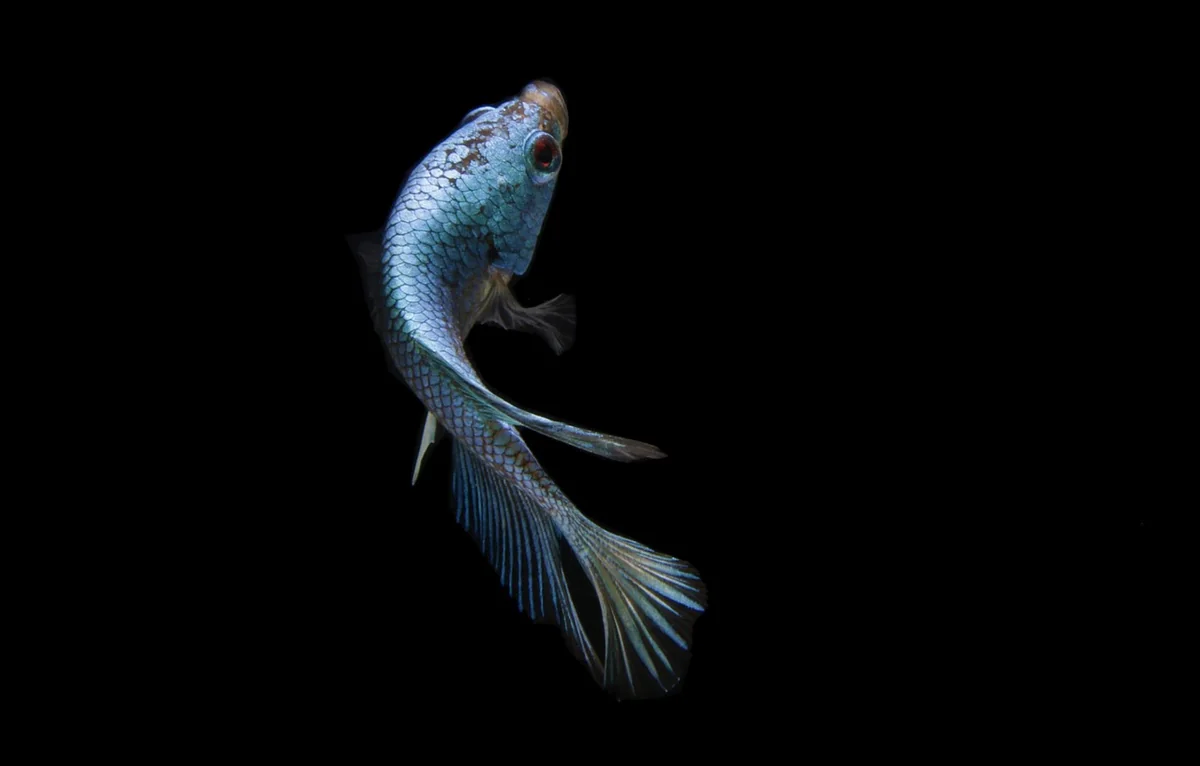
A power cut is different from a broken heater — the equipment works, there is just no power, so the priority shifts to pure heat retention. Do not open the lid or do water changes; every disturbance loses heat. Wrap the tank fully in blankets, including the top (leaving a small gap for air), and move it away from windows and exterior walls. A betta tank well insulated can hold a safe temperature for many hours even in a cold house. Save battery-powered air or a manual approach for oxygen only if the outage runs long and the tank is heavily stocked; for a single betta in a reasonable volume, heat retention is the main concern, not oxygen, in the first several hours.
How Cold Is Too Cold to Wait? (decision guide)
Use the thermometer to decide how aggressively to act, so you neither under-react nor over-correct:
| Current temp | What to do |
|---|---|
| 76–80°F | You are fine. Maintain with insulation; just hold the line until a heater is running. |
| 73–75°F | Add active methods (room heat, bottles). Not urgent yet but trending wrong. |
| 70–72°F | Act now: room heat + insulation + bottles together. Watch closely. |
| Below 70°F | Emergency. Combine all gentle methods and raise slowly — never rush it up with hot water. |
Whatever the starting point, the recovery rate rule never changes: bring it up no faster than ~1–2°F per hour, exactly as in change betta water temperature safely.
Why Slow Cooling Hurts a Betta (the science, simply)
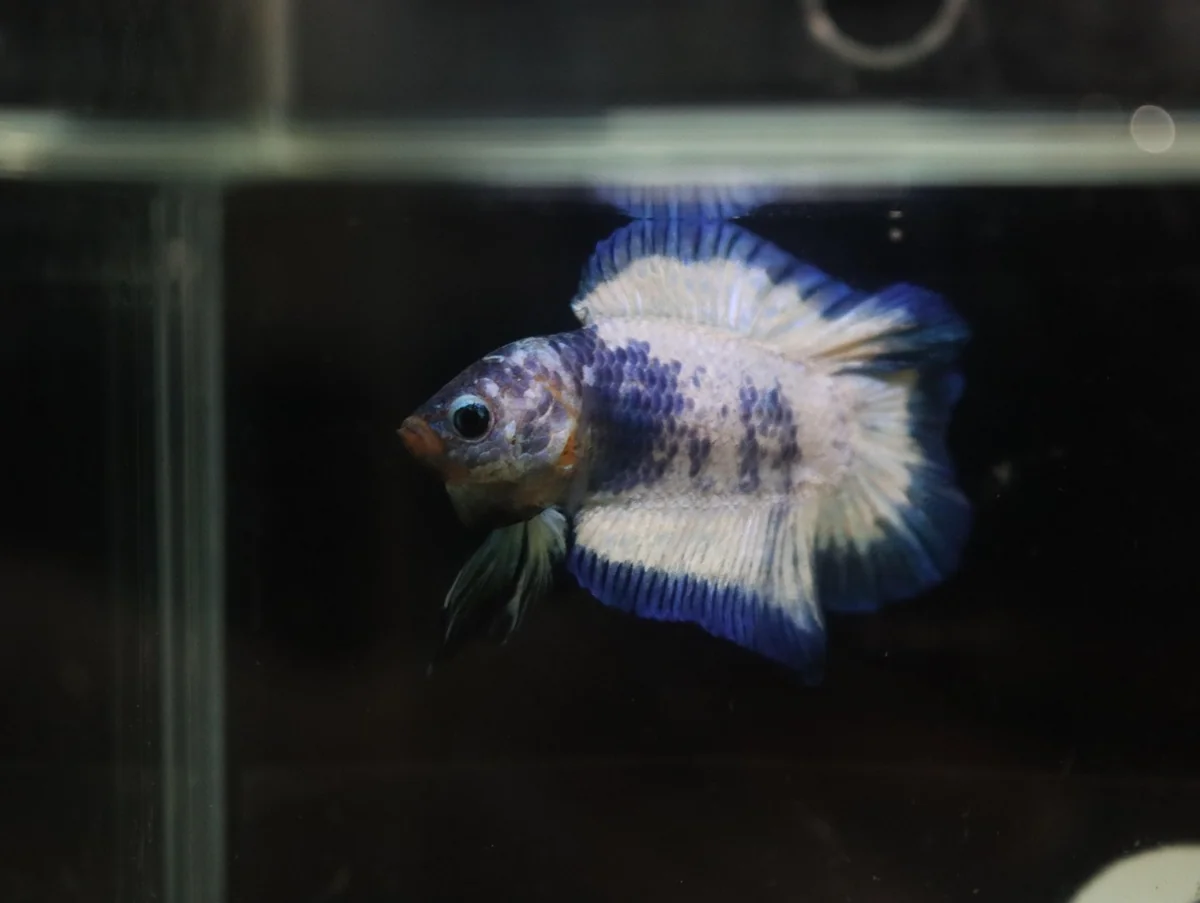
It is worth understanding exactly what cold does to a betta, because that is what turns “I’ll deal with the heater tomorrow” into “I need to act tonight”. A betta is ectothermic — it has no internal furnace, so its body temperature simply equals the water’s. Every chemical reaction in the fish, from digesting food to fighting infection, runs slower as the water cools. By the low 70s a betta’s metabolism is noticeably depressed: it becomes sluggish, sits on the bottom, stops eating, and digests poorly (undigested food in a cold gut is a real cause of bloating and constipation). The more dangerous part is invisible. A betta’s immune system slows in cold water at the same time that two common pathogens — the ich parasite and various opportunistic bacteria — become more active in cooler temperatures. That combination, a weakened fish meeting more aggressive disease, is why a betta that sits in cool water for days often develops ich or fin rot a week later even after the temperature is fixed. The cold itself rarely kills outright in a single night; the secondary disease it sets up is what does the damage. This is the whole reason the emergency methods exist: not because one cold night is instantly fatal, but because every extra hour of cold widens the disease window.
Cold shock vs. slow chilling — two different dangers
There are actually two separate cold dangers and they need opposite handling. Slow chilling is the gradual drop you get when a heater quietly fails — uncomfortable and immune-suppressing but survivable for a night if you stabilise it. Cold shock is a sudden several-degree drop in minutes, typically self-inflicted by a panicked owner adding a large amount of cold or much-warmer water at once. Cold shock can be acutely fatal — it can stop a fish far faster than slow chilling. The practical lesson: when the tank is already cold, the worst thing you can do is “fix” it fast. A slowly chilled betta that is then hit with rapid warming gets cold shock in reverse and may die from the rescue, not the problem. Slow and steady is not just advice, it is the difference between the two danger modes.
Building a Betta Heater-Failure Emergency Kit
Almost every heater failure happens at the worst possible time — late at night, on a weekend, in winter — precisely when shops are shut. The owners who handle it calmly are the ones who prepared before it happened. A heater is a mechanical device with a finite lifespan; assume it will fail eventually and keep a small kit ready so a failure is an inconvenience, not a crisis.
- A reliable thermometer you do not depend on the heater for. A separate stick-on or digital thermometer is the single most important item — you cannot manage a temperature you cannot see.
- A spare heater (the real solution). Heaters are inexpensive relative to the fish. A boxed backup heater turns a multi-day ordeal into a five-minute swap. This is the one item that actually solves the problem.
- Clean sealed plastic bottles. Set aside two or three so you are not hunting for containers at midnight.
- Towels or a small blanket dedicated to the tank. Pre-folded and nearby for instant insulation.
- A timer or phone alarm. The bottle method fails when people fall asleep and the bottle goes cold; a recurring alarm prevents that.
- A small space heater for the room (where safe). Warming the room is the most stable method, so having one available makes the whole emergency far easier.
The honest summary of this entire article: the best “no-heater” method is owning a second heater. Everything else on this page is a bridge to get you to that point without losing the fish.
Common Mistakes That Turn a Cold Night Into a Dead Fish
Most bettas lost during a heater failure are not killed by the cold itself — they are killed by the panicked response to it. These are the recurring errors:
- Pouring hot or boiling water into the tank. The single most common fatal mistake. It causes cold-shock-in-reverse and can also scald. Never add water that is more than a degree or two off the tank.
- Doing a big “fresh warm water change” to heat it. A large water change during a temperature crisis stacks a chemistry swing on top of a temperature swing. Leave the water alone and warm it externally.
- Placing the tank directly on a radiator, heat vent or stove. This overshoots into dangerous heat fast and unevenly; warm the room, not the glass.
- Letting bottles go cold and swing the temperature up and down. An unmanaged bottle method produces a saw-tooth temperature that is more stressful than a steady cooler reading. Consistency beats peak warmth.
- Treating the stop-gap as a permanent setup. “It seems fine without a heater” ignores the slow immune damage and the disease that shows up a week later. Always restore a real heater.
- Not feeding adjustments. Feeding normally in cold water leads to undigested food and bloating because digestion has slowed; feed lightly or briefly pause until the temperature is restored.
Sources & Further Reading
A-Z Animals — ways to warm a betta tank; Bettafish.org — temperature care; Aquarium Co-Op — heater/emergency tips; Merck Veterinary Manual — Husbandry of tropical fish.
Frequently Asked Questions
How can I keep my betta warm without a heater?
Temporarily: move the tank to the warmest room, insulate the sides with towels, keep the lid on, float sealed warm-water bottles you swap regularly, and monitor with a thermometer. Get a heater ASAP.
Is it safe for a betta to live without a heater?
No, not long-term. Bettas are tropical and need a stable 78–80°F. No-heater methods are emergency stop-gaps only.
Can I add warm water to heat my betta tank?
Only in small amounts, gradually, and temperature-matched. Pouring in hot water causes temperature shock that can kill the fish.
How long can a betta survive without a heater?
It can survive cooler water briefly but becomes stressed, lethargic, and disease-prone quickly. Restore stable warmth as fast as possible.
Will a lamp keep my betta warm?
A low-heat tank light adds slight warmth during the day but isn’t reliable or stable enough on its own — use it only as part of a temporary mix.
What is the best emergency method to keep a betta warm without a heater?
Warming the whole room (a space heater placed in the room, not on the tank) is the most reliable because it produces no sudden water swings. Insulating the tank with towels and keeping the lid on is the strong second choice.
How do I keep my betta warm during a power outage?
Do not open the lid or change water. Wrap the entire tank, including the top with a small air gap, in blankets and move it away from windows and exterior walls. A well-insulated tank holds a safe temperature for many hours even in a cold house.
How often do I need to swap warm-water bottles?
Every 30–60 minutes. A cooled bottle does nothing, so set a timer, especially overnight. The aim is to slow the temperature fall and hold 76–80°F, not to heat the water rapidly.
Is it safer to keep a small or large betta tank warm without a heater?
A larger tank is far easier. More water holds heat longer and resists swings, while a small bowl loses and gains heat within minutes, making safe no-heater care almost impossible.