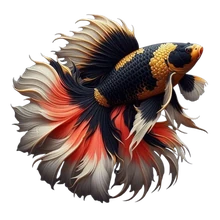
If your betta water is too cold, the fish does not show it dramatically, it just gets quietly slower, eats less, fades, and eventually gets sick. That slow decline is exactly why cold water kills more bettas than any single disease: owners do not realise anything is wrong until a thermometer or a secondary infection finally gives it away. This guide covers the precise danger temperatures, the early warning signs, what cold actually does inside the fish, and the safe, step-by-step way to warm the tank without causing a second emergency.
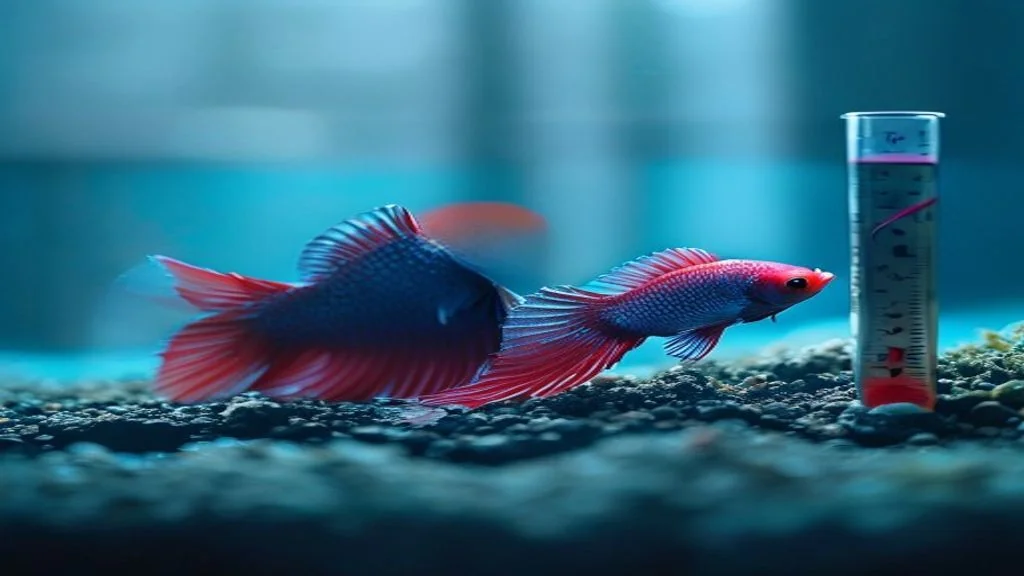
Warning Signs Your Betta Water Is Too Cold
- Lethargy, lying at the bottom, barely swimming (see why is my betta lethargic).
- Loss of appetite or ignoring food entirely.
- Faded, dull colour.
- Clamped fins and hiding.
- Slow, sluggish reactions; sometimes resting on its side.
- More frequent illness (cold = weak immune system → ich and others).
How to Warm the Tank Safely
- Add/repair a heater sized to the tank (the real fix), see do bettas need a heater.
- Raise slowly: about 1–2°F per hour up to 78–80°F. A sudden jump causes temperature shock, details in change betta water temperature safely.
- No heater yet? Use the safe emergency methods in how to keep a betta warm without a heater until one arrives.
- Verify with a thermometer and keep it stable at 78–80°F (ideal betta water temperature).
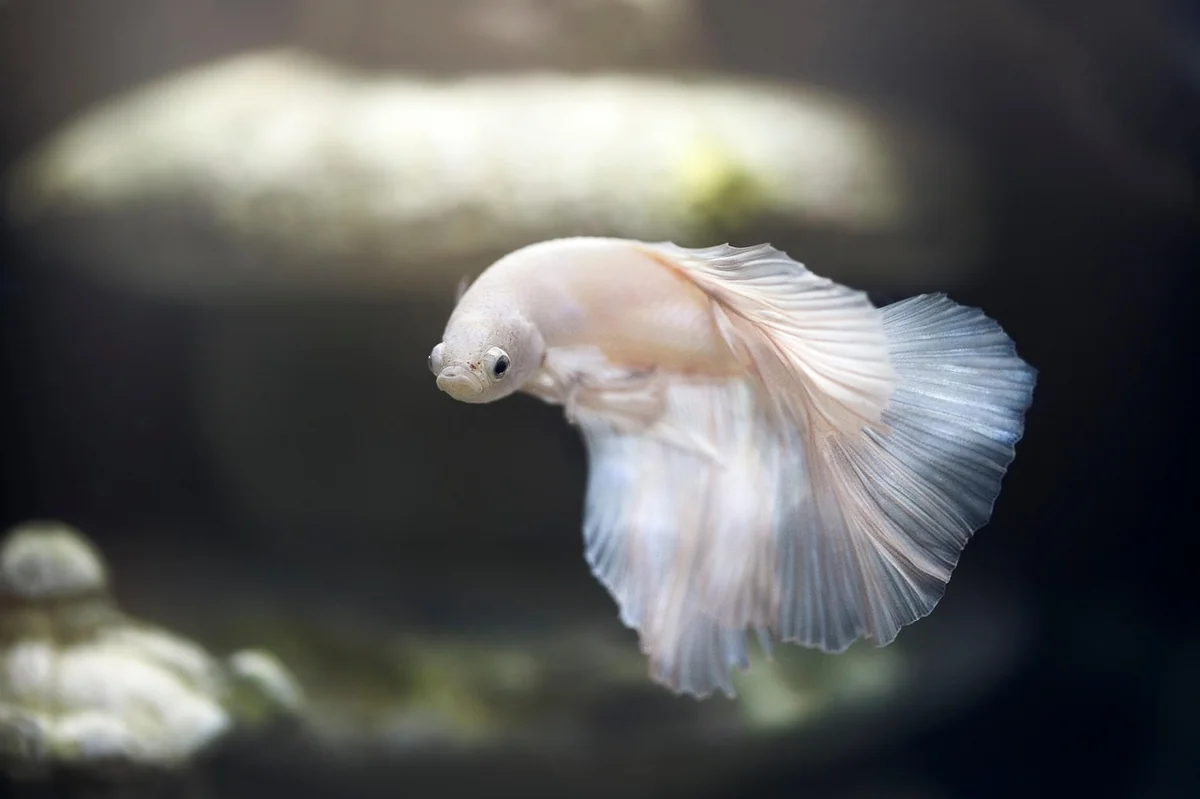
What Actually Happens Inside a Cold Betta
Knowing the mechanism helps you act with urgency instead of “waiting to see”. A betta is cold-blooded, so its body temperature matches the water. When the water drops:
- Metabolism slows. Every internal process, digestion, healing, energy, runs in slow motion. The fish becomes still and stops eating.
- Immune defence drops. A cold betta can’t mount a normal response, so bacteria and parasites that a warm fish ignores suddenly take over.
- Digestion stalls. Food sits undigested, causing constipation and bloating, often misread as a separate illness (see swim bladder issues).
- Disease appears. Within days to weeks, a chronically cold betta typically develops ich, fin problems, or fungus, the cold didn’t “cause” the germ, it removed the defence.
Cold Water + Disease: The Dangerous Combo
The biggest mistake with a cold, sick betta is treating only the visible disease while the water stays cold. Medication can’t work properly if the immune system is shut down by cold. The correct order is always: fix temperature first (slowly), then treat the disease. This is a core principle in our disease prevention and reviving a dying betta guides.
Seasonal Cold: The Winter Trap
Many “sudden” cold-water cases are seasonal. A tank that held 78°F all summer can quietly drop to 70°F in winter, especially near a window or an exterior wall, or if home heating is off at night. Check the thermometer year-round, not just when you set the tank up, and consider a slightly higher-wattage heater for cold climates so it isn’t fighting a losing battle on the coldest nights.
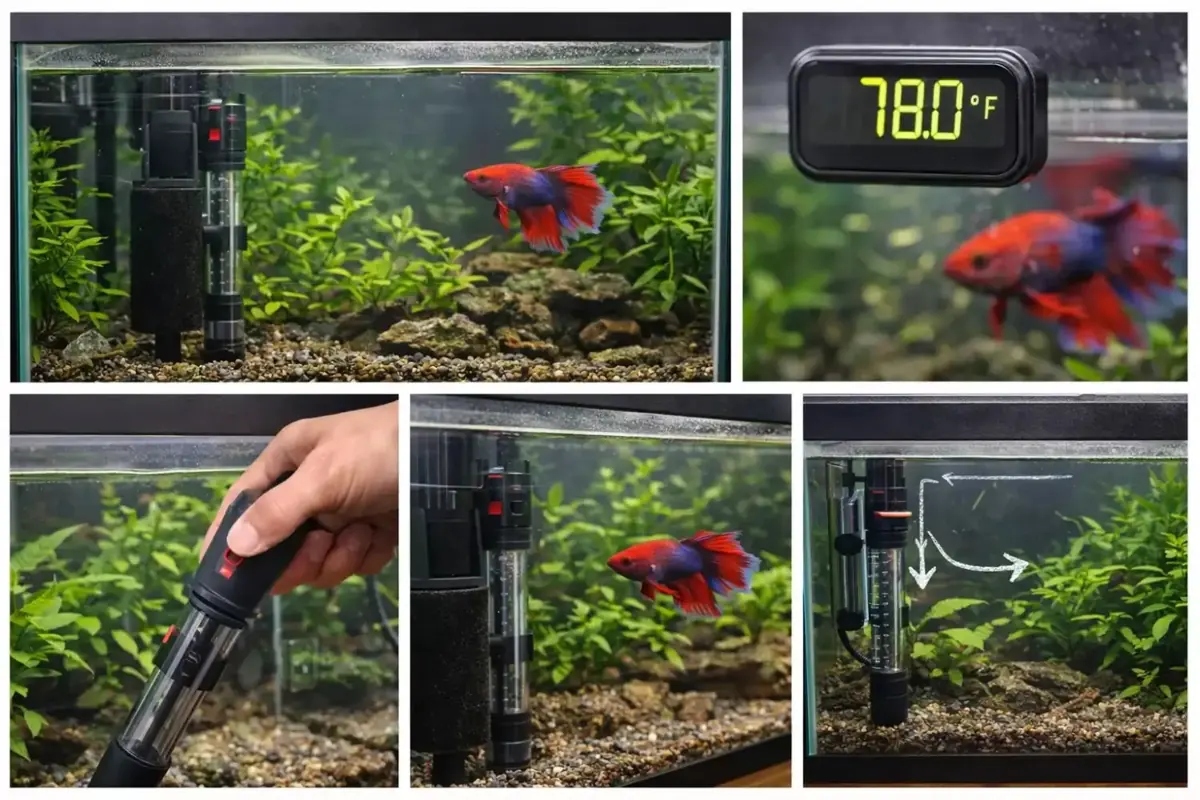
How Long Can a Betta Live in Cold Water?
It depends on how cold and for how long. A betta is cold-blooded, so its whole body slows down with the water:
| Water temperature | How long a healthy betta copes |
|---|---|
| 74–77°F | Can live for a while, but immunity and appetite are lower; raise it within a day or two |
| 70–73°F | Hours to a few days without lasting harm; weeks at this level often lead to illness |
| Below 70°F | An emergency at any length of time; warm slowly now |
A short power cut that drops the tank to 72°F is survivable. Living at 72°F for weeks in an unheated tank is what slowly kills bettas, because the immune system never recovers. The only real fix is an adjustable heater; see do bettas need a heater and the best heater for a betta tank.
Cold-Water Danger Temperatures (exact numbers)
“Too cold” is not vague, there are specific thresholds where specific things go wrong. Memorise this table so you can judge the severity of a reading instantly instead of guessing.
| Temperature | What happens | Urgency |
|---|---|---|
| 76–78°F | Slightly below ideal. Mild slowing; usually fine short-term but raise it. | Low, adjust heater |
| 72–75°F | Metabolism and immunity dropping. Lethargy, reduced appetite, fading colour. | Moderate, fix within a day |
| 68–71°F | Serious stress. Fish mostly motionless, not eating, immune system suppressed. | High, act now (slowly) |
| Below 68°F | Dangerous. Risk of death rises sharply the longer it continues. | Emergency |
Note that how long the fish has been cold matters as much as the number. A few hours at 70°F during a power cut is survivable; weeks at 72°F is a chronic killer because the immune system stays suppressed the entire time.
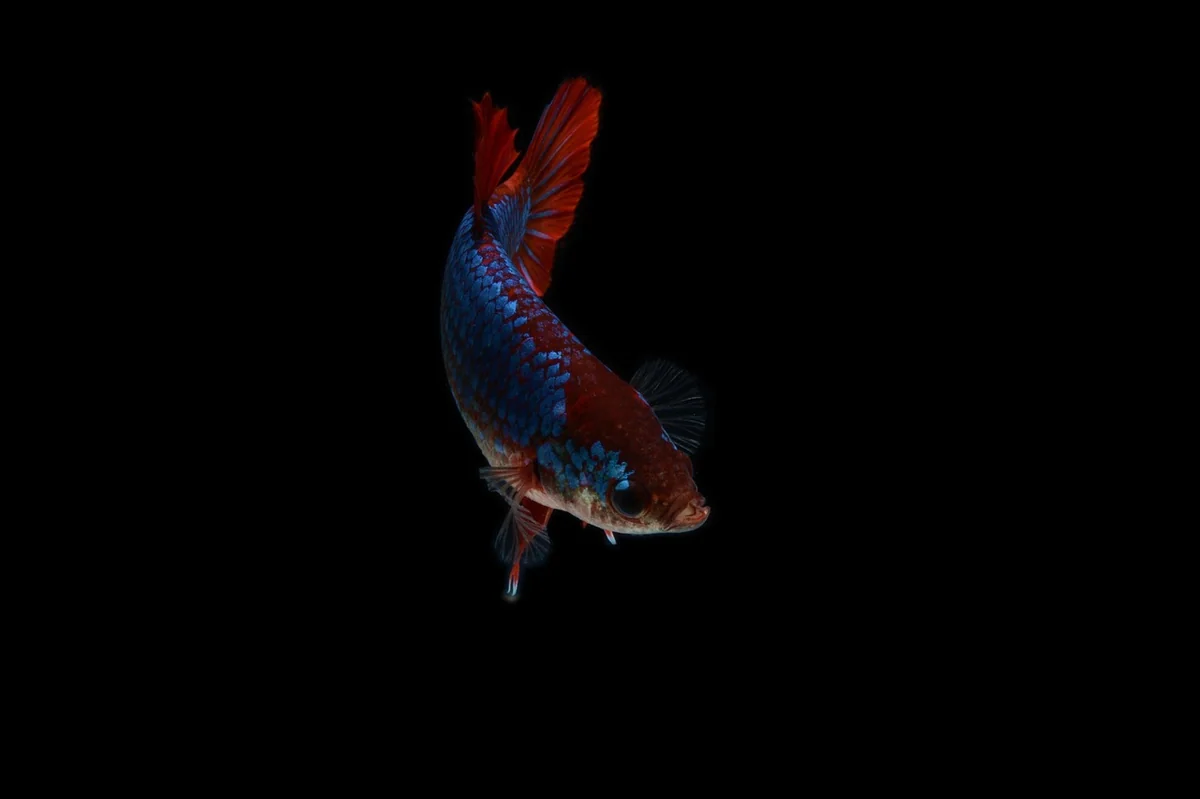
How to Confirm It’s the Cold (not another illness)
Cold-water symptoms overlap with several diseases, so confirm before you treat. Run this quick checklist:
- Read an independent thermometer, not the heater dial. Anything under ~74°F points strongly to cold as the cause.
- Check the heater. Is it plugged in, fully submerged, and is its indicator light cycling on and off? A heater that never lights up has failed; one that is always on may be undersized or set too low.
- Look at the symptom pattern. Cold produces a combination, lethargy plus poor appetite plus fading plus clamped fins together. A single symptom with a normal thermometer points elsewhere.
- Rule out visible disease. White spots suggest ich; cotton-like growth suggests fungus. Cold often triggers these, so you may need to fix temperature and treat, temperature first.
Step-by-Step Emergency Warming (no heater available)
If the heater has failed and a replacement is hours or a day away, you can hold the line safely without shocking the fish:
- Wrap the tank. A towel or blanket around the sides and back slows heat loss dramatically and buys time.
- Raise the room temperature. Warming the room a few degrees is the gentlest, most stable way to lift the tank, far safer than touching the water directly.
- Warm water-bottle method. Float a sealed bottle of warm (not hot) tap water in the tank. Replace it as it cools. This raises temperature gently and is fully under your control. Never pour hot water directly into the tank.
- Reduce surface disturbance and feeding. A cold fish cannot digest well, so a tiny amount of food (or none) for a day prevents rotting waste while you stabilise heat.
These are bridges, not solutions, a correctly sized adjustable heater is the only real fix. Full detail is in how to keep a betta warm without a heater.
Recovery Timeline: What to Expect
Owners often panic when a warmed betta does not “perk up” instantly. Recovery is gradual because the fish has to rebuild metabolic and immune function:
| Time after warming | What you should see |
|---|---|
| First few hours | Slightly more alert; may still rest a lot. Do not feed yet. |
| Day 1–2 | More swimming, returning interest in surroundings. Offer a small amount of food. |
| Day 3–5 | Appetite and normal activity largely return; colour starts to deepen. |
| Week 1–2 | Immune system back to normal. Any disease that took hold during the cold must be treated now if not resolved. |
If there is no improvement at all after 48 hours of correct, stable warmth, an underlying disease is likely present and needs separate treatment, see how to revive a dying betta.
Why an Unheated Bowl Is Almost Always Too Cold
One of the most persistent myths in the hobby is that a betta is a “low-maintenance bowl fish” that does not need a heater. This single misconception is responsible for an enormous number of premature betta deaths, and it is worth dismantling clearly. Room temperature is the heart of the problem. People assume a comfortable indoor room, say 70–72°F, is “warm enough”, but that is already in the moderate-stress band for a tropical fish whose ideal is 78–80°F. Worse, an unheated bowl does not even hold steady at room temperature: it tracks the room, which itself swings. The room cools several degrees at night when the heating drops, dips further if the bowl sits near a window or exterior wall, and rises again during the day. So the betta in an unheated bowl is not just chronically a little too cold, it is also riding a daily temperature swing, which is its own separate stressor on top of the cold. A small bowl makes both problems worse because low water volume changes temperature fast; a few hours of an open window can drop a tiny bowl by 6–8°F. The honest conclusion is that for the overwhelming majority of homes, “no heater” means “chronically too cold and unstable”, and that combination is exactly what produces the slow, mysterious decline this article describes. An adjustable heater in an adequately sized tank is not a luxury upgrade, it is the baseline requirement for keeping the fish alive long term.
Cold Water vs. Other Causes of a Bottom-Sitting Betta
“My betta just sits at the bottom and won’t move” is one of the most common worried questions owners ask, and cold water is the single most frequent cause, but not the only one. Because the fix differs, it is worth knowing how to tell them apart. The decisive first step is always the same: read an independent thermometer. After that, this comparison helps you narrow it down:
| Likely cause | Telltale signs alongside bottom-sitting | First action |
|---|---|---|
| Cold water | Thermometer under ~74°F; lethargy + faded colour + poor appetite together; often worse in winter or near a window | Warm slowly to 78–80°F; recheck behaviour over days |
| Ammonia/nitrite poisoning | Correct temperature but red or dark gills, gasping, often a new or uncycled tank | Test water; large dechlorinated change, see ammonia |
| Old age | Correct temperature and clean water; very old fish, gradual lifelong slowdown | Optimise comfort; gentle stable care, see lifespan |
| Swim bladder / constipation | Correct temperature but bloating, struggling to stay upright, recent overfeeding | Brief fast, then tiny portions, see swim bladder |
| Strong current | Correct temperature but fish hides low and is pinned by filter flow | Reduce filter output; add resting spots |
The pattern to remember: if the thermometer is low and several cold symptoms appear together, treat it as cold first. If the temperature is correct and clean water is confirmed, look at the other causes above.
Common Cold-Water Mistakes That Make It Worse
As with most temperature problems, more bettas are harmed by the panicked response than by the cold itself. Avoid these recurring errors:
- Pouring hot or boiling water into the tank to warm it fast. This swaps a slow problem for an instantly lethal one, cold-shock-in-reverse. Never add water more than a degree or two off the tank.
- Cranking a new heater to maximum to “catch up”. This overshoots into dangerous heat. Set the heater correctly and let the temperature rise gradually at ~1–2°F per hour.
- Trusting the heater dial instead of a thermometer. Many failures and undersized-heater situations are missed because the owner assumed the dial number was the real temperature.
- Treating the disease while ignoring the cold. Medication cannot work while the immune system is shut down by cold. Always fix temperature first, then treat any infection.
- Feeding normally during the cold period. A cold betta cannot digest properly; normal feeding causes bloating and rotting waste. Feed lightly or briefly pause until warm.
- Only checking temperature when setting up the tank. Cold water is overwhelmingly a seasonal, year-round risk. The thermometer needs reading routinely, not once.
- Assuming “the room feels fine, so the fish is fine”. A comfortable room for a person is already too cool for a tropical fish, and the bowl swings with the room on top of that.
Sources & Further Reading
Chewy/PetMD, betta water temperature; A-Z Animals, cold betta effects; Bettafish.org, temperature care; Merck Veterinary Manual, Temperature stress in tropical fish.
Frequently Asked Questions
How do I know if my betta’s water is too cold?
Lethargy, lying at the bottom, loss of appetite, faded colour, clamped fins, and frequent illness, usually with a thermometer reading below 74°F.
What temperature is too cold for a betta fish?
Below about 74°F causes problems; below 72°F is dangerous. The ideal is a stable 78–80°F.
Can a betta recover from cold water?
Yes, usually, if warmed slowly back to 78–80°F before serious illness sets in. Recovery is common when caught early.
How fast can I warm up a cold betta tank?
Slowly, about 1–2°F per hour. A rapid jump causes temperature shock that can be fatal.
Why is my betta not eating in cold water?
Cold slows digestion and metabolism, so the betta loses appetite. Appetite usually returns once the tank is stably warm.
How can I warm my betta tank without a heater in an emergency?
Wrap the tank in a towel to retain heat, gently raise the room temperature, and float a sealed bottle of warm (not hot) tap water in the tank, replacing it as it cools. Never pour hot water directly in. These are temporary bridges until a proper heater arrives.
How long can a betta fish live in cold water?
A few hours to a few days at 70-73F usually causes no lasting harm, but weeks below 76F weaken the immune system and lead to illness. Below 70F is an emergency.
Can betta fish live in cold water without a heater?
Only if the room stays at 78-80F all day and night, which is rare. In most homes an unheated betta tank is too cold and swings at night, so a heater is needed.