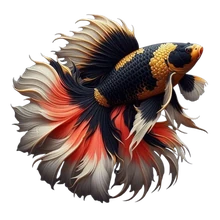
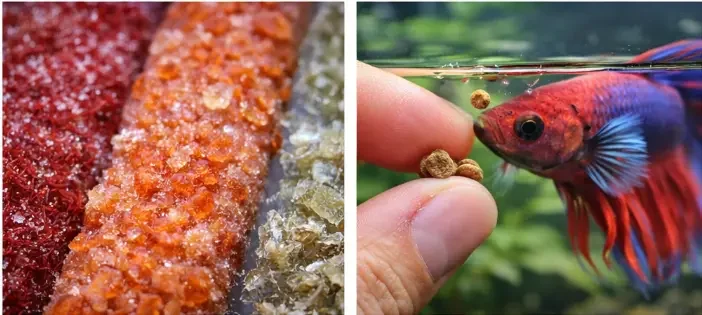
The question of what human food for betta fish is safe comes up the moment someone wants to “spoil” their fish, but a betta is a carnivore, and most of what’s in your kitchen is at best useless and at worst toxic to it. A few items genuinely help (one is effectively medicine), several will harm or kill. This guide gives you the clear safe list, the never-feed toxic list, how often treats are okay, and the commercial treat products that beat table scraps.
The Star Treat: Cooked Pea (It’s Also Medicine)
A small piece of cooked, shelled, skinless green pea is the single most useful human food for a betta, its fibre relieves constipation and supports swim bladder recovery. It’s the one “treat” that doubles as a first-aid food, which is why it appears across this site’s health guides.
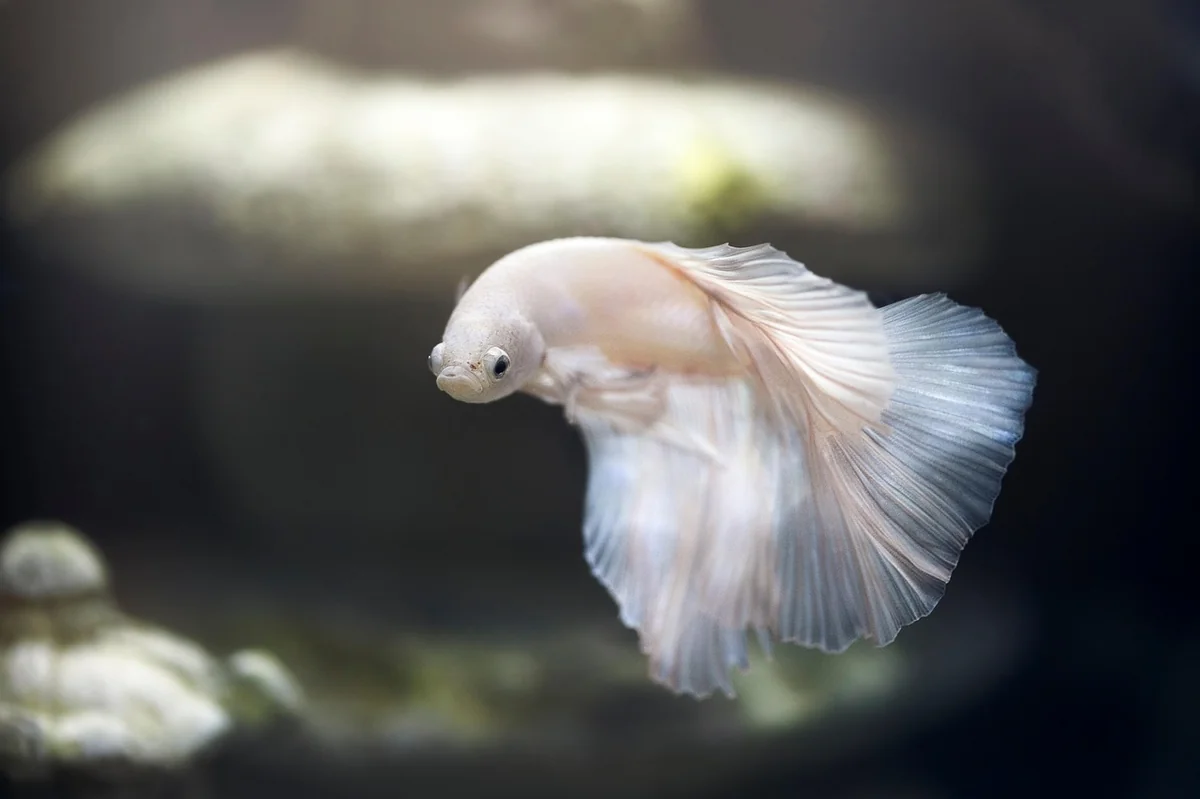
Safe Human Food for Betta Fish (Tiny Amounts, Rarely)
| Food | How to serve | Note |
|---|---|---|
| Cooked, shelled pea | Tiny piece, skin removed | Best, fibre, helps constipation |
| Blanched zucchini/cucumber | Soft, tiny piece | Occasional veg treat |
| Blanched spinach | Tiny soft amount | Sparingly |
| Unseasoned cooked shrimp/white fish | Tiny shred, plain | Protein treat, bettas love it |
| Daphnia / brine shrimp (live/frozen) | Normal feed | Not “human food” but the ideal treat, best live foods |
Honestly, the best “treats” for a betta aren’t human food at all, they’re live/frozen bloodworms, daphnia, brine shrimp, which match their carnivore diet. Human foods are occasional novelties, not nutrition.
Never Feed These (Toxic / Harmful)
- Onion, chives, leeks and raw garlic: no food value for a carnivore, and the strong plant compounds can upset the gut. (Some fish foods contain small, measured amounts of garlic to tempt picky eaters, but kitchen garlic is far too strong to dose safely.)
- Dairy (cheese, milk, yogurt): not part of any fish diet and very hard for a betta to digest; it causes bloating and fouls the water.
- Bread, crackers, pasta, rice: starchy fillers a carnivore can’t process; swell and constipate.
- Citrus & very acidic fruit: can disrupt water and irritate the fish.
- Anything salted, seasoned, oily, or cooked with additives.
- Raw “human” meat in any quantity / processed meats: fouls water, unsafe fats/additives.
How Often Are Treats Okay?
Treats are extras, not meals. Limit human-food treats to once or twice a week at most, in tiny amounts, and never as a replacement for the carnivore staple (best betta food). Too-frequent treats unbalance the diet and cause the same problems as overfeeding, bloating, constipation, fouled water.
How to Choose a Betta Treat: Buying Criteria
- Carnivore-appropriate: the best treats are animal protein (bloodworms, daphnia, brine shrimp), not plant or starch.
- Unseasoned and additive-free: any human food must be plain, no salt, oil, garlic, onion, or seasoning of any kind.
- Tiny and removable: a treat should be a single small piece you can fish out if uneaten so it doesn’t foul the water.
- Purpose-matched: fibre treats (pea, daphnia) for constipation; protein treats (bloodworms) for colour and feeding response.
- Quality of commercial treats: for packaged freeze-dried/frozen treats, look for single-ingredient products and reputable brands, and pre-soak freeze-dried.
- Frequency over type: even a “safe” treat becomes harmful if fed too often, treats are extras, never the diet.
Recommended Treats (Better Than Table Scraps)
These are real, widely recommended betta treats. They match a carnivore’s diet far better than human food and carry less risk when used in tiny amounts.
| Product | Type | Best for | Notes |
|---|---|---|---|
| Hikari Bio-Pure Frozen Bloodworms | Frozen | Best overall protein treat | Rich, irresistible; 1–3x/week max; thaw fully, not a daily staple |
| Frozen / Live Daphnia | Frozen or live | Best for constipation | Mild laxative effect; gentle, natural, pairs well with the cooked-pea trick |
| Hikari Bio-Pure Frozen Brine Shrimp | Frozen | Best feeding-response booster | Highly palatable; great for tempting a picky or recovering betta to eat |
| San Francisco Bay Freeze-Dried Bloodworms | Freeze-dried | Best budget / shelf-stable | Convenient; always pre-soak to prevent bloating; use sparingly |
| Cooked, shelled green pea (home) | Home prepared | Best constipation first-aid | Not a product but the single most useful “treat”; tiny skinless piece only |
| Live blackworms / mosquito larvae (seasonal) | Live | Best natural enrichment | Closest to wild diet; source responsibly and rinse to limit parasite risk |
Editorial picks: Best overall treat, frozen bloodworms. Best for digestion, daphnia plus a cooked pea. Best for tempting a fussy fish, frozen brine shrimp. Best budget shelf-stable, freeze-dried bloodworms (soaked). Skip human snack foods entirely, the toxic risks below outweigh any novelty.
Why a Betta’s Body Rejects Most Human Food
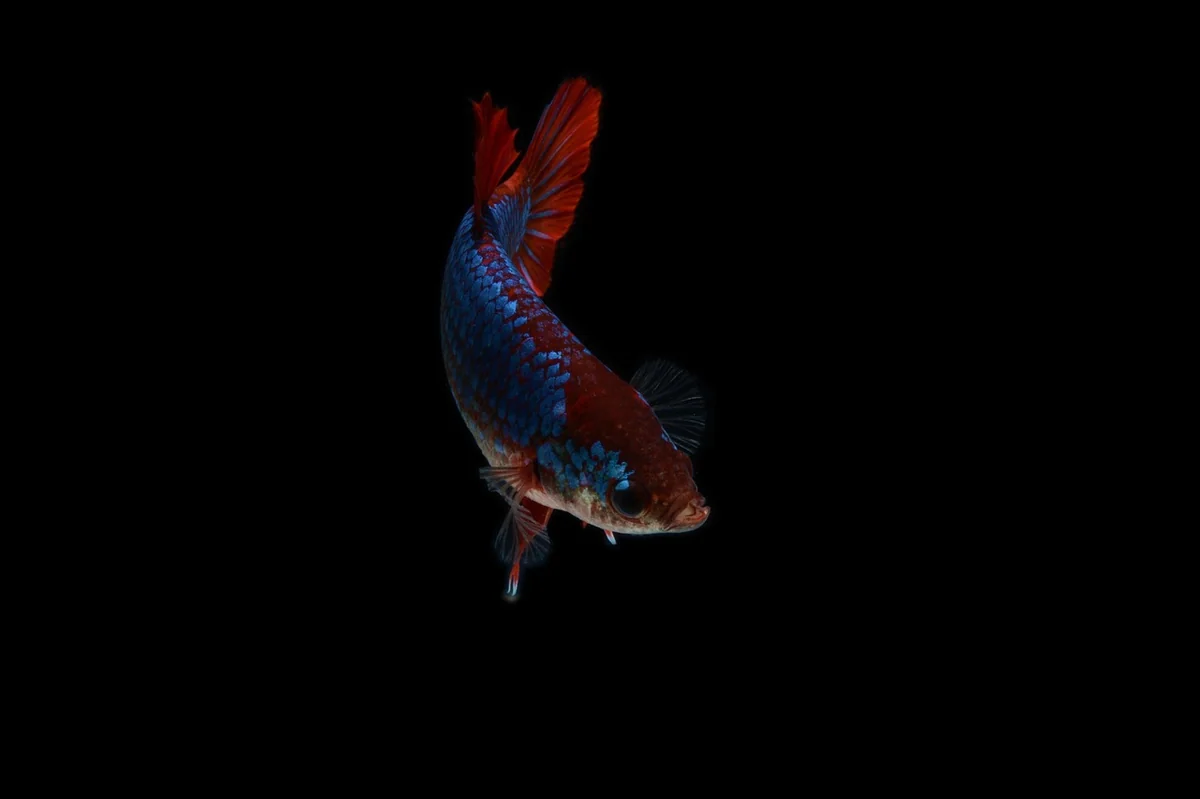
To understand why so much of your kitchen is off-limits, you have to look at what a betta actually is. Betta splendens is an obligate carnivore, in the wild it eats insects, insect larvae, tiny crustaceans, and small invertebrates. It is not an omnivore that “also eats some meat”; it is a small predator whose entire digestive system is built around animal protein and very little else.
Three features of that body explain the safe and toxic lists almost completely. First, the gut is extremely short, roughly body-length, with no large fermentation chamber. Herbivores and omnivores have long, complex digestive tracts to break down plant matter, starch, and fibre; a betta does not. Plant carbohydrates, bread, rice, and pasta pass through largely unprocessed, swelling and backing up rather than being digested. That is why “starchy filler” is not a vague warning, the fish physically lacks the equipment to handle it.
Second, a betta produces strong protein-digesting enzymes and little of what is needed for carbohydrates or lactose. Dairy is not just “not ideal”; it is far outside what a fish gut is built for, so cheese or yogurt sits and breaks down slowly, causing the severe bloating owners sometimes cause by “treating” their fish with a crumb of cheese. Third, a small fish in a small volume of water has little margin for error: salt, oil, spices and strong plant compounds hit it harder than they would a larger animal, and anything uneaten rots in its water.
Read in that light, the rules stop being arbitrary. Animal protein in tiny amounts: digestible, on-diet, safe. Plant and starch: indigestible, gut-clogging, occasionally useful only as fibre. Dairy, salt, seasoning, onion and citrus: harmful to a small carnivore’s blood, gut, or water chemistry. The whole guide collapses into one principle, feed the predator what a predator eats, and treat everything else with suspicion.
Preparing Safe Treats Correctly (Step by Step)
Even a “safe” food becomes a problem if prepared wrong. The preparation is as important as the choice.
The cooked pea, done properly
This is the one treat worth getting exactly right because it doubles as medicine. Use a plain frozen or fresh green pea, never canned (canned peas carry added salt). Briefly cook or microwave it in plain water for a few seconds until soft, then cool it completely. Pinch off and discard the tough outer skin entirely; the betta cannot digest the skin and it just becomes waste. Take a piece roughly the size of the betta’s eye, not the whole pea, and either drop it or, for a fish that ignores food on the bottom, hold it near the surface on a toothpick. Remove anything uneaten within a few minutes so it does not foul the water. No butter, no salt, no seasoning, ever.
Blanched vegetables
Zucchini, cucumber, or spinach must be softened by brief blanching in plain water and cooled before offering. Raw, firm vegetable is hard for the fish to take and largely indigestible. Offer a tiny, soft sliver, weighted or clipped if needed, and pull it out within a couple of hours before it breaks down and clouds the water. These are novelty enrichment, not nutrition, so the amount should be token.
Plain cooked shrimp or white fish
This must be genuinely plain, boiled or steamed with nothing added, no salt, butter, oil, garlic, or seasoning of any kind. Shred a minuscule thread, far smaller than you think, because rich protein scraps foul a small tank fast. This is the closest human food to a betta’s natural diet and bettas take it eagerly, which makes overdoing it the main risk.
Commercial freeze-dried treats
Freeze-dried bloodworms or similar must be rehydrated first. Soak a tiny pinch in a spoonful of tank water for several minutes until soft, then offer the softened portion (you can even discard the soak water). Fed dry, these expand inside the fish exactly like un-soaked pellets and are a classic hidden cause of treat-induced bloat.
The thread running through all of it: small, plain, softened, and promptly removed if uneaten. Most “this safe treat hurt my betta” stories are actually preparation failures, not the food itself.
Treat-Caused Problems and How to Reverse Them
When treats go wrong, the symptoms overlap with overfeeding because the mechanism is similar. Knowing which problem you are looking at speeds the fix.
| What happened | Likely cause | What to do |
|---|---|---|
| Sudden bloating after a treat | Too large a portion, or dry freeze-dried that swelled | Stop feeding, fast 1–2 days, keep water warm; offer a tiny cooked pea if still bloated |
| Bloat + lethargy after dairy/bread | Indigestible food fermenting in the gut | Fast, warm stable water, do not repeat the food; expect slow improvement over days |
| Refusing normal food after rich treats | “Spoiled” on bloodworms; holding out for the treat | Treat-fast: offer only staple, skip treats for 1–2 weeks until it eats pellets again |
| Cloudy/smelly water after treats | Uneaten treat scraps rotting | Remove debris, water change, feed far smaller next time and remove leftovers fast |
| Bloat or cloudy water after seasoned food | Salt, oil or spices from human cooking | Water change, fast 1–2 days, then feed only plain foods |
| No improvement after fasting and pea | May not be a treat problem at all | Re-evaluate for internal illness or dropsy (check from above for raised scales) |
Two practical points. First, the “spoiled fish” problem is real and avoidable, bettas fed rich treats too often will snub plain staple pellets and wait for the good stuff, then their owner panics about a “fussy eater.” The cure is simply holding the line on staple food and cutting treats back; a healthy betta will not starve itself over preferences. Second, seasoned human food is the one category where “a little won’t hurt” does not apply: salt, oil and spices go straight into a small fish and a small volume of water, so feed plain food only.
Building a Sensible Treat Schedule Around the Staple Diet
Treats only make sense as a small layer on a correct base. The base is a quality carnivore staple, a good betta pellet, fed in eye-sized portions once or twice a day, with an optional weekly fast. That foundation provides the actual nutrition. Treats add variety, enrichment, and occasionally first aid; they never provide the core diet.
A realistic week looks like this: staple pellets on most days; one day where part of a feed is replaced (not added to) by a small protein treat such as thawed frozen bloodworms or daphnia; and the weekly fast day untouched. That is one, at most two, treat events a week, each tiny, each substituting for part of a normal feed rather than stacking on top. The cooked pea sits outside this schedule entirely, it is not a routine treat but a tool you reach for promptly the moment a fish shows constipation or mild bloat, regardless of what day it is.
The single biggest mistake is treating treats as a daily kindness. A betta begging for bloodworms every day is not telling you it is underfed; it is doing exactly what an opportunistic predator does. Feeding to that signal turns a healthy enrichment into a clone of chronic overfeeding, with the same downstream constipation, swim bladder pressure, and fouled water. The discipline is identical to portion control: decide the schedule in advance, keep treats substitutive and tiny, and do not let the fish’s permanent enthusiasm rewrite the plan.
Done this way, treats deliver everything they should, colour, feeding response, behavioural enrichment, and a constipation remedy on hand, without ever destabilising the diet or the water. The carnivore staple does the work; the treat is the seasoning, not the meal.
The Honest Verdict on “Spoiling” Your Betta
Owners reach for human food because giving an animal a treat feels like affection. With a betta, the honest reframing is that the kindest “treat” is not a scrap from your plate at all, it is a tiny portion of food that actually matches what the fish evolved to eat, delivered on a schedule that protects its gut and its water. A betta does not experience cheese or bread as a treat; it experiences them as an indigestible load it then has to survive.
If the goal is genuinely to do something good for the fish, the high-value moves are: a small thawed frozen bloodworm or daphnia portion once or twice a week, a cooked deshelled pea kept ready for the first sign of bloat, pristine warm water, and the restraint to stop feeding when the eye-sized portion is gone. That combination gives a betta a varied, enriched, low-risk life. A crumb of toast off the breakfast table gives it nothing it can use and a small chance of real harm. The most caring choice, usually, is the boring carnivore-appropriate one, and skipping the kitchen experiments entirely.
Treats sit on top of a correct base, a carnivore-appropriate betta food, a weekly fasting day, and a stable tank from the full how to set up a betta tank. Keep portions tiny to avoid overfeeding.
Sources & Further Reading
A-Z Animals, human foods you can feed bettas; Hepper (vet-approved), safe human foods for bettas; Aquarium Co-Op, betta foods; Bettafish.org, feeding guide.
Frequently Asked Questions
What human food can betta fish eat?
In tiny, occasional amounts: cooked shelled pea (best), blanched zucchini/cucumber/spinach, and small bits of unseasoned cooked shrimp or white fish.
Can bettas eat peas?
Yes, a small cooked, shelled, skinless pea is the top betta treat and also relieves constipation and swim bladder issues.
What human foods are toxic to bettas?
Dairy, bread and other starchy foods, citrus, onion, and anything salted, seasoned or oily. They are indigestible for a carnivore or foul the water.
Can betta fish eat bread?
No, bread is a starchy filler a carnivore can’t digest; it swells and causes constipation. Avoid it.
How often can I give my betta treats?
At most once or twice a week, in tiny amounts, never replacing the main carnivore diet. The pea is an exception for treating constipation.
What’s the best treat for a betta?
Live or frozen bloodworms, daphnia, or brine shrimp, they match the betta’s natural carnivore diet better than any human food.
Can betta fish eat rice?
No. Rice is a starchy filler a carnivore cannot digest well; it swells in the gut and causes constipation.
Is garlic bad for betta fish?
Kitchen garlic is not needed and is too strong to dose safely. Some fish foods contain small, measured amounts of garlic to tempt picky eaters, and that is fine; a garlic-soaked food is a better choice than raw garlic.