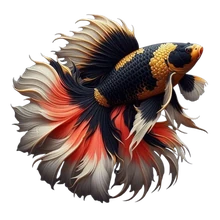
A healthy betta fish shows clear physical and behavioral signals every day. When you know these signals, you can spot problems early and prevent disease before it starts. This guide explains exactly what to look for, why it matters, and how to confirm your betta is truly healthy.
What a Healthy Betta Fish Looks Like at a Glance
A healthy betta fish displays stable color, controlled movement, normal breathing, and a strong feeding response. These signs appear together. One sign alone is not enough.
Definition of a Healthy Betta Fish
A healthy betta fish is one that maintains consistent coloration, intact fins, normal appetite, steady swimming control, and calm breathing in clean, warm, stable water.
Quick Reference Health Snapshot
You should observe the following within a single day:
- Bright color without sudden fading
- Smooth fins held open, not clamped
- Active swimming with frequent pauses to rest
- Immediate interest in food
- Occasional surface gulps, not constant gasping
- Clear eyes and clean scales
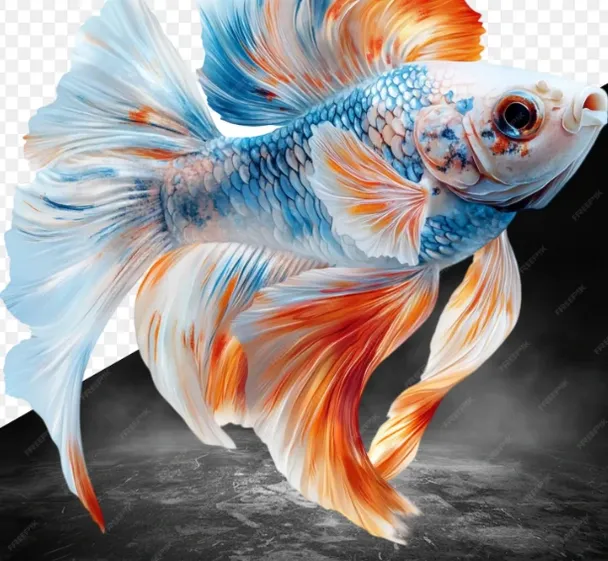
Healthy vs Unhealthy Betta Fish: Side by Side
| Healthy betta | Unhealthy betta (what it may point to) | |
|---|---|---|
| Colour | Bright and even; darkens briefly when excited | Fading, pale, or stress stripes that stay (stress, cold water or illness) |
| Fins | Held open with smooth edges | Clamped fins, or ragged edges that recede (fin rot) |
| Eyes | Clear and level | Cloudy or bulging (popeye) |
| Scales and body | Flat scales, gently rounded belly | Raised pinecone scales (dropsy), white spots (ich), gold dust (velvet) |
| Breathing | Calm gills, an occasional gulp at the surface | Fast gill movement or hanging at the top (gasping) |
| Swimming | Level and controlled; rests on leaves | Floating sideways, sinking or struggling (swim bladder) |
| Appetite | Eats within a minute or two | Refuses food for more than a day (not eating) |
| Activity | Active with rest breaks | Lying on the bottom most of the day (lethargy) |
Use the table as a screen, not a diagnosis. One odd sign for an hour is usually nothing. Two or more signs at once, or one that lasts a day, means test the water first and then check the betta disease guide.
Species Context and Natural Biology
Understanding natural biology helps you separate normal behavior from warning signs.
Betta Splendens Overview and Natural Behavior
Betta fish originate from shallow, warm waters in Southeast Asia. They evolved to live in still or slow moving environments with limited oxygen. This explains many behaviors that confuse new owners.
Labyrinth Organ and Surface Breathing Explained
Bettas have a labyrinth organ that allows them to breathe atmospheric air. Because of this:
- Surface breathing is normal
- Occasional gulps are healthy
- Constant gasping signals stress or poor water quality
Natural Habitat Conditions and Captivity
In nature, bettas experience warm temperatures, minimal flow, and dense plant cover. Healthy captive bettas thrive when these conditions are closely matched.
Healthy Physical Appearance Signs
Physical appearance offers the fastest clues to health.
Bright and Consistent Coloration
Healthy bettas show stable, vibrant color across the body.
- Color remains even from head to tail
- Temporary darkening during excitement is normal
- Sudden dullness often signals stress or illness
Smooth Intact Fins
Healthy fins appear full and open.
- Edges look clean, not frayed
- Fins are held away from the body
- Minor fin tears heal quickly in clean water
Clear Eyes and Clean Scales
Eyes should appear clear and alert.
- No cloudiness
- No swelling
Scales should lie flat.
- No raised scales
- No white patches or fuzzy growth
Balanced Body Shape
A healthy betta has a streamlined body.
- Belly slightly rounded after meals
- No persistent bloating
- No sunken areas behind the head
Healthy Betta Fish Behavior Indicators
Behavior reveals health trends before physical damage appears.
Normal Activity and Alertness
Healthy bettas swim throughout the tank.
- Short bursts of activity
- Calm hovering
- Frequent observation of surroundings
Curiosity and Response to Movement
A healthy betta reacts when you approach.
- Follows fingers
- Investigates food quickly
- Displays mild flaring at reflections
Resting Behavior Versus Lethargy
Resting is normal.
- Bettas rest on leaves or décor
- Heavy fin varieties rest more often
Lethargy is different.
- Long periods on the bottom
- No response to stimuli
Bubble Nest Behavior
Bubble nests may appear in healthy males.
- Indicates comfort with environment
- Does not guarantee happiness or breeding readiness
- Absence of a nest does not mean poor health

Healthy Swimming and Posture Signals
Swimming patterns reveal internal balance.
Upright Posture and Controlled Movement
Healthy bettas maintain balance.
- Head and tail level
- Smooth turns
- No rolling or sinking
Normal Surface Breathing
Occasional surface trips are expected.
- Especially after activity
- Especially in warm water
Warning signs include constant surface hanging or rapid gill movement.
Stable Buoyancy
A healthy betta controls position easily.
- Can stop and hover
- Can swim downward without effort
Loss of buoyancy often indicates digestive or swim bladder issues.
Healthy Appetite and Digestion Signs
Feeding behavior reflects internal health.
Strong Feeding Response
Healthy bettas recognize food quickly.
- Swim toward food
- Strike confidently
- Finish meals within minutes
Proper Feeding Frequency
Most healthy adult bettas thrive on:
- One to two small feedings daily
- Two to three small pellets per feeding, about 4 to 6 a day for an adult
Normal Digestion and Waste
Healthy digestion looks like:
- Short, dark waste
- No long white strands
- No prolonged bloating
Early Signs of Overfeeding
Overfeeding weakens health.
- Swollen belly
- Reduced activity
- Loss of appetite the next day
Water and Tank Conditions That Support a Healthy Betta
Health depends heavily on environment.
Ideal Temperature Range
Healthy bettas require warm water.
- Keep it at 78 to 80 degrees Fahrenheit
- Consistent temperature matters more than exact number
Water Quality Targets
Healthy tanks maintain stable parameters.
- Ammonia at 0 ppm
- Nitrite at 0 ppm
- Nitrate below 20 ppm
Sudden changes stress bettas even when values remain acceptable.
Filtration Flow and Oxygen Balance
Gentle filtration supports health.
- Low current
- Clean mechanical media
- Stable bacterial colonies
Tank Size and Enrichment
Healthy bettas need space.
- Five gallons or more recommended
- Plants and hiding areas reduce stress
- Smooth décor prevents fin damage

The 60 Second Betta Health Check Process
This quick routine confirms health daily.
Visual Inspection
Look for:
- Bright color
- Open fins
- Clear eyes
Behavior Check
Observe:
- Swimming patterns
- Interaction with surroundings
- Resting frequency
Breathing and Posture
Confirm:
- Calm gill movement
- Occasional surface breathing
- Stable body position
Water Parameter Test
Test immediately if behavior changes.
- Temperature first
- Ammonia and nitrite next
- Correct water issues before medicating
Healthy Baseline Versus Early Warning Changes
Knowing normal variation prevents panic.
Normal Variations
Healthy differences include:
- Less activity at night
- Increased resting in long fin types
- Slower movement in older bettas
Early Stress Signals
Watch for:
- Slight fin clamping
- Reduced appetite
- Increased hiding
These often appear before disease.
Separating Normal Behavior From Decline
If multiple signs change at once, act quickly. Single mild changes often resolve with improved water conditions.
Common Health Misconceptions That Confuse Owners
Many healthy bettas are misdiagnosed.
Surface Breathing Myths
Surface breathing is normal due to the labyrinth organ. Constant gasping is not.
Resting on Décor
Resting does not mean illness. Bettas often nap.
Color Changes
Mood and lighting can alter color temporarily. Persistent fading is the concern.
Preventive Care That Preserves Long Term Health
Prevention is more effective than treatment.
Routine Maintenance Schedule
Healthy tanks follow a rhythm.
- Weekly partial water changes
- Monthly equipment checks
- Regular parameter testing
Diet Variety and Nutrition
Balanced diets support immune strength.
- Quality pellets as a base
- Occasional frozen or live foods
- Avoid excessive treats
Environmental Stability
Stability keeps bettas healthy.
- Avoid frequent tank changes
- Maintain consistent temperature
- Minimize sudden lighting shifts
When a Betta Fails the Healthy Checklist
Immediate action protects recovery.
First Actions Within the First Hour
- Test water parameters
- Perform a partial water change if needed
- Reduce stress and lighting
Isolation and Observation
Use a separate tank if:
- Fin damage worsens
- Appetite stops completely
- Visible lesions appear
Stress Versus Disease Indicators
Stress often improves within 24 to 48 hours after environmental correction. Disease usually progresses without targeted treatment.
How Healthy Betta Signs Change Over Time
Health signals evolve with age.
Juvenile Bettas
- Higher activity
- Faster growth
- Strong feeding drive
Adult Bettas
- Balanced energy
- Defined routines
- Stable coloration
Senior Bettas
- Increased resting
- Slightly reduced appetite
- Continued clarity of eyes and fins when healthy
Understanding these changes helps you support your betta at every life stage while avoiding unnecessary treatments.
Signs of a Healthy Betta Fish – FAQs
What are the main signs of a healthy betta fish?
A healthy betta fish shows bright consistent color, open intact fins, normal appetite, calm breathing, controlled swimming, and clear eyes in clean warm water.
How can you tell if your betta fish is healthy at home?
You can tell by observing daily behavior, feeding response, fin condition, color stability, and breathing rate without using special equipment.
What does a healthy betta fish look like?
A healthy betta fish looks alert, colorful, smooth skinned, with fins held open and balanced posture while swimming.
What does healthy betta behavior look like?
Healthy behavior includes curiosity, active swimming with rest periods, interest in food, and normal interaction with the environment.
How active should a healthy betta fish be?
A healthy betta is active several times a day, explores the tank, and rests between activity periods.
Is surface breathing normal for a healthy betta fish?
Yes, occasional surface breathing is normal because bettas use a labyrinth organ to breathe air.
Are bubble nests a sign of a healthy betta fish?
Bubble nests often indicate comfort with the environment but they are not a guaranteed sign of health or happiness.
How do you do a quick health check on a betta fish?
Check color, fins, eyes, swimming posture, breathing rate, and feeding response within one minute.
Is it normal for my betta to float near the surface?
Resting just under the surface, often on a leaf or by its bubble nest, is normal. A betta that floats sideways, cannot swim down or hangs gasping at the top is not; test the water and read about swim bladder problems.
How can I tell if my betta is happy?
A happy, unstressed betta shows the same signs as a healthy one: good colour, open fins, interest in food and in you, exploring the tank, and sometimes a bubble nest. Bettas do not need tank mates to be content.