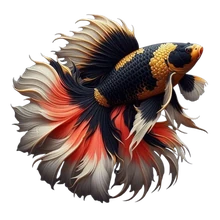
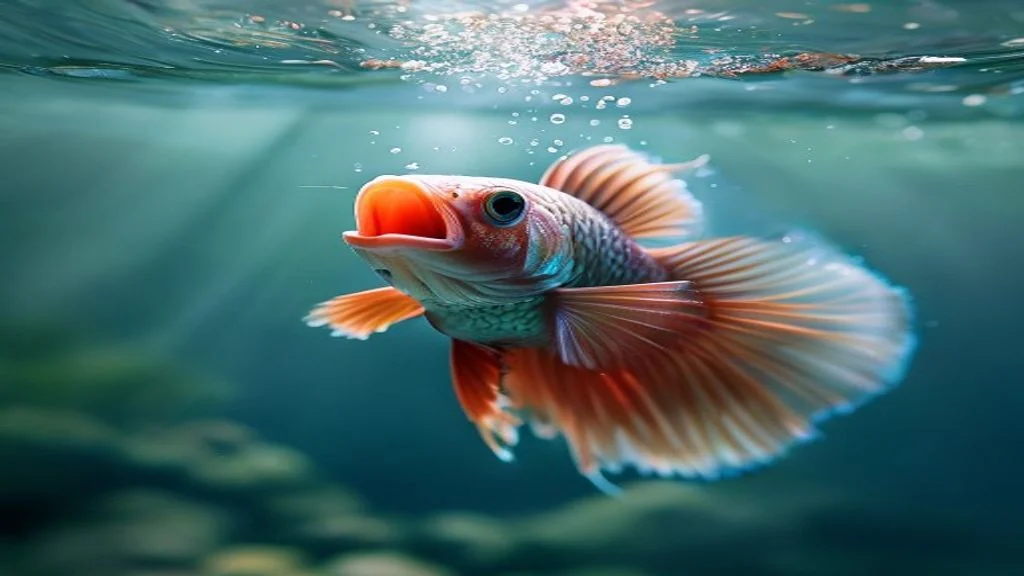
Betta gasping for air at the surface, or breathing heavily with rapid gill movement, is a warning sign that something in the environment or the fish’s gills is wrong, even though bettas normally take occasional surface gulps thanks to their labyrinth organ. This guide helps you quickly tell normal surface breathing from genuine distress, walks through all seven causes of heavy betta breathing (ammonia, low oxygen, temperature, gill disease, stress, overcrowding, and water-change shock), gives the emergency first steps, and shows how to read the gills to pinpoint the cause fast. Because heavy breathing is a symptom rather than a disease, identifying the right cause is what saves the fish.
When Betta Gasping for Air Means Disease
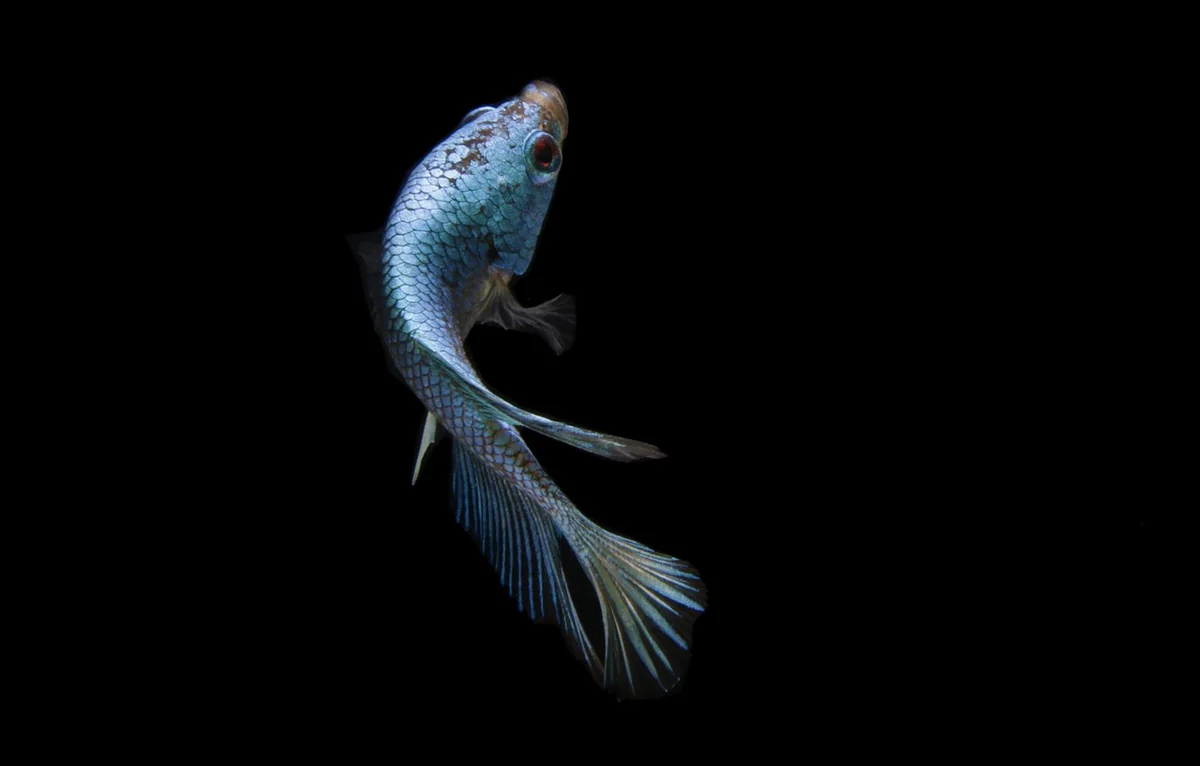
If water is perfect but breathing is still heavy, suspect the gills. Gold dusty sheen → velvet. White spots and flashing → ich. Grayish patches near gills → columnaris. Each attacks the gills and causes gasping; treat the specific disease.
Prevention
A cycled, heated, properly sized tank with gentle surface movement and routine water changes prevents almost all breathing problems, see how to prevent betta diseases and betta tank size guide.

The 60-Second Triage: Surface Air vs. Real Distress
Before anything, decide which of two very different things you’re seeing, it changes whether you relax or act fast:
| Normal surface breathing | Distress gasping (act now) |
|---|---|
| Quick gulp at the surface, then back to normal | Stays at the surface, mouth working constantly |
| Gills moving at a calm, steady rate | Gills pumping rapidly/heavily, flared |
| Otherwise active, eating, coloured up | Also lethargic, clamped, faded, red/brown gills |
| Occasional, all day fine | Constant; worsening over hours |
Bettas have a labyrinth organ and normally take surface gulps, that alone is not an emergency. The emergency pattern is constant, heavy, fixed-at-the-surface breathing.
Decoding the Cause from the Gills
The gills themselves often reveal the cause faster than any test:
- Red, inflamed, or “burned” gills → ammonia poisoning. The single most common hidden cause; do an immediate water change and see lowering ammonia.
- Brown/tan-tinged gills → nitrite poisoning (“brown blood”); the fish can’t carry oxygen even in oxygen-rich water, big water change, finish the cycle.
- One gill stuck open / gill looks “eaten” → gill parasites or velvet attacking the gills; flashlight-test for gold dust.
- Gills look normal, water tests fine → likely low oxygen (warm/still water) or temperature; add surface agitation and check the heater.
The fastest universal first move covers most cases at once: a 40–50% dechlorinated, temperature-matched water change plus surface agitation, it simultaneously dilutes toxins and raises oxygen. If the fish is collapsing, escalate to emergency revival. The permanent fix is almost always a cycled, heated, properly sized tank, the foundation of disease prevention.
How a Betta Actually Breathes (Why This Matters)
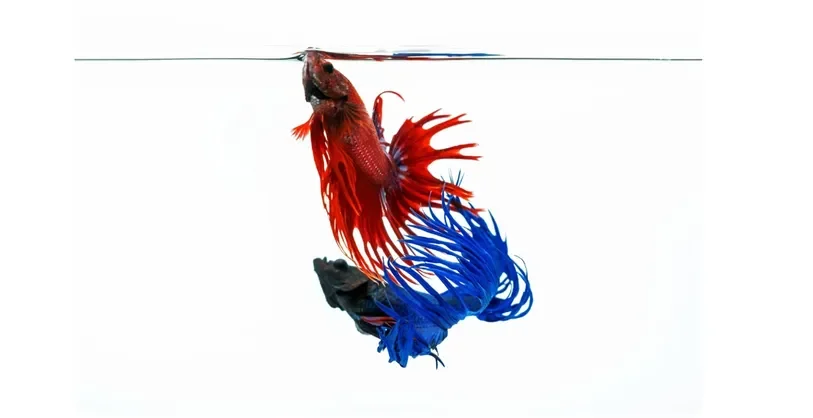
Understanding betta respiration explains why some surfacing is normal and some is an emergency. Bettas are obligate air-breathers: in addition to gills that extract dissolved oxygen from the water, they have a specialised organ called the labyrinth organ that lets them gulp atmospheric air directly from the surface. This adaptation evolved for the warm, oxygen-poor shallow waters of Southeast Asia and is why bettas can survive in conditions that would suffocate many fish.
The practical consequence: a healthy betta rising to take an occasional gulp of air, then returning to swim normally, is doing exactly what it’s built to do. The alarm is not “going to the surface”, it’s constant, laboured, fixed-at-the-surface breathing with rapid or flared gills, which means the gills can’t keep up and the fish is relying on emergency air-gulping just to stay oxygenated.
Each Cause in Detail
1. Ammonia and nitrite poisoning
The single most common hidden cause. In an uncycled, overstocked, or under-maintained tank, ammonia and nitrite accumulate and chemically burn the delicate gill tissue, destroying its ability to absorb oxygen. The fish then gasps even though the water may hold plenty of oxygen. Tell-tale signs: red or inflamed gills (ammonia), brown-tinged gills (nitrite “brown blood”), lethargy, and a tank that was never properly cycled. The fix is an immediate large water change and completing the nitrogen cycle.
2. Low dissolved oxygen
Warm, still, or overstocked water simply holds and circulates too little oxygen. Classic clue: every fish in the tank is hanging near the surface, not just the betta. Surface agitation from an air stone or a rippling filter outflow is the fix, gas exchange happens at the water’s surface, not via the labyrinth organ alone.
3. Incorrect temperature
Water that is too warm holds less dissolved oxygen and raises the fish’s metabolic oxygen demand at the same time, a dangerous combination. Water that is too cold causes its own stress and sluggishness. A stable 78–80°F is the target; a faulty or absent heater is a frequent culprit.
4. Gill disease and parasites
Velvet, ich, and columnaris can all attack the gills directly, physically obstructing oxygen uptake. Suspect this when the water tests perfect but breathing is still heavy, especially with a gold dusty sheen (velvet), white spots and flashing (ich), or grey patches near the gills (columnaris). Treatment is disease-specific.
5. Stress
Acute stress, a new environment, aggressive tank mates, bright light, constant disturbance, or rough handling, raises respiration rate. If breathing is fast but the gills look healthy and water is clean, reduce stressors and re-check.
6. Overcrowding
Too many fish in too little water increases both the bioload (more ammonia, lower oxygen) and social stress simultaneously. Reducing stock or upgrading tank size resolves it.
7. Post-water-change shock
If heavy breathing starts right after a water change, the usual causes are a temperature mismatch or forgetting dechlorinator (chlorine/chloramine directly damages gills). Always match temperature, always dechlorinate, and prefer smaller, more frequent changes.
Step-by-Step Emergency Response
- Observe and confirm distress. Constant surface gasping with rapid or flared gills is the emergency pattern; an occasional gulp is not.
- Test the water immediately. Ammonia and nitrite must be 0. Any reading above 0 is very likely the cause.
- Do a 40–50% water change. Use dechlorinated, temperature-matched water. This dilutes toxins and raises oxygen in one move.
- Add surface agitation. Air stone or angled filter flow to maximise gas exchange at the surface.
- Verify temperature. Confirm a stable 78–80°F; don’t raise the heater, since heat lowers oxygen.
- Inspect the gills. Red, brown, or damaged gills point to a specific cause (see the gill-decoding section above).
- Only then consider disease treatment. If water is perfect and gills suggest parasites/infection, treat the specific disease.
Setting Up a Recovery Environment
If the betta is severely distressed, a calm, well-oxygenated recovery setup helps it stabilise:
- Clean, dechlorinated, temperature-matched water at a stable 78–80°F.
- Strong but gentle aeration, maximise oxygen without battering a weak fish with current.
- Dim light and minimal disturbance to reduce oxygen demand from stress.
- No carbon if you will medicate for a gill disease.
- A lid: distressed bettas jump, and a labyrinth-breather still needs easy, safe access to the surface.
Common Mistakes With a Gasping Betta
- Dosing medication before testing water. Most heavy breathing is a water-quality problem, not a disease, medication won’t fix bad water.
- Doing a sudden 100% cold water change. This shocks an already-stressed fish; do a large but temperature-matched, dechlorinated change instead.
- Raising the heater to “help”. Warmer water holds less oxygen and increases demand, exactly the wrong move.
- Panicking at normal surface gulps. Occasional air-gulping is normal labyrinth behaviour, not an emergency.
- Ignoring an uncycled tank. If the tank was never cycled, chronic ammonia is almost certainly the root cause and must be fixed.
Sources & Further Reading
Betta Care Fish Guide, Betta Gasping for Air; Aquariadise, betta breathing heavily; Hepper, fish gasping for air; Merck Veterinary Manual, Gill disorders & ammonia toxicity in fish.
Frequently Asked Questions
Why is my betta gasping at the surface?
Usually ammonia poisoning or low oxygen, sometimes wrong temperature or gill disease. Test the water and do a 40–50% dechlorinated water change as the first step.
Is it normal for a betta to go to the surface for air?
Yes, bettas have a labyrinth organ and gulp surface air normally. Constant gasping with rapid gill movement is the abnormal sign.
How do I add more oxygen to my betta tank?
Add an air stone or position the filter to ripple the surface. Surface agitation, not the labyrinth organ, drives tank oxygen.
Can ammonia make a betta breathe heavily?
Yes. Ammonia burns gill tissue and is the most common hidden cause of heavy breathing, especially in uncycled or unfiltered tanks.
How do I know if my betta’s heavy breathing is an emergency?
It’s an emergency if the betta stays fixed at the surface gasping with rapid or flared gills, often alongside lethargy, clamped fins, or discoloured gills. An occasional quick gulp followed by normal active swimming is normal labyrinth-organ behaviour, not a crisis.
Why is my betta breathing heavily but water tests are fine?
If ammonia and nitrite are 0 and temperature is correct but breathing is still laboured, suspect the gills, velvet, ich, or columnaris attacking gill tissue, or low dissolved oxygen from warm still water. Inspect the gills and treat the specific cause.