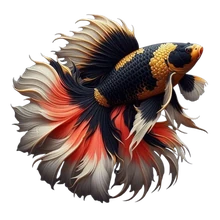
If you keep wondering why is my betta hiding behind the filter, under a plant, or in a cave for hours, the honest answer is: it depends entirely on the rest of the picture. Some hiding is completely healthy, bettas rest, sleep, and feel safe in cover. Constant hiding paired with not eating or faded colour is a message you need to read. This guide shows you exactly how to tell normal hiding from a warning sign, and how to coax a genuinely shy betta back out.
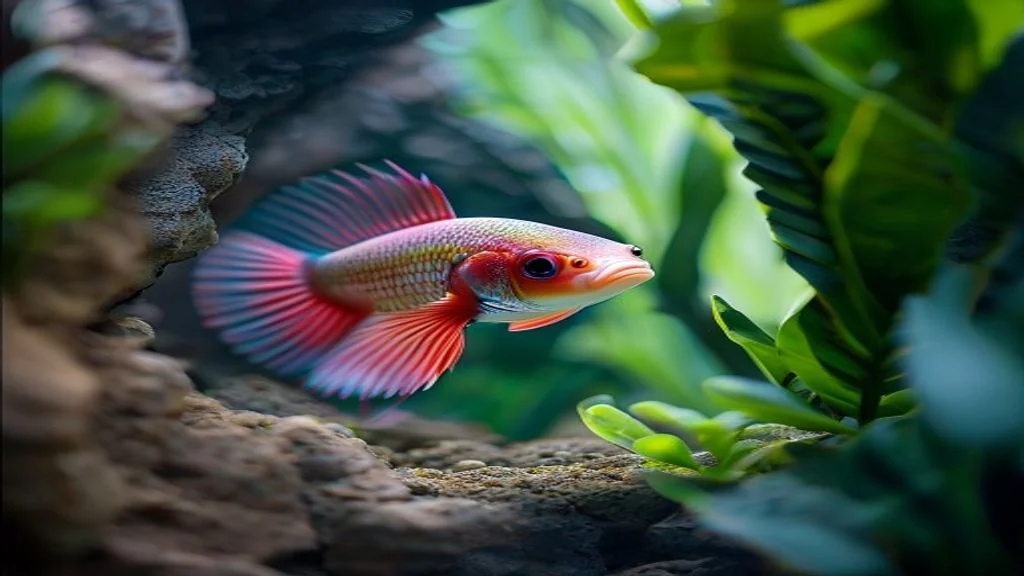
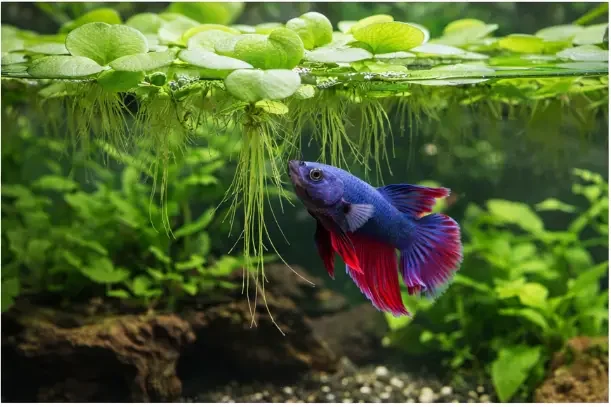
The Counter-Intuitive Truth: More Hides = Less Hiding
The instinct when a betta hides is to strip the tank bare so it “has nowhere to hide and has to come out.” This is exactly backwards and makes the problem worse:
| Setup | Betta behaviour |
|---|---|
| Bare tank, no cover | Feels exposed/unsafe → hides more, glass surfs, stressed |
| Planted, plenty of hides | Feels secure → explores confidently, more visible |
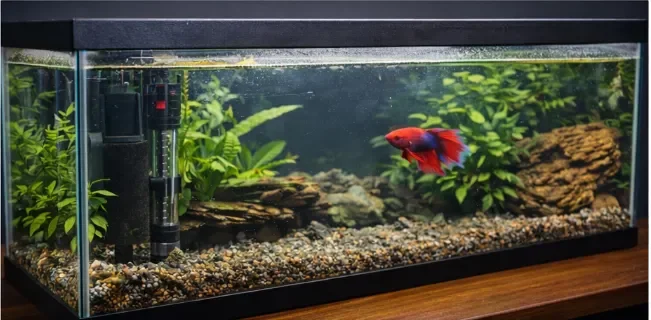
A betta with cover knows it can retreat, so it doesn’t feel the need to, it cruises the open tank instead. A betta with nowhere safe stays tense and tucked away. Security creates confidence; exposure creates hiding. Add cover, don’t remove it.
Normal Hiding vs. a Health Flag — The Behaviour Test
Hiding only matters in context. Run this quick read before worrying:
- Almost certainly fine: rests/sleeps in a cave then resumes activity, hides only under bright light, a brand-new betta tucked away its first days, still eats eagerly and colours up when out, see normal patterns in do bettas sleep.
- Investigate: near-constant hiding plus not eating, faded colour, clamped fins, or lethargy, now it’s a symptom, cross-check lethargy and signs of a healthy betta.
- First moves if it’s a problem: test water (ammonia), confirm stable 78–80°F heat (heater), dim harsh light, then check tank mates (worst tank mates).
- Give new fish two weeks. Settling in takes time; don’t medicate a fish that’s just adjusting.
Appetite is the clearest single tell: a betta that hides but still attacks its food is usually fine; a betta that hides and won’t eat needs a water test and a symptom check, not just patience.
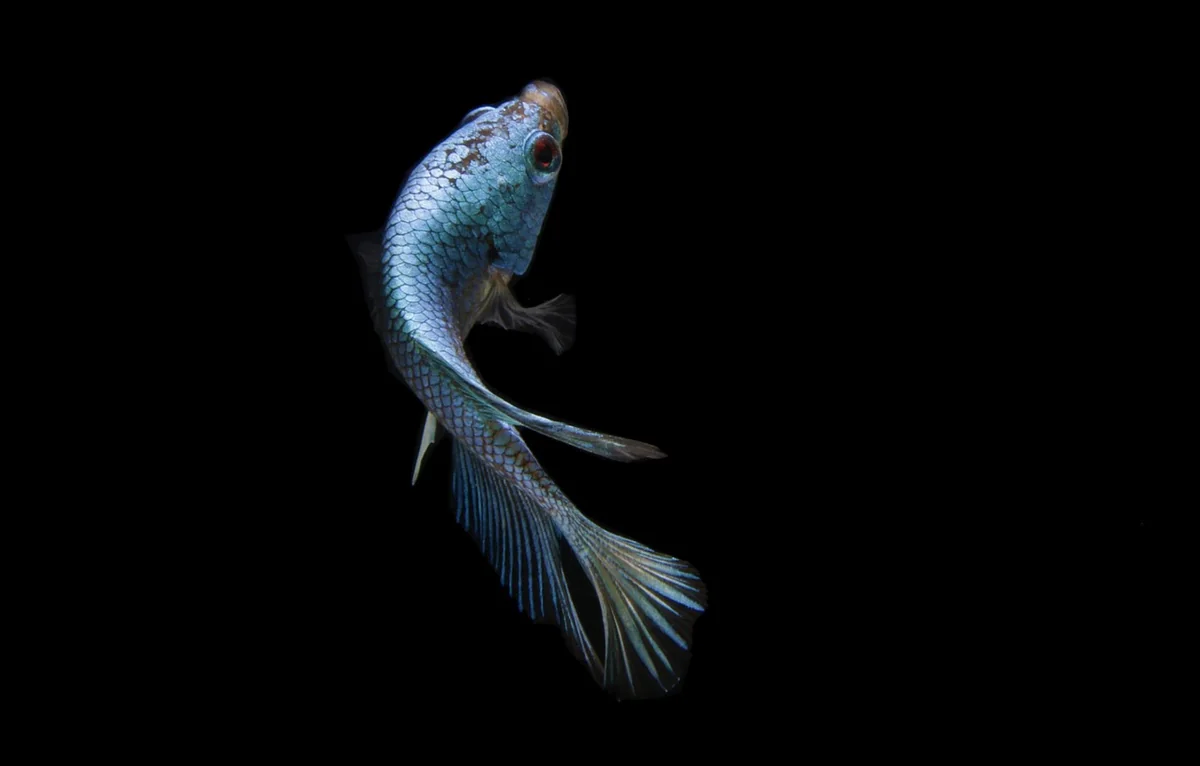
Why Is My Betta Hiding? What “Hiding” Actually Means
It helps to understand why bettas seek cover in the first place, because the instinct itself is healthy and you do not want to train it out of the fish. In the wild, Betta splendens live in shallow, heavily vegetated water, rice paddies, slow streams, marshes, where dense plants and leaf litter are everywhere. A betta that can dart into cover is a betta that survives. So the urge to have a retreat is not fear; it is normal species behaviour. The key distinction is between a fish that uses cover and then comes back out to live its life, and a fish that stays in cover because being in the open feels unsafe or because it is unwell.
Hiding vs. resting vs. sleeping
These overlap and owners often lump them together. Resting is a short pause, the betta tucks against a leaf or in a cave for a few minutes, then resumes patrolling. Sleeping is longer and usually tied to lights-off; bettas genuinely sleep, often wedged somewhere snug, and may look alarmingly still (see do bettas sleep). Problem hiding is different in pattern: it is near-constant, happens during active daytime hours, and the fish does not readily come out to eat or explore. Pattern and context, not the act of being in a hide, are what matter.
Normal Hiding — When You Should Not Worry
Most hiding falls into this bucket. None of the following needs intervention:
- A brand-new betta its first days to two weeks. Relocation is stressful; new fish very commonly hole up while they decide the tank is safe. Keep conditions stable and give it time.
- Resting and sleeping in a favourite spot. A cave, a broad leaf, behind a plant, then back out, entirely normal, especially around lights-off.
- Brief retreats under bright light, with the fish emerging once it dims. Bettas dislike harsh, direct light.
- A short sulk after a water change or rearrangement, followed by normal behaviour within a day.
- Hiding but still eating eagerly and coloured up when it does come out. Appetite and colour intact almost always means a content fish that simply likes its cover.
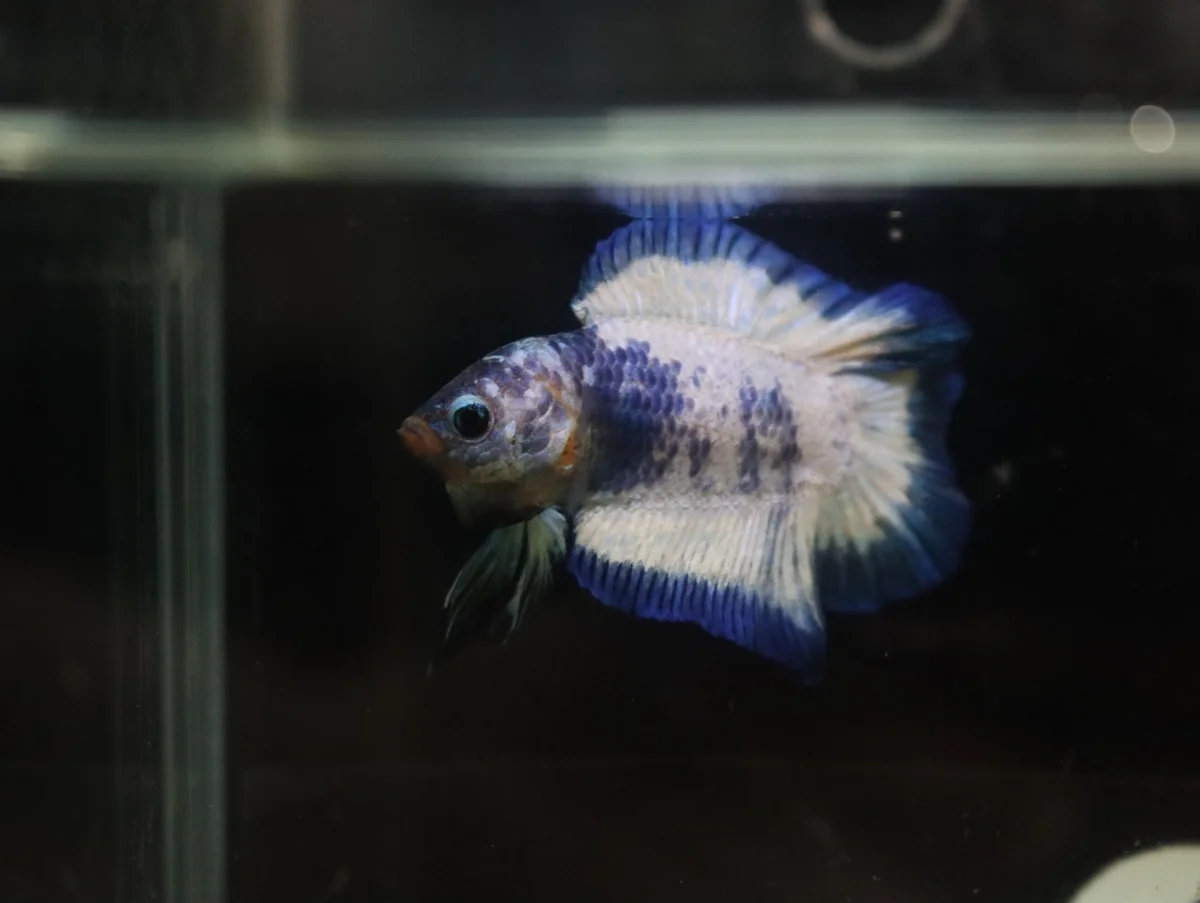
Problem Hiding — Causes Ranked
When hiding is near-constant and paired with other signs, work through these causes roughly in order of likelihood.
1. Poor or unstable water (most common)
Ammonia or nitrite irritates and stresses a betta, and a common early response is to retreat and shut down. Tell-tale extras: also lethargic, clamped, or gasping. Test the water and bring ammonia and nitrite to zero, see how to lower ammonia in a betta tank. This is the first thing to rule out in any problem hiding.
2. Cold or swinging temperature
Bettas are tropical. Below about 76°F they slow down, hide, and lose appetite; unstable temperature is just as stressful as cold. Confirm a stable 78–80°F with a working heater (heater guide). A betta that hides near the heater is often telling you the rest of the tank is too cold.
3. Stress and a too-new or too-exposed environment
A recent move, a noisy location, or, counter-intuitively, a bare tank with nowhere safe all drive hiding. A fish with no cover feels permanently exposed and tucks itself away even more. Cross-check signs of stress in betta fish.
4. Light that is too bright
If the betta hides only while the light is on and comes out when it is off, the lighting is the trigger. Dim it, shorten the photoperiod, or add floating plants for shade.
5. Aggressive or stressful tank mates
A betta being chased or nipped will hide constantly to avoid the aggressor. Look for nipped fins alongside the hiding and reassess the pairing, see worst tank mates for betta fish.
6. Illness
Many sick bettas withdraw. If hiding comes with not eating plus spots, colour loss, bloating, or laboured breathing, treat it as a health problem and match the other symptoms to the disease guides rather than assuming it is just shyness.
Step-by-Step: How to Coax a Shy Betta Out
Work these in order. Notice that the single most counter-intuitive step, adding cover, comes early, because it is usually the fastest win.
- Fix the basics first. Test water and bring ammonia/nitrite to 0, confirm a stable 78–80°F, and dim harsh lighting. These resolve the majority of problem-hiding cases on their own.
- Add more cover, not less. Dense plants, caves, and floating plants. A betta that knows it can retreat feels safe enough not to, and explores the open tank instead.
- Build a feeding routine. Feed at the same time each day near a “safe” spot. Predictable food at a predictable place builds trust and draws a shy fish out reliably.
- Reduce disturbance. Cut foot traffic, tank tapping, and sudden movements near the glass. Place the tank somewhere calm rather than a busy hallway.
- Give new fish one to two weeks. Settling in genuinely takes time; do not medicate or overhaul a tank for a fish that is simply adjusting.
- Reassess tank mates last. If hiding persists with stable water, warm temperature, plenty of cover, and a routine, look hard at whether a tank mate is the problem.
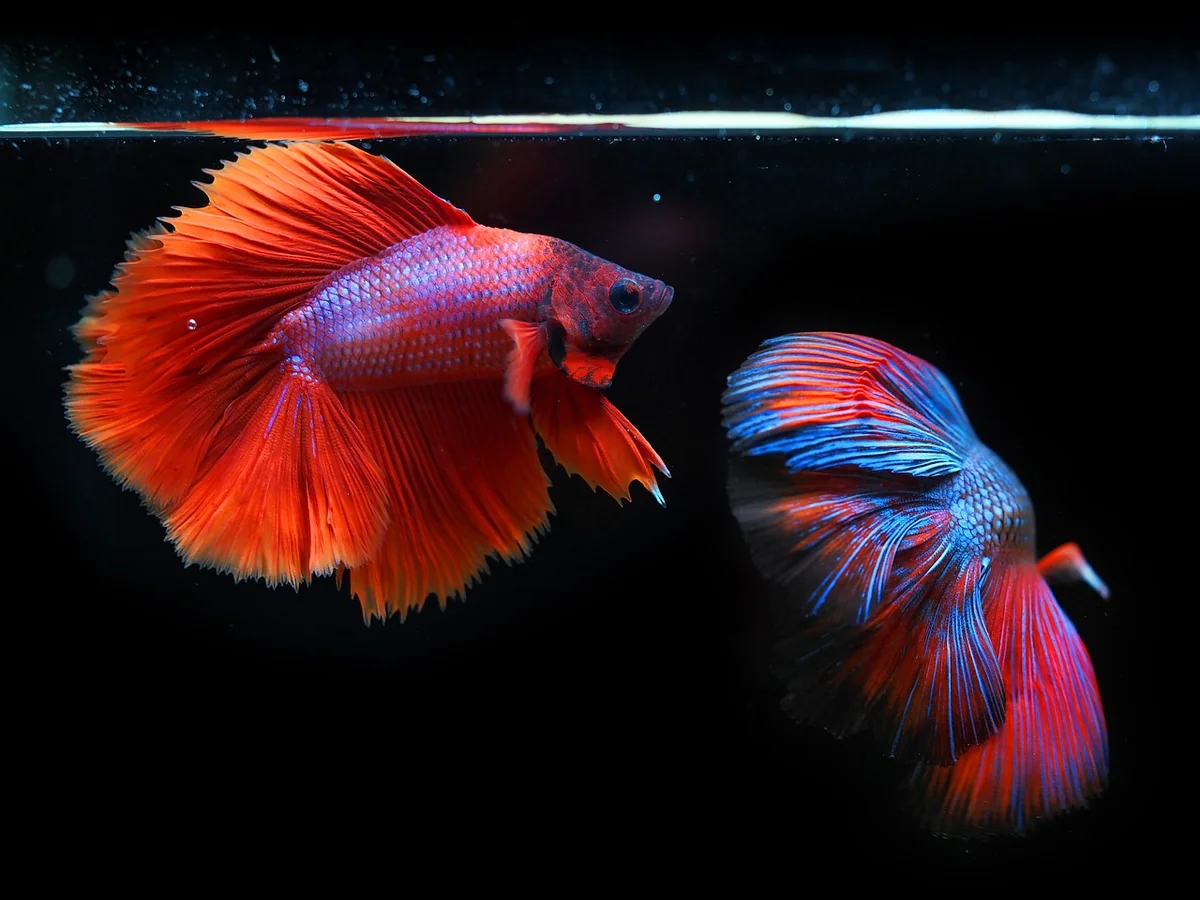
When to Worry — The Appetite Test
Use appetite as the single clearest tie-breaker:
- Hides but eats eagerly and is brightly coloured: almost certainly fine. Likely just a fish that values its cover, a new arrival settling, or normal rest. No action needed beyond good husbandry.
- Hides and is reluctant to eat, or fading, or clamped: now it is a symptom, not a preference. Test water, confirm temperature, scan for disease signs, and cross-check why is my betta lethargic and signs of a healthy betta fish.
- Hides, won’t eat at all, and is unresponsive or breathing hard: treat as a medical emergency and act on the disease/temperature/water front immediately.
Mistakes to Avoid
These errors keep shy bettas shy or make hiding worse:
- Stripping the tank bare so it “has to come out.” The most damaging mistake. A betta with nowhere safe hides more, glass surfs, and stays stressed. Add cover, never remove it.
- Tapping the glass or chasing it out. This confirms the tank is dangerous and deepens the hiding.
- Panicking over a new betta on day two. Two weeks of stable conditions is normal adjustment, not a problem to treat.
- Skipping the water test. Hiding plus appetite loss is a water-quality red flag until proven otherwise; assuming “he’s just shy” can let ammonia harm the fish.
- Adding a tank mate “for company.” A stressed solitary betta usually needs better conditions, not a companion that may make things worse.
- Medicating a healthy, adjusting fish. If it is eating and coloured up, it does not need treatment, it needs time and cover.
Appetite is the clearest single tell: a betta that hides but still attacks its food is usually fine; a betta that hides and won’t eat needs a water test and a symptom check, not just patience. Once your fish is confidently out and exploring, it should show the wider signs of a happy betta; if hiding instead flips into frantic glass surfing or constant flaring, you are looking at a different stress pattern with its own fixes.
Sources & Further Reading
Hygger, normal betta behaviour; A-Z Animals, betta hiding/at bottom; LoveToKnow Pets, happy vs unhappy betta; The Spruce Pets, betta care.
Frequently Asked Questions
Why is my betta hiding all the time?
Occasional hiding is normal. Constant hiding usually means poor water, cold or unstable temperature, stress, bright light, aggressive tank mates, or illness.
Is it normal for a betta to hide?
Yes, bettas rest, sleep, and feel secure in cover. It’s only a concern when paired with not eating, fading, clamped fins, or lethargy.
Why is my new betta hiding?
New bettas commonly hide for the first few days to two weeks while they adjust. Keep conditions stable and give it time.
How do I get my betta to stop hiding?
Fix water and temperature, dim harsh light, add more cover (not less), keep a feeding routine, and reduce disturbance near the tank.
Should I add more hiding spots or remove them?
Add more. Bettas with plenty of cover feel safe and are actually more active and visible than those in a bare tank.
Is my betta hiding because it’s dying?
Not by itself. Hiding only points to a serious problem when paired with not eating, faded colour, clamped fins, laboured breathing, or unresponsiveness. A hiding betta that still eats eagerly is usually fine.