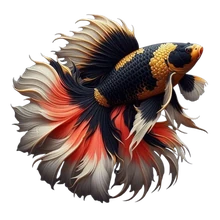
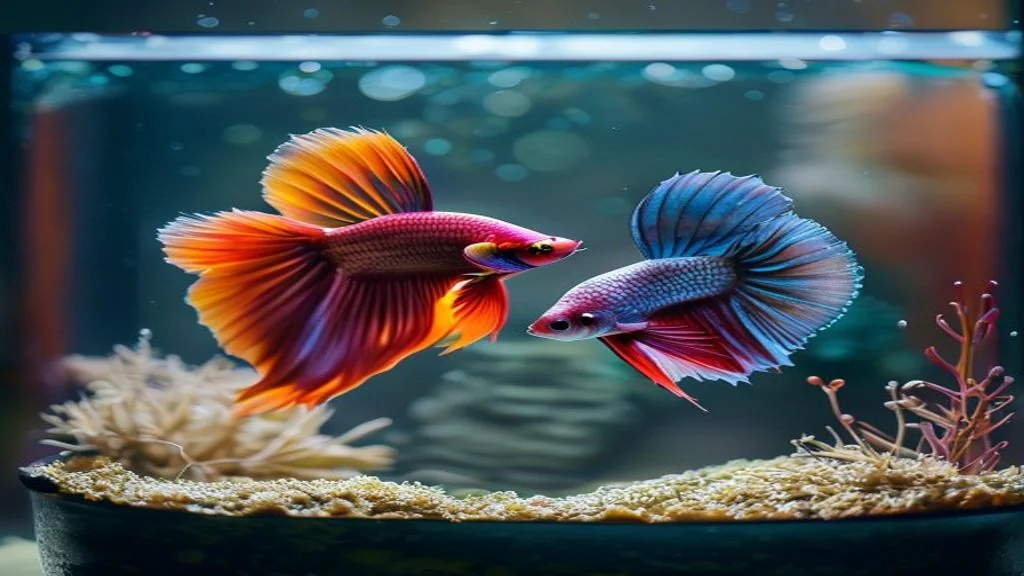
Learning how to breed betta fish properly is the difference between a thriving spawn and dozens of dead fry. This guide walks you through the entire process, choosing and conditioning the pair, the bare spawning tank, the courtship and embrace, egg incubation, and the weeks of fry rearing that follow, with honest timelines and the real commitment involved, not the romanticised version you see in 60-second videos.
Before You Start: The Honest Reality Check
Breeding bettas is not “put two together and get babies.” Done responsibly it means: a dedicated spawning tank, a grow-out plan for 30–500 fry, dozens of individual jars for males as they mature (males will fight), live food cultures, and weeks of daily care. Most failed attempts come from people who didn’t plan for the fry, only the spawn. If you can’t house and rehome the offspring, don’t breed, read betta lifespan & commitment first.
How to Breed Betta Fish: The 7 Stages at a Glance
| Stage | What happens | Time |
|---|---|---|
| 1. Pick a pair | Healthy, young (4–12 mo), known genetics | , |
| 2. Conditioning | Rich live/frozen diet, separate but visible | ~2 weeks |
| 3. Spawn tank setup | Bare, shallow, 80–82°F, sponge filter | 1 day |
| 4. Introduction | Male in first → builds nest; female visible in a chimney | 1–2 days |
| 5. Spawning | The “embrace”; eggs to the nest; remove female | Hours |
| 6. Egg/incubation | Male tends nest; eggs hatch | 24–72 hrs |
| 7. Fry rearing | Remove male; feed tiny live foods; grow out | Weeks–months |
Each stage has its own deep guide: conditioning, tank setup, the mating/spawning process, eggs, fry care, and feeding fry.
What You Need Before You Begin: Full Equipment & Supply List
Preparation is everything in betta breeding. The single most common reason a first spawn collapses is that the keeper improvised supplies after the eggs hatched instead of having everything cultured and cycled in advance. Walk into this with the following ready and you remove most of the failure points before they happen.
Hardware
- Spawning tank: a 5–10 gallon bare-bottom tank (10 gallons gives the female more room to escape between courtship bouts).
- Adjustable heater: small wattage matched to the shallow water volume, capable of holding a rock-steady 80–82°F.
- Accurate thermometer: a glass or digital one you trust; heater dials lie.
- Gentle sponge filter + air pump: run it to maturity, then turn it nearly off during spawning and the first fry days.
- Nest anchor: half a foam cup, a styrofoam square, or an Indian almond leaf floating at the surface.
- Tight-fitting lid: to trap a layer of warm, humid air for labyrinth-organ development.
- A clear “chimney”: a jar, plastic cup, or breeder box to hold the female within sight of the male before release.
- Recovery jar: a heated, clean container for the female immediately after spawning.
- Many grow-out jars: by week 8–10 you may need dozens of individually heated containers for maturing males.
Live food cultures (start these BEFORE you pair the fish)
- Infusoria or vinegar eels for the first week of free-swimming fry.
- Baby brine shrimp hatchery (cysts, salt, an air-driven hatching jar) for week 2 onward.
- Microworms as an easy supplemental culture.
The fry feeding chain is the part beginners under-plan; the full age-by-age breakdown is in what to feed betta fry, and the rearing timeline is in betta fry care week by week.
Choosing the Right Pair: Genetics and Quality
Beginners often grab any two bettas of opposite sex from a store shelf and hope. That works in the sense that fish are produced, but the offspring are frequently poor quality, deformed, or simply unsellable, which makes the rehoming problem worse. If you intend to breed, treat pair selection as the foundation of the whole project.
Ideally both fish are the same tail type and a compatible colour line, so the fry are predictable rather than a muddy mix. A halfmoon paired with a halfmoon tends to throw recognisable halfmoon fry; crossing wildly different forms usually yields irregular, low-value offspring. Both fish should be young adults (roughly 4–12 months), vividly coloured, energetic, with no history of illness, fin damage, or treatment. The female should have intact fins and no signs of egg-binding from past failed spawns; the male should be a confident, active flarer that builds nests readily. If you are unsure of sex, settle it before you invest two weeks of conditioning, see male vs female bettas and review form differences in betta types and colours. Never breed siblings repeatedly, never breed a fish you would not want to look at in its offspring, and never breed the elderly or the sick.
The Conditioning Phase in Depth (Days 1–14)
Conditioning is where most spawns are quietly won or lost, long before the fish ever meet. The goal is to load the female with eggs and give the male the energy reserves to perform hours of embracing followed by days of nest-tending without eating.
Housing during conditioning
Keep the male and female in separate, clean, well-heated containers. For the final several days, place them where they can periodically see each other (a divider, or tanks side by side). That visual contact stimulates the male to build and the female to ripen with eggs, while preventing the premature fighting that happens if they share water too early.
Diet during conditioning
Dry pellets alone do not condition a breeder. Feed both fish a rich, varied, high-protein diet two to three times a day: live or frozen bloodworms, brine shrimp, daphnia, and mosquito larvae. The female in particular needs that protein to develop a full clutch. Rotate foods, feed small portions frequently rather than one large meal, and watch for the bloating and constipation that derail conditioning. Use the quality guidance in best live foods for bettas and the diet principles in what do betta fish eat. Because heavy feeding fouls water fast, do near-daily small water changes throughout conditioning. The complete protocol lives in conditioning bettas for breeding.
Day-by-Day: What a Typical Spawn Actually Looks Like
No two spawns run on an identical clock, but this is the realistic rhythm so you know whether yours is normal or stalling.
- Day 0 (evening): Male goes into the prepared spawn tank. Female added in her chimney. Lights dim.
- Day 1: Male explores, flares at the female through the cup, begins a bubble nest under the anchor. Female shows interest, may darken and display vertical bars.
- Day 1–2: Nest grows. Female’s bars are strong, belly visibly full, sometimes a white egg spot showing. When the male is nest-focused and the female is clearly receptive, release her near lights-out.
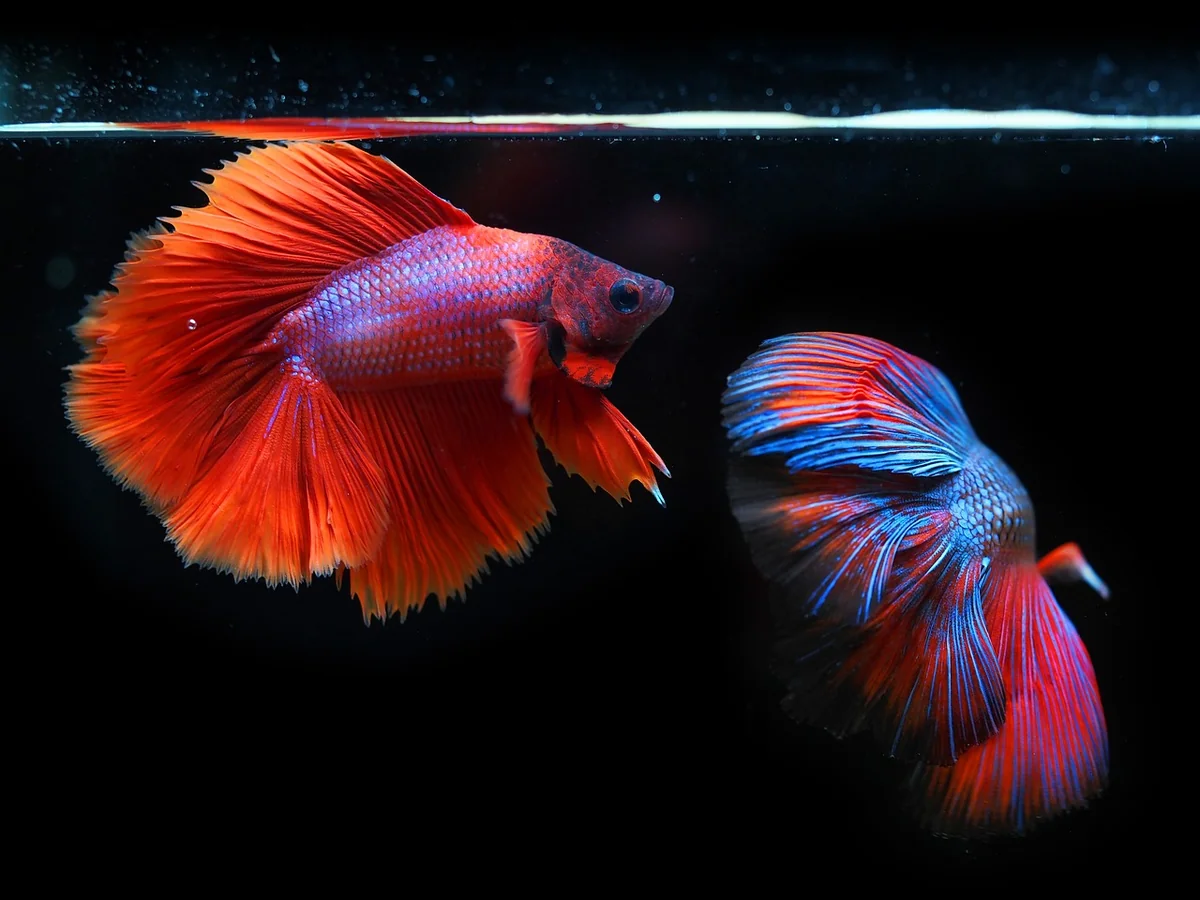
- Day 2–3: Courtship chase. Flaring, fin-spreading, the male leading her to the nest. Some torn fins are normal. The embrace begins under the nest; eggs drop in batches and the male gathers them. This can run for several hours.
- End of spawning: Female stops releasing eggs, often hides or sits low. The male switches from courtship to guarding and starts driving her off. Remove the female now.
- Hours 0–72 post-spawn: Male alone tends the nest, catching fallen eggs, blowing new bubbles, eating unfertilised ones. Eggs hatch in roughly 24–72 hours (often 24–36).
- Post-hatch days 1–3: Fry hang tail-up from the nest absorbing their yolk sac. Do not feed yet. Male still tending.
- Post-hatch day 3–4: Fry become free-swimming and horizontal. Remove the male. Begin tiny live-food feeding.
The spawning act itself is detailed in how do betta fish mate, and what the eggs should look like at each stage is covered in betta fish eggs.
The Fry Grow-Out Plan (the Part That Decides Success)
Anyone can get two healthy bettas to spawn with good conditioning. What separates real breeders from people with a tank of dead fry is the grow-out plan, and it must exist on paper before the pair ever meets.
Weeks 1–4
Fry are microscopic and fragile. They need warmer water than adults (about 82–85°F), a tight lid for the warm humid air layer, microscopic food several times daily, and tiny 5–10% daily water changes done with airline tubing so fry are not sucked up. Around weeks 3–6 they develop the labyrinth organ and begin gulping surface air, chilled, draughty air at this stage causes losses.
Weeks 4–8
Growth accelerates on baby brine shrimp. You slowly raise the water level, increase the volume of water changes, and watch for size variation, bigger fry will out-compete and sometimes cannibalise smaller ones, so culling or sorting by size becomes part of the job.
Weeks 8 and beyond — the jarring wall
This is the commitment nobody mentions in the hype videos. From roughly 8–10 weeks the young males turn aggressive and will fight, frequently to the death. Every single male needs its own heated, clean jar with daily maintenance. A modest spawn of 80–100 fry can mean 80–100 individual containers and an hour-plus of daily work for months. Females can sometimes be grown out together with care; males cannot. The instinct behind this is explained in betta aggression & chasing. If you cannot house and rehome this many fish, you should not start, re-read the commitment framing in betta lifespan & commitment.
Common Failure Points and How to Avoid Them
| Failure point | Cause | Prevention |
|---|---|---|
| No spawn after 48 hrs | Pair not conditioned/ready; wrong temperature; stress | Re-condition, verify 80–82°F, dim and quiet tank, confirm sexes |
| Eggs all turn white/fungus | Infertile spawn, dirty water, or too few good eggs for the male to manage | Pristine water, well-conditioned mature pair, leave the male to cull bad eggs |
| Female badly injured | Left in too long after spawning; no hides | Provide plant cover; remove her the moment guarding behaviour starts |
| Male eats the whole clutch | Inexperienced first-time male; disturbance; bright light | Often resolves on a second attempt; keep tank dim, still, undisturbed |
| Fry die in week 1 | Live food not cultured in advance | Start infusoria/vinegar eels during conditioning |
| Fry die in weeks 2–4 | Ammonia from overfeeding; chilled air; strong filter current | Tiny daily changes, tight warm lid, sponge filter on lowest |
| Mass male losses ~week 8+ | Males left together past the aggression threshold | Jar every male individually before week 8–10 |
Is Breeding Bettas Worth It?
For the right person, someone with space, time, a rehoming network, and genuine interest in the genetics, breeding bettas is deeply rewarding and one of the most engaging projects in the hobby. For someone hoping for an easy batch of cute babies, it is a fast route to dead fry and an overwhelmed keeper. There is rarely real money in it after equipment, food, electricity, and the sheer hours; treat it as a labour of love, not a side income. If after reading the honest version you still want to proceed, work through each linked stage guide in order and prepare everything before you pair a single fish.
Is the Pair Ready? Conditioning Readiness Signs
Go by the fish, not the calendar. Two weeks of conditioning is typical, but move the pair to the spawning tank only when both show these signs:
| Signal | Female ready | Male ready |
|---|---|---|
| Body | Rounder, full with eggs | Well fed, no fin damage |
| Colour | Vertical breeding bars (not horizontal stress stripes) | Bright, intensified colour |
| Breeding cue | A visible white egg spot (ovipositor) | Builds bubble nests on his own |
| Behaviour | Approaches the male with interest, does not flee | Flares and displays, builds harder when she is in view |
Over-feeding during conditioning can backfire. A bloated, constipated fish will not spawn, so feed small portions of varied live and frozen food 2–3 times a day and keep the water very clean.
Betta Eggs: Numbers, Hatching Time and What Is Normal
A spawn usually produces 30–40 eggs, often 50–100 or more from a well-conditioned pair, and rarely up to several hundred. At a stable 80–82°F most eggs hatch in 24–72 hours, commonly 24–36. The fry then hang from the nest for 2–3 more days while they absorb their yolk sac.
| Fertilised | Unfertilised | |
|---|---|---|
| Colour | White, turning slightly yellow | Stays chalky white |
| Over time | Grows, shows a grey embryo spot | No change, then grows fungus |
| What the male does | Tends and re-nests them | Eats them (normal and helpful) |
When a clutch fails
| What you see | Most likely cause | Change next time |
|---|---|---|
| All eggs white, none develop | Infertile spawn or a pair that was not ready | Condition longer; confirm the sexes; use a mature male |
| Eggs develop, then go fuzzy | Fungus from dirty water | Spotless, cycled tank; do not feed the tank during incubation |
| Eggs scattered or gone in hours | Filter current, or eggs lost in substrate | Bare bottom; turn the filter off or right down |
| Male ate the whole clutch | First-time male, bright light, disturbance | Keep the tank dim and quiet; try again, it often works the second time |
| Eggs never develop | Water too cool or swinging | Hold 80–82°F, checked with a separate thermometer |
Do not try to “help” the eggs by removing the male early. His tending keeps the eggs oxygenated and removes the bad ones. Remove him only when the fry swim horizontally, as covered in betta fry care.
Sources & Further Reading
Hepper (vet-approved), How to Breed Betta Fish; Aquarium Store Depot, breeding betta fish; Nippy Fish, conditioning/spawning; Inglorious Bettas, spawning set-ups; Nippy Fish, Conditioning Bettas for Breeding; Bettafish.com forum, conditioning & spawning; Aquarium Store Depot, breeding guide; Hepper (vet-approved), breeding bettas; A-Z Animals, Betta Fish Eggs: Hatching Time & How Many; FishLab, how many eggs do bettas lay; Aquariadise, telling if betta eggs are fertilised; Wild Betta Blog, betta eggs 101.
Frequently Asked Questions
How do you breed betta fish step by step?
Condition a healthy pair ~2 weeks, set up a bare shallow 80–82°F spawn tank, add the male to build a nest, release the female, let them spawn (the embrace), remove the female, let the male tend eggs (hatch 24–72 hrs), then remove the male and raise the fry.
How hard is it to breed betta fish?
Spawning is moderate; raising the fry is the hard part, weeks of live-food feeding and, later, dozens of individual jars for maturing males. It’s a real commitment, not a casual project.
How old should bettas be to breed?
Ideally 4–12 months, mature but young, healthy, and vividly coloured. Avoid old, sick, or stressed fish.
How long does betta breeding take from start to finish?
About 2 weeks conditioning, 1–2 days to spawn, 24–72 hours to hatch, then several weeks to months raising fry to maturity.
Will the parents eat the eggs or fry?
The male eats unfertilised eggs (normal) and may eat free-swimming fry, so he’s removed once fry swim horizontally. The female is removed right after spawning.
Can I make money breeding betta fish?
Rarely, once you account for equipment, live food, electricity, and the months of daily labour. Treat betta breeding as a rewarding hobby project, not a reliable income source.
How many eggs do betta fish lay?
Usually 30-40 per spawn, often 50-100 or more from a well-conditioned pair, and rarely up to several hundred.
How long do betta eggs take to hatch?
About 24-72 hours at a stable 80-82F, most often 24-36 hours. The fry then hang from the nest for 2-3 days while they absorb the yolk sac.
How do I know when bettas are ready to breed?
The female looks round with eggs, shows vertical bars and a white egg spot, and approaches the male. The male has bright colour and builds bubble nests. This usually takes about two weeks of conditioning.