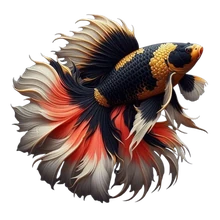
If you are dealing with betta aggression, your betta chasing tank mates, flaring nonstop, nipping fins, or even biting its own tail, the most reassuring thing to know is that it is almost never a “broken” or “mean” fish. Aggression is hard-wired territorial behaviour that the environment turns up or down. This guide explains what is normal versus a problem, ranks the real drivers, and gives you a step-by-step plan to defuse it before damage is done.
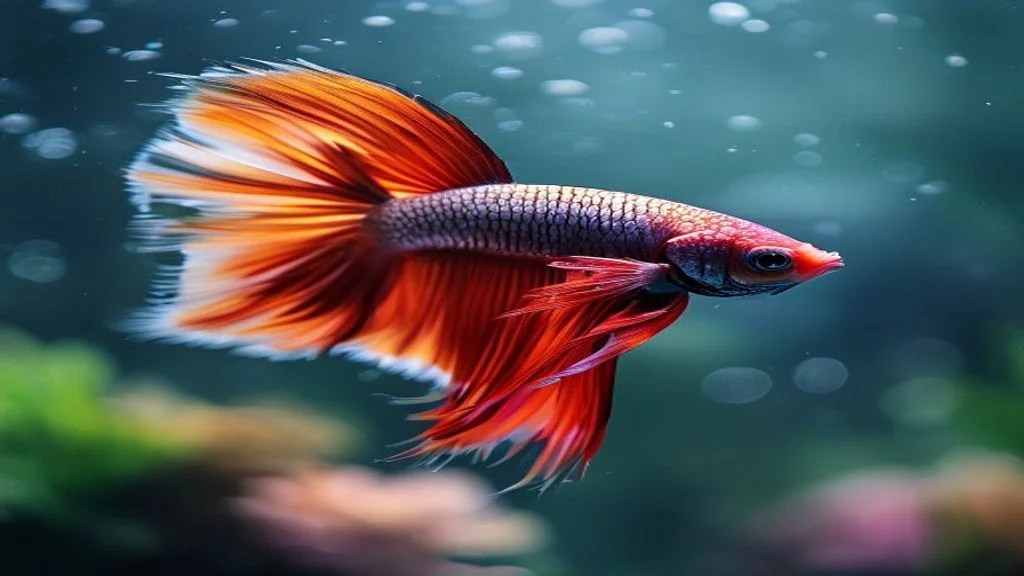
What’s Normal vs. a Problem
- Normal: brief flaring at a new object, mild posturing, the occasional chase that ends quickly.
- Problem: relentless chasing, fin-nipping that draws damage, attacking until a fish hides constantly, or self-directed tail-biting.
Persistent chasing leads to torn fins and then fin rot, for either fish, so it’s a health issue, not just behaviour.
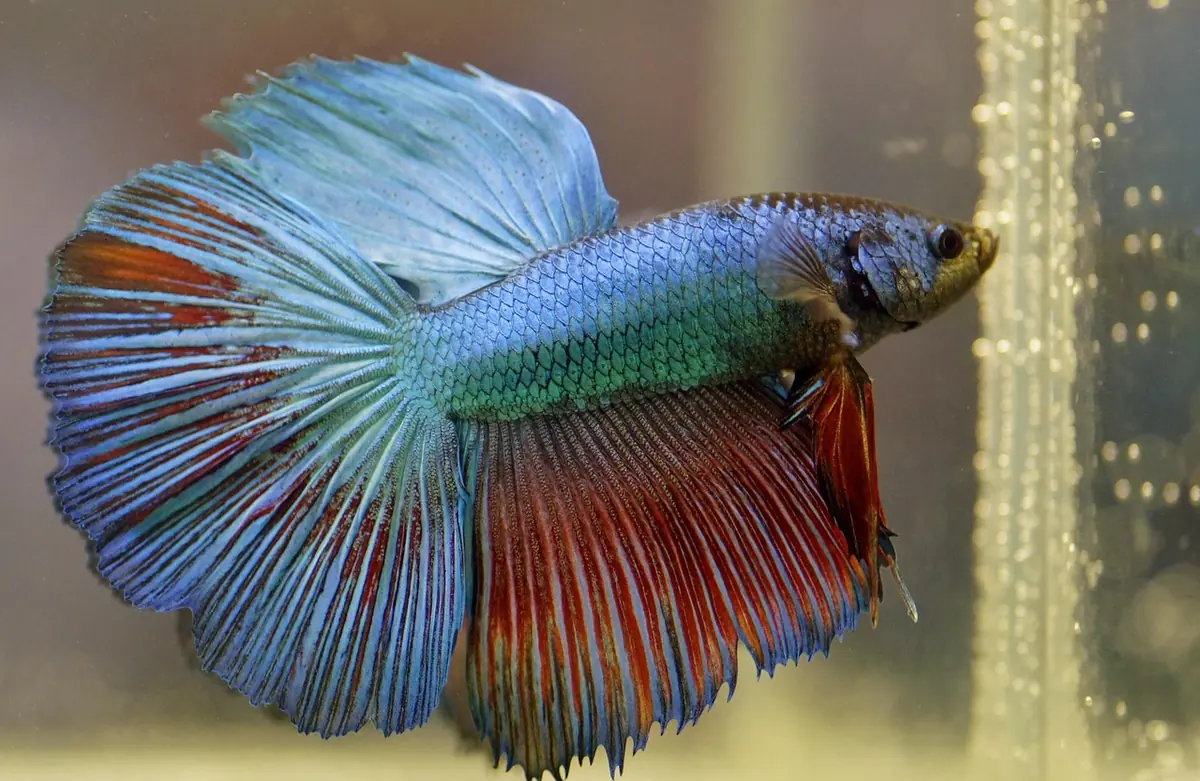
“My Betta Is Aggressive” — It’s Almost Never a Broken Fish
Owners often think they got a “mean” betta. Aggression is hardwired species behaviour amplified by the setup, change the inputs and the behaviour usually changes. Audit the real drivers:
| Driver | What it looks like | Fix |
|---|---|---|
| Tank too small | Whole tank is “his”; nowhere for others to escape | Bigger tank (size guide) |
| Wrong tank mates | Targets bright/long-finned fish | Choose safe mates; avoid worst ones |
| Reflections | Attacks the glass / a “rival” that isn’t there | Dim light, add background |
| No sight breaks | Constant line of sight = constant conflict | Heavy planting, décor |
| Breeding hormones | Males near females; sorority tension | Separate; sororities are expert-only |
Fix the inputs and most “aggressive” bettas calm noticeably. The fish isn’t defective, it’s a territorial animal reacting to a triggering environment.
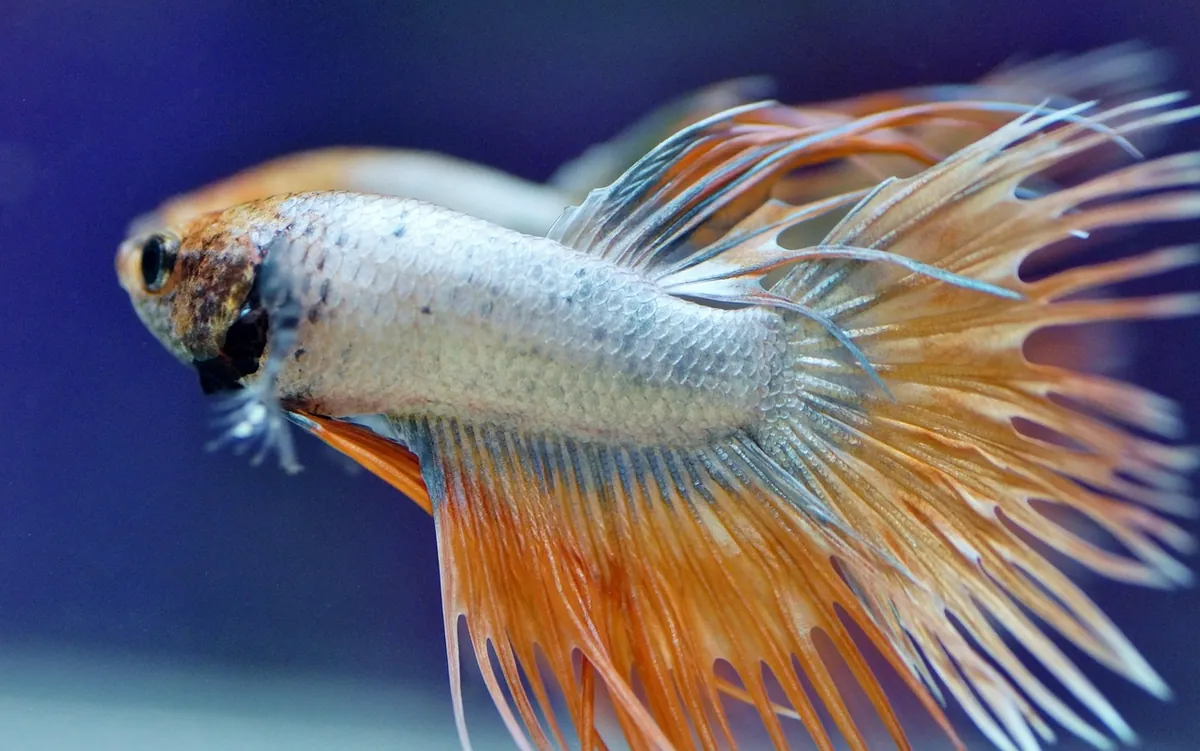
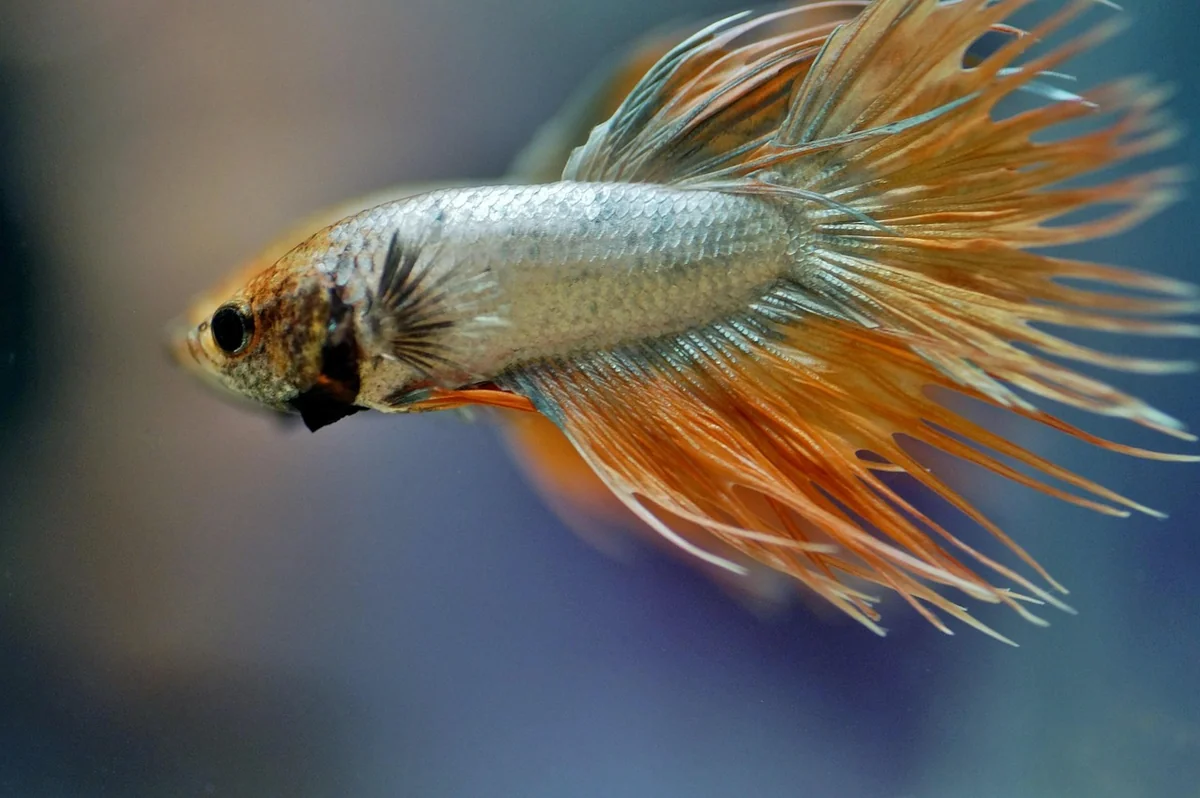
The Tail-Biting Special Case
Self-directed aggression, a betta biting its own tail, confuses owners because there’s no opponent. It deserves its own approach:
- It’s usually frustration/boredom/stress, most common in long-finned fancy types whose heavy tails are “in reach” (see betta types and colors).
- Distinguish it from fin rot: biting leaves clean, sudden chunks/notches; rot is progressive, discoloured, fuzzy. Mixing these up means treating the wrong thing.
- The fix is enrichment + calm: more plants/hides, reduce reflections and stressors, vary the routine, a bored betta in a bare tank is the classic biter.
- Protect the bitten fin: keep water pristine so the self-inflicted damage doesn’t get infected and turn into actual fin rot.
And the reframe that relieves a lot of guilt: a betta that must live alone is not a failure. Solitary, territorial life is natural for the species, a calm single betta in a good tank is a complete success, not a problem to “fix.” Watch for ongoing stress signs and keep a backup tank if you do attempt a community.
Why Bettas Are Aggressive in the First Place
Understanding the biology removes most of the frustration, because it tells you the behaviour is normal and largely environmental rather than a defect to be ashamed of. Betta splendens are intensely territorial by nature, and the famous fighting temperament of the males was deliberately amplified by centuries of selective breeding in Southeast Asia. In the wild, males hold a small territory, build and guard a bubble nest, and drive off rivals, survival and reproduction depend on it. That instinct does not switch off in an aquarium. So when a betta chases, flares, and nips, it is not malfunctioning; it is doing exactly what its biology tells it to do. The lever you control is the environment that decides how often, and how intensely, that instinct fires.
Normal display vs. genuine problem aggression
Not all aggression is a crisis. Brief flaring at a new object, mild posturing, and the occasional short chase that ends quickly are within normal range, bettas establish and assert territory and that is healthy expression. It crosses into a problem when it becomes relentless chasing, fin-nipping that draws actual damage, attacking until another fish hides constantly and cannot eat or rest, or self-directed tail-biting. Persistent chasing tears fins, and torn fins frequently progress to fin rot, for either fish involved, so problem aggression is a health issue, not just a behavioural one.
The Real Drivers of Betta Aggression, Ranked
“Why is my betta so aggressive” almost always traces back to one or more of these, listed roughly in order of how often they are the culprit.
1. A tank that is too small
The most common amplifier. In a cramped tank the entire volume is the betta’s territory and there is no neutral ground for anyone else to retreat to, so conflict is constant. Fix: a bigger tank with room to establish zones, see the tank size guide.
2. The wrong tank mates
Bright, flashy, or long-finned fish read to a betta as rival males and provoke targeted aggression; slow or fin-trailing fish become easy targets. Fix: choose only safe tank mates and avoid the worst ones.
3. Reflections
A betta that attacks the glass is often fighting its own mirror image, a “rival” that never backs down. Tell-tale: aggression aimed at one wall, often with flaring, tracking the lighting. Fix: dim the tank light, balance room-vs-tank brightness, and add a dark background.
4. No sight breaks
An open tank with constant line of sight between fish means constant confrontation. Fix: heavy planting and décor so fish can break visual contact and de-escalate.
5. Breeding hormones
Males near females, or females housed together in a sorority, run high on breeding-related aggression. Fix: separate males and females; treat sororities as an advanced, expert-only setup, not a beginner solution.
6. Stress and poor water
Bad water and general stress lower the threshold for every other trigger, making an already territorial fish edgier and quicker to attack. Fix: keep water pristine and stable, the same foundation as disease prevention.
Step-by-Step: How to Calm an Aggressive Betta
- Right-size the tank and add heavy planting and sight breaks so fish can escape each other’s line of sight and find neutral ground.
- Re-evaluate every tank mate. Remove anything bright, long-finned, slow, or nippy. Be honest, many “community” choices simply do not work with a betta.
- Kill reflections. Dim the lighting, add a dark background, and move the tank out of direct light so it stops fighting itself.
- Separate for breeding hormones. Never house males together; do not attempt a sorority unless you have an expert-level setup and a plan for failures.
- Fix water and reduce stress. Stable, pristine water lowers baseline edginess and makes every other fix work better.
- Have a backup tank ready. Some bettas simply must live alone. A spare tank lets you separate fish immediately when needed, that is good preparation, not failure.
- Reassess after each change. Adjust one variable, observe for several days, and you will usually see what was driving the aggression.
When to Worry — and the Reframe That Helps
- Low concern: brief flaring, mild posturing, an occasional short chase with no damage. Normal territorial expression.
- Act soon: repeated chasing, any fin damage on either fish, or a tank mate that hides constantly and can’t eat. Damage leads to fin rot, separate fish and fix the setup now.
- Act now: sustained attacks causing visible injury, or a fish being cornered with nowhere to escape. Remove the targeted fish immediately to a backup tank.
And the reframe that relieves a lot of guilt: a betta that must live alone is not a failure. Solitary, territorial life is natural for the species, a calm single betta in a good tank is a complete success, not a problem to “fix,” and it will show the everyday signs of a happy betta. Aggression rarely travels alone: the same triggers often drive non-stop flaring and glass surfing, so fixing the setup usually calms all three at once.
Mistakes to Avoid
- Thinking you got a “mean” betta. Aggression is species-normal behaviour amplified by the setup. Change the inputs and the behaviour usually changes.
- Adding more tank mates to “spread out” the aggression. More targets in the same small space usually means more conflict, not less.
- Forcing a community on a fish that clearly wants solitude. Repeated reintroductions just injure fish. Some bettas are permanently solitary, and that is healthy.
- Confusing tail-biting with fin rot (or vice versa) and treating the wrong problem. Read the edges: clean notches versus progressive, fuzzy decay.
- Leaving reflections in place. A betta fighting the glass all day is in chronic conflict, kill the mirror image first.
- Trying a sorority as a beginner. Female-only groups are an advanced, high-risk setup, not an easy way to keep multiple bettas.
Sources & Further Reading
Bettafish.org, betta behaviour & tank mates; Aquarium Store Depot, aggression/tank mates; FishLab, betta compatibility; The Spruce Pets, betta temperament.
Frequently Asked Questions
Why is my betta so aggressive?
Bettas are instinctively territorial. Aggression is amplified by small tanks, wrong tank mates, reflections, lack of sight breaks, breeding hormones, and stress, fix the setup and it usually drops.
Why is my betta chasing other fish?
It sees them as intruders in its territory, especially bright or long-finned fish in a tank that’s too small or has no hiding cover.
How do I stop my betta from attacking tank mates?
Use a larger, heavily planted tank with sight breaks, choose only safe tank mates, reduce reflections, and keep a backup tank ready.
Why is my betta biting its own tail?
Often boredom, stress, or frustration in long-finned types. Add enrichment, reduce stress and reflections, and keep water clean to prevent fin infection.
Why is my betta attacking its reflection?
It sees its mirror image as a rival that never backs down. Dim the tank light, balance room-vs-tank brightness, and add a dark background to remove the reflection.
How can I tell tail-biting from fin rot?
Tail-biting leaves clean, sudden chunks or notches, often appearing overnight. Fin rot is progressive, discoloured, and frequently fuzzy at the edges. They’re treated differently, so identify correctly.