If you’re trying to determine how often to feed a betta fish, the practical answer is simple—but the correct implementation requires nuance.
A healthy adult Betta splendens typically does best with 1–2 controlled meals per day, totaling an amount roughly equal to the size of its eye. Fry require more frequent micro-meals. The real variable is not just frequency—it’s portion precision, tank conditions, and metabolic stability.
Most feeding mistakes come from excess, not deficiency.
Understanding Betta Physiology Before Setting a Feeding Schedule
Bettas are labyrinth fish with a carnivorous digestive system adapted for insect-based diets. Their digestive tract is short. They are not grazing herbivores. This biological constraint matters.
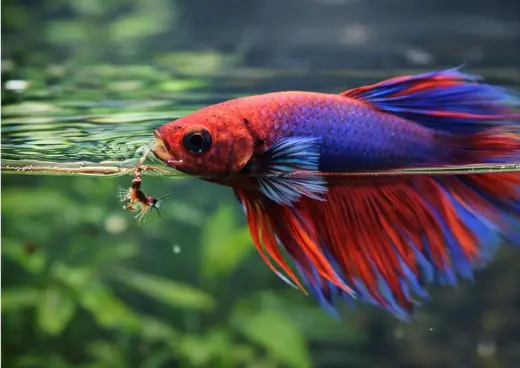
In shallow Southeast Asian waters, wild bettas consume:
Mosquito larvae
Insect fragments
Small crustaceans
Micro aquatic organisms
They eat opportunistically, not continuously.
Captive feeding must respect:
Stomach size
Protein density
Water temperature
Waste accumulation
Ignoring these variables is what leads to bloating and shortened lifespan.
Core Feeding Frequency by Development Stage
Fry (0–8 Weeks)
Young bettas grow rapidly and have limited storage capacity. They require:
3–5 micro feedings daily
Extremely small portions
High-protein micro-foods
Common starter foods:
Infusoria
Microworms
Baby brine shrimp
Long gaps between meals at this stage slow growth noticeably.
Juvenile Bettas (2–4 Months)
Metabolism remains high, but portion size increases slightly.
2–3 small meals daily
Gradual transition to micro pellets
Weekly visual body checks
Overfeeding juveniles creates fatty deposits early in life. Growth is not improved by excess calories.
Adult Bettas
Two practical models work well.
Two-Meal Model
Morning: 2–3 pellets
Evening: 2–3 pellets
Single-Meal Model
4–6 pellets once daily
The two-meal model often results in smoother digestion and lower risk of swim bladder pressure. The single-meal model works if portions are strictly controlled.
Consistency is more important than frequency variation.
A stable tank setup improves feeding behavior. Follow how to set up a betta tank
Senior Bettas (2.5–3 Years+)
As bettas age:
Activity decreases
Muscle mass changes
Metabolic rate slows
Feeding should become slightly lighter. Maintain protein quality but reduce excess caloric intake. Seniors are more prone to fatty degeneration if overfed.
Pellet Size Matters More Than Pellet Count.
Overfeeding increases ammonia rapidly. Learn how to fix it using this guide on how to lower ammonia in a betta tank:
Many owners ask, “How many pellets should I feed my betta fish?”
That depends entirely on pellet diameter and density.
Pellet Diameter Pellets per Meal Approx. Daily Total
0.5 mm 3–4 6–8
1.0 mm 2–3 4–6
1.5 mm 1–2 2–4
Most standard 1 mm pellets weigh approximately 0.01–0.02 grams each. That means an average adult betta may consume roughly 0.06–0.12 grams daily.
Switching brands without recalculating portion size is a common hidden error.
Before setting a schedule, understand diet quality. This guide explains what do betta fish eat:
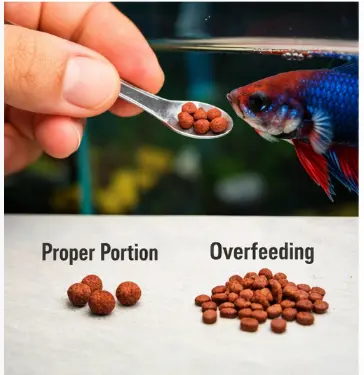
The Eye-Size Rule—Practical but Not Perfect
The well-known guideline suggests feeding an amount equal to the size of your betta’s eye.
This works because:
The stomach roughly matches eye volume
It prevents chronic overfeeding
But it fails when:
Pellets swell dramatically in water
Using oversized pellets
The fish is already overweight
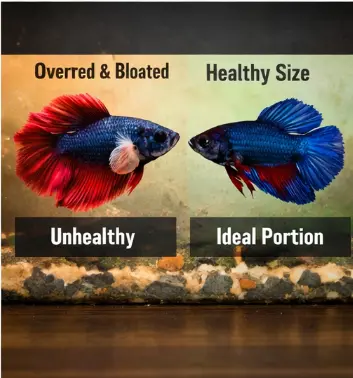
Always evaluate belly shape 5–10 minutes post-feeding. A slight rounding is acceptable. A firm protrusion is not.
Tank Temperature and Metabolic Rate
Ideal temperature range: 78–82°F (25.5–27.5°C).
Temperature directly affects digestion. See, do bettas need a heater:
At 80°F:
Digestive enzymes function efficiently
Appetite stabilizes
At 74–76°F:
Digestion slows
Food remains longer in the gut
Constipation risk increases
If your heater fluctuates, feeding frequency should not increase. Instead, slightly reduce portion size during cooler periods.
Food Type and Feeding Strategy
High-Quality Pellets (Primary Diet)
Look for:
40–50% protein
Fish meal as first ingredient
Minimal wheat filler
Pellets provide predictable nutrition and precise dosing.
Frozen Foods (Brine Shrimp, Bloodworms)
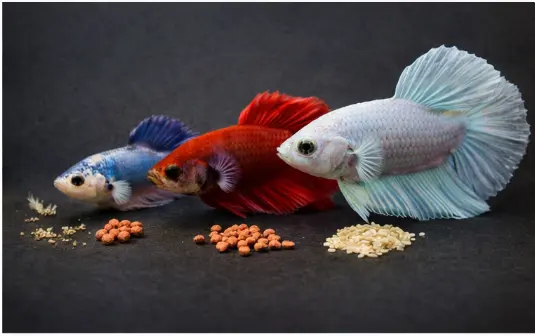
Best used:
Once or twice weekly
As replacement for a pellet meal
Bloodworms are calorie dense and high in fat. Daily use often leads to digestive strain.
Live Foods
Useful for enrichment and breeding conditioning. However:
They introduce contamination risk
They require sourcing discipline
They are unnecessary for basic health
Pellets remain the most stable nutritional base.
Feeding in Small Aquariums (3–5 Gallons)
Poor cycling leads to feeding-related stress. Learn how to cycle a betta tank safely:
In nano tanks:
Waste accumulates quickly
Biological filtration is limited
Ammonia spikes happen faster
Even one extra pellet daily can alter nitrate levels over time.
Portion discipline matters more in small volumes.
Fasting—Necessary or Optional?
Some aquarists fast their betta once per week. Others feed daily without issue.
Stable feeding routines reduce maintenance load. Follow how often to clean a betta tank
Fasting may help in cases of:
Mild constipation
Slight bloating
Sedentary behavior
It is unnecessary when portions are controlled precisely.
Never fast:
Fry
Underweight fish
Recently medicated fish
Signs of Overfeeding
Persistent abdominal swelling
Difficulty staying upright
Decreased activity
Excess waste in substrate
Chronic overfeeding leads to fatty liver changes and shortened lifespan.
Signs of Underfeeding
Sunken body profile
Visible muscle loss
Reduced coloration
Weak fin extension
Underfeeding should be corrected gradually. Doubling food immediately can shock digestion.
Feeding While Traveling
Healthy adult bettas can go 5–7 days without food safely.
Best solutions:
Automatic feeder (tested beforehand)
Pre-measured containers
Clear caretaker instructions
Avoid dissolving vacation blocks. They degrade water quality.
Feeding During Illness
If your betta develops:
Swim bladder irregularities
Digestive blockage
Reduced appetite
Pause feeding for 24–48 hours.
Reintroduce gradually:
Small portions
High digestibility food
Monitor buoyancy
Rapid refeeding after illness often causes relapse.
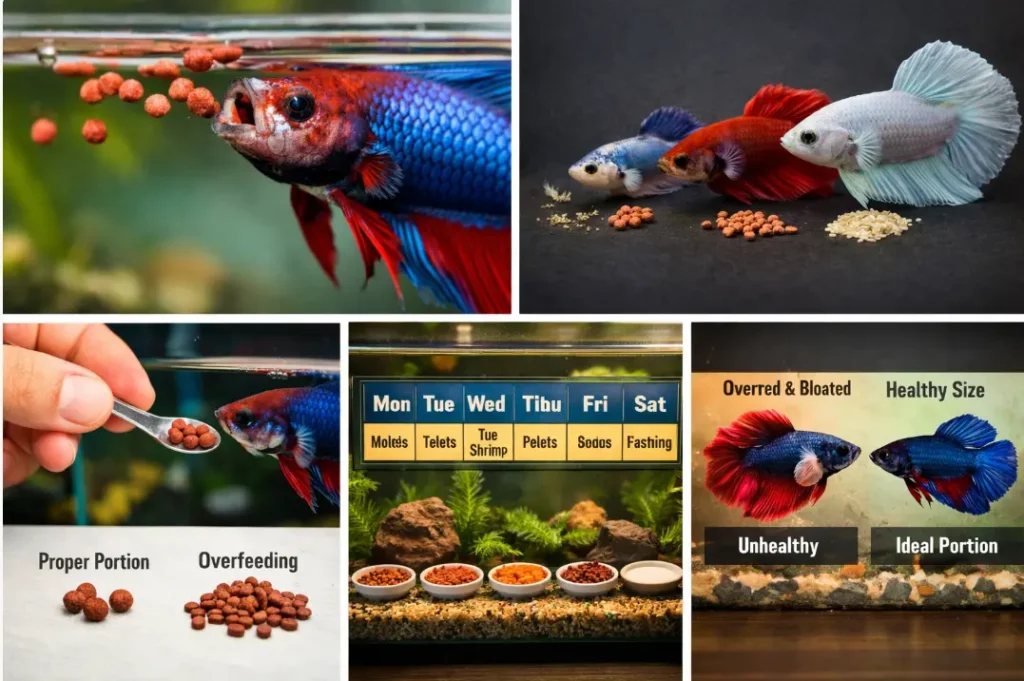
Weekly Structured Feeding Example
Monday–Friday:
Two small pellet meals daily
Saturday:
Replace one meal with frozen brine shrimp
Sunday:
Optional light feeding or rest day
Routine reduces stress and stabilizes metabolism.
Advanced Feeding Adjustments
Breeding Conditioning
When preparing breeders:
Slightly increase protein
Maintain small, frequent meals
Avoid excessive fat sources
More food does not equal better breeding outcomes. Conditioning focuses on nutrient quality, not sheer volume.
Activity-Based Adjustments
Highly active bettas in larger tanks may tolerate slightly higher intake. Sedentary fish in small tanks require stricter control.
Observe behavior before adjusting.
Water Quality Interaction
Feeding and water chemistry are directly linked.
Excess food increases:
Ammonia
Nitrite
Nitrate
Stable feeding reduces parameter fluctuations.
Feeding directly affects waste buildup. Follow this guide on how to clean a betta tank:
FAQs—How Often to Feed a Betta Fish
How often should I feed my betta fish per day?
Most adult bettas do well with 1–2 small meals daily. Fry require 3–5 micro feedings.
How many pellets should a betta eat daily?
Typically 4–6 small pellets daily, depending on pellet size.
Is feeding once a day enough?
Yes, if portions are controlled and digestion remains normal.
Can I feed my betta twice a day?
Yes. Two smaller meals often reduce bloating risk.
How long can a betta survive without food?
Healthy adults can survive 7–14 days, though it is not ideal practice.
Should I fast my betta weekly?
Optional. It may help digestion but is not mandatory with proper portioning.
Can overfeeding cause swim bladder issues?
Yes. Excess food can compress the swim bladder and affect buoyancy.
Do bettas know when to stop eating?
Not reliably. Many continue eating beyond satiety.
How often should I feed baby bettas?
3–5 very small meals daily using appropriate micro foods.
Is frozen food better than pellets?
Pellets offer consistency. Frozen foods are useful occasionally.
Should feeding change in colder water?
Yes. Slightly reduce portions if the temperature drops below 78°F.
How do I know if my betta is overweight?
Persistent abdominal swelling and reduced activity indicate excess weight.
How often should I feed a betta in a 5-gallon tank?
Frequency remains 1–2 meals daily, but portion precision becomes more critical.
Can I feed my betta every other day?
Not recommended for routine care unless under medical supervision.
Does pellet brand affect feeding frequency?
Frequency stays similar, but pellet size and density may change portion count.
Pingback: How Many Pellets Should Feed a Betta? Avoid These 5 Mistakes