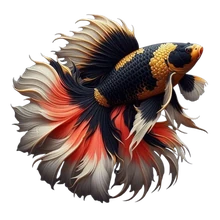
If you are asking why is my betta flaring, you are not alone, flaring gills and a fan of spread fins is one of the first dramatic behaviours new keepers notice, and one of the most misunderstood. A short flare is healthy display and exercise; a betta constantly flaring is a fish stuck in fight mode that needs help. This guide shows you exactly where the line is, why your betta flares, and how to stop the triggers behind chronic flaring.
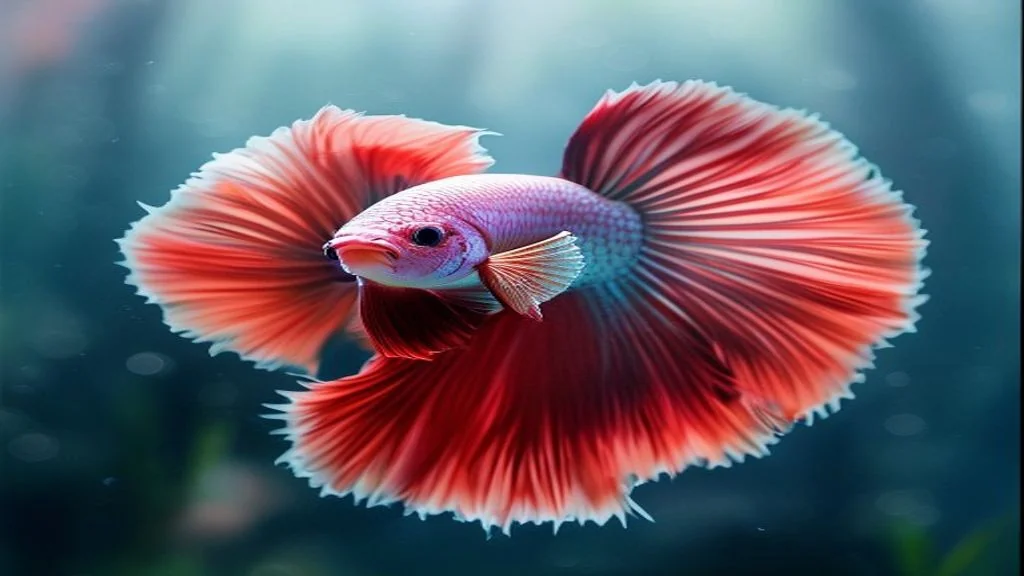
“Flare Exercise” — Is It Good?
Short, occasional flaring (a mirror for a minute or two, a few times a week) is healthy exercise. The mistake is leaving a mirror in or letting a reflection run all day, that crosses into chronic stress, which weakens immunity and can lead to issues like clamped fins and worse. Keep it brief and rare.
The “20-Minute Rule” in Practice
Most advice says “some flaring is fine” without telling you where the line is. Here’s a practical framework: a betta shouldn’t flare more than roughly 20 minutes total per week. Use this to judge your situation honestly:
| Pattern | Weekly flaring | Verdict |
|---|---|---|
| Brief flare at a new object, then calm | A few minutes | Healthy, normal exercise |
| Short mirror “exercise” sessions | ~5–15 min total | Fine if brief and occasional |
| Reacts to a reflection several times daily | Well over 20 min | Problem, remove the trigger |
| Near-constant, fixated on one spot | Hours | Chronic stress, fix urgently |
The number isn’t a lab measurement, it’s a gut-check. If you’d describe the flaring as “a lot” or “all the time,” it’s too much, full stop.
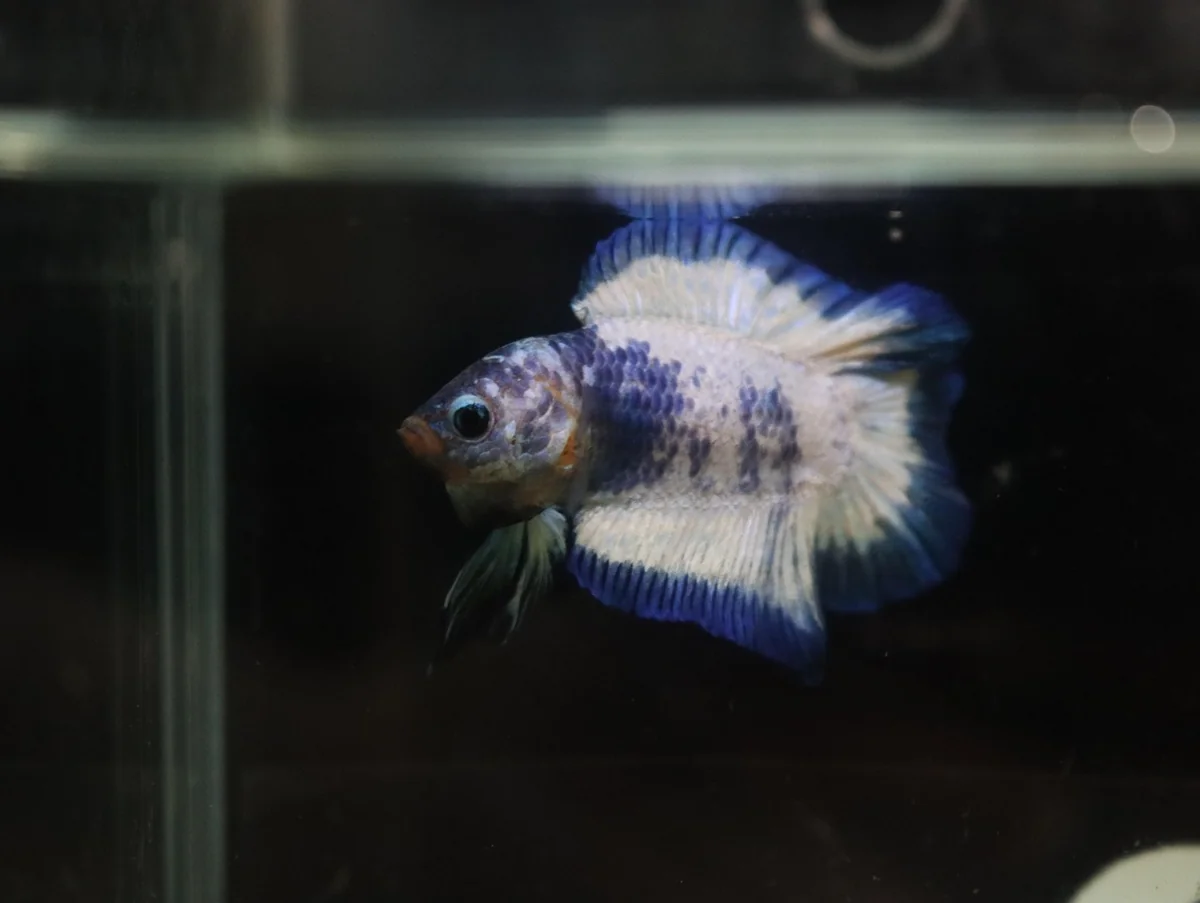
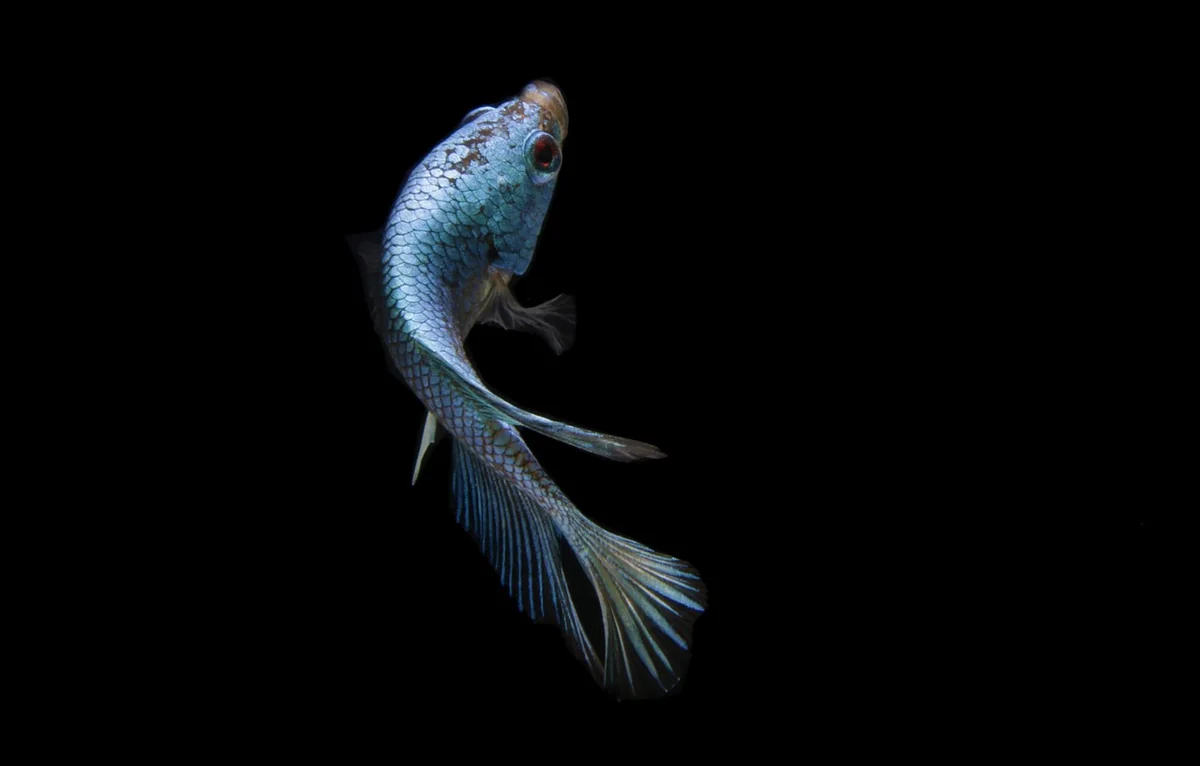
The Hidden Cost of Constant Flaring
Owners underestimate this because flaring “looks impressive.” Biologically, it’s the fish stuck in fight-or-flight mode, and it doesn’t come free:
- Energy drain. A betta that can never “stand down” burns reserves it should spend on health and colour.
- Chronic stress → weak immunity. Sustained stress hormones suppress the immune system, opening the door to clamped fins, fading, and disease, the same cascade behind most illness.
- It signals an unfixed environment. Endless flaring almost always means a reflection, a stressful tank mate, or a bare/cramped tank, diagnosable causes, not personality.
- The fix is removal, not management. Dim/relocate lighting to kill reflections, reassess tank mates (aggression & chasing), add hides, and ensure adequate tank size, don’t just “let him tire out.”
Short, occasional flaring is enrichment. Constant flaring is a welfare problem the fish is asking you to solve, treat it like the early warning it is, the same mindset as reading stress signs.
What Flaring Looks Like — A Closer Look at the Display
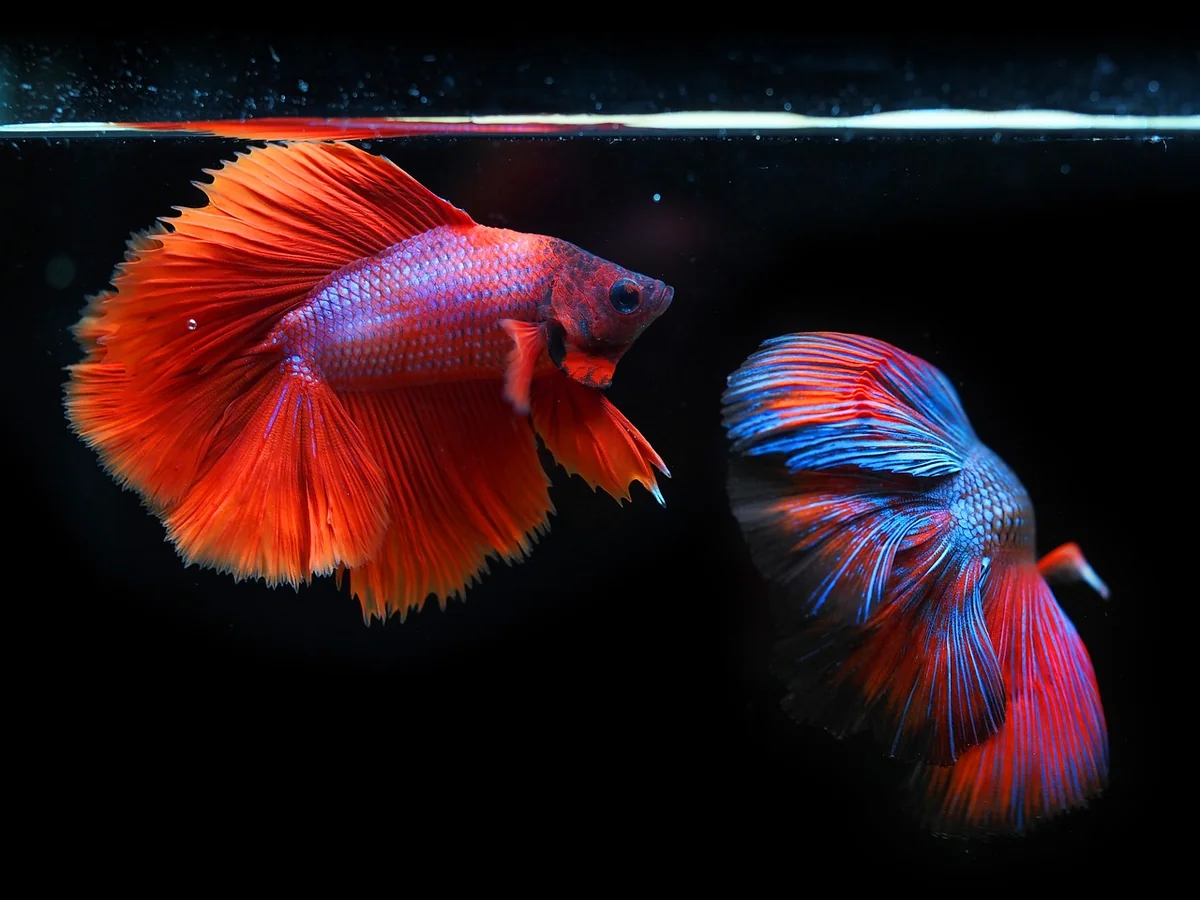
Before you can judge whether your betta’s flaring is healthy or harmful, it helps to know exactly what a full display involves, because owners often confuse a half-hearted twitch with a genuine flare. A complete flare is a coordinated, whole-body performance, and recognising the parts tells you how worked up the fish actually is.
The gill flare (operculum extension)
The most striking element is the gill flare. The betta swings out its gill covers (the operculum on each side) and pushes forward the membrane underneath, the beard. In many males this beard is darkly coloured and dramatic; it makes the head look two or three times its normal width. A fish doing this is signalling maximum threat. Brief gill flaring at a new tank mate or your finger is normal; a betta that holds the gills out for long stretches, again and again, is the textbook picture of chronic stress.
Fin spread and body posture
At the same time, every fin snaps open, dorsal, anal, caudal, and the pelvics, to make the silhouette as large as possible. The body often turns broadside to the “rival” and may shimmy or quiver. Some bettas curl into a slight S-shape and vibrate. None of this is abnormal on its own; it is the duration and frequency that decide whether you are watching healthy display or a welfare problem. A relaxed betta between flares lets the fins fall soft and the gills sit flat, if your fish never reaches that relaxed state, the environment is the thing to fix, not the fish.
Why Is My Betta Flaring? The Reasons, Ranked
“Why is my betta flaring” almost always has a concrete, findable answer. Here are the causes in roughly the order you should suspect them, from most common to least.
1. Its own reflection (the number-one cause)
This is the single most frequent reason a betta flares constantly. Aquarium glass becomes a mirror when the room outside is darker than the brightly lit tank, or when a lamp or window throws a reflection onto one pane. The betta sees a “rival” that mirrors its every move and never backs down, so it never stands down either. Tell-tale sign: the fish flares at one particular wall, often the same time of day, and the flaring tracks the lighting. The fix is to kill the reflection, reduce tank brightness, move the tank away from direct light, balance room and tank light, and add a dark or printed background to the back and ends.
2. A tank mate or neighbouring fish
A betta housed with the wrong companions, or able to see another betta in an adjacent tank, will flare at them as rivals. Bright, flashy, or long-finned fish are read as competing males and provoke the most display. If the flaring is aimed at a specific fish, the pairing is the problem; review worst tank mates for betta fish and consider separating the fish or adding heavy planting so they cannot maintain constant line of sight.
3. A new tank or rearranged environment
Moving to a new tank, or a big décor change, can trigger a burst of flaring while the betta re-establishes its territory. This kind is usually self-limiting: it settles over a few days as the fish accepts the space. See introducing a new betta for how to make the transition calmer. If it does not settle within a week or two, look for an underlying trigger like a reflection.
4. A bare, boring, or cramped tank
A betta with no plants, no caves, and no sight breaks has nothing to do and nowhere to retreat, so it fixates on reflections and movement and flares more. A tank that is too small magnifies this, the whole volume is “his” and there is no neutral ground. Enrichment (plants, caves, leaf litter) and an adequately sized tank both reduce flaring. See the tank size guide.
5. Poor or unstable water
Ammonia, nitrite, or wildly swinging parameters make a betta edgy and reactive. Stress from bad water lowers the threshold for every other trigger, so a fish that might tolerate a faint reflection in clean water will flare at it constantly in a dirty one. Test the water and bring ammonia and nitrite to zero before assuming the cause is purely behavioural.
6. You, your hand, or your phone at the glass
Bettas frequently flare at fingers, faces, phones, and feeding tongs pressed to the glass. A quick flare here is harmless curiosity-meets-territory. It only becomes a problem if you deliberately provoke long sessions for entertainment, that is not exercise, it is stress.
Step-by-Step: How to Stop a Betta From Flaring Constantly
If you have decided the flaring is excessive, work through these steps in order. The goal is always to remove the trigger, not to “manage” or wait out a fish stuck in fight mode.
- Test the water first. Confirm ammonia and nitrite at 0 and do a dechlorinated partial water change. Edgy fish in poor water flare at everything; rule this out before anything else.
- Kill reflections. Lower the tank light or shorten the photoperiod, move the tank away from windows and lamps, even out room-vs-tank brightness, and add a dark or printed background to the back and both ends. This single step ends the majority of chronic-flaring cases.
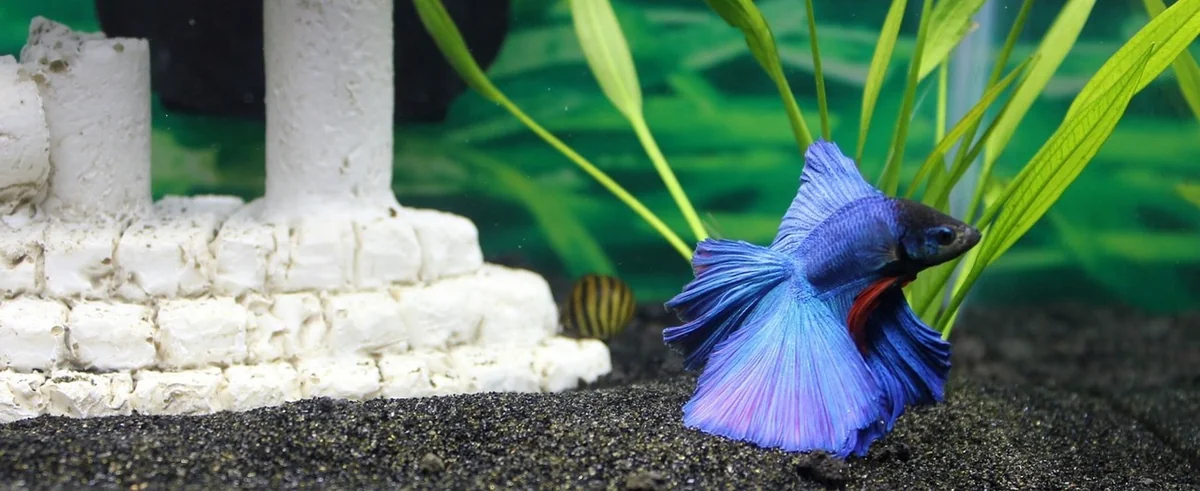
- Add cover and sight breaks. Dense planting, caves, and floating plants give the betta places to break line of sight and somewhere to feel secure. A fish that can retreat stops feeling it must constantly defend.
- Reassess tank mates. Remove or rehome anything bright, long-finned, or flashy that the betta is targeting, or separate adjacent tanks so two males cannot see each other.
- Right-size the tank. If the fish is in a bowl or a very small tank, upgrade. More space and proper enrichment lower baseline stress and reduce fixation.
- Remove any mirror or “exercise” stimulus. If you have been using a mirror, take it away except for very brief, occasional sessions, and never leave it in place.
- Give it a few days. Once the trigger is gone, a previously fixated betta usually winds down within days. If it does not, recheck for a missed reflection or a stressor.
When to Worry — and When Not To
Use this as a quick decision guide rather than agonising over every flare.
- Don’t worry: a brief flare at a new object, tank mate, or your hand, after which the fish calms, eats normally, and stays brightly coloured. A short, occasional mirror session a couple of times a week is fine too.
- Investigate: flaring that adds up to well over roughly twenty minutes total per week, is aimed obsessively at one spot or reflection, or comes alongside paling colour, clamped fins, or reduced appetite. Now it is a stress symptom, cross-check signs of stress in betta fish and clamped fins.
- Act promptly: near-constant flaring for hours a day with a fish that is faded, clamped, and off its food. This is chronic stress eroding the immune system; find and remove the trigger now rather than watching it continue.
Mistakes to Avoid
A few common errors keep bettas flaring far longer than necessary, or actively make things worse:
- Treating constant flaring as “personality.” It is almost always a diagnosable environmental trigger, not the fish’s character. Dismissing it leaves a stressed animal stressed.
- Leaving a mirror or reflection in place. “Exercise” only counts when it is brief and occasional. An all-day reflection is the opposite of healthy.
- Stripping the tank bare to “calm it down.” Removing cover increases fixation and stress. A betta with more hides and sight breaks flares less, not more.
- Provoking long flares for video or entertainment. A clip is not worth pushing a fish into prolonged fight-or-flight.
- Skipping the water test. Poor water lowers the threshold for every other trigger; ignoring it means the flaring may persist even after you fix the reflection.
- Adding a “calming” tank mate. A betta that flares at fish does not need company to settle, it usually needs the company removed and the line of sight broken.
Short, occasional flaring is enrichment and even healthy exercise. Constant flaring is a welfare problem the fish is asking you to solve, read it as an early warning, fix the trigger, and the behaviour resolves on its own. Flaring is just one piece of the puzzle: a calm, well-kept betta shows the broader signs of a happy betta, while chronic flaring sits alongside other stress behaviours like glass surfing and constant hiding.
Sources & Further Reading
FishkeepingWisdom, Why Do Betta Fish Flare?; Hygger, betta flaring gills/fins; BettaFishBay, 7 reasons bettas flare; The Spruce Pets, betta behaviour.
Frequently Asked Questions
Why is my betta flaring?
It’s a territorial display and mild exercise. Brief flaring is normal; constant flaring means a trigger like its reflection, a tank mate, or stress that should be removed.
Is it bad for a betta to flare?
Occasional short flaring is healthy. More than about 20 minutes total per week becomes stressful and can harm the fish over time.
How do I stop my betta from flaring constantly?
Find and remove the trigger, reduce reflections/light, address tank mates, add hides, fix water quality, and ensure an adequate tank size.
Should I use a mirror to exercise my betta?
Only briefly and rarely (a minute or two, a few times a week). Leaving a mirror or reflection all day causes chronic stress.
Is my betta flaring at me?
Possibly, bettas may flare at hands, phones, or faces at the glass. A quick flare is harmless; don’t deliberately provoke long sessions.
Does flaring damage a betta’s fins or gills?
Brief flaring does not. Constant flaring keeps the fish in fight-or-flight, drains energy, suppresses the immune system, and can lead to clamped fins, fading, and disease over time. The damage is from chronic stress, not the display itself.