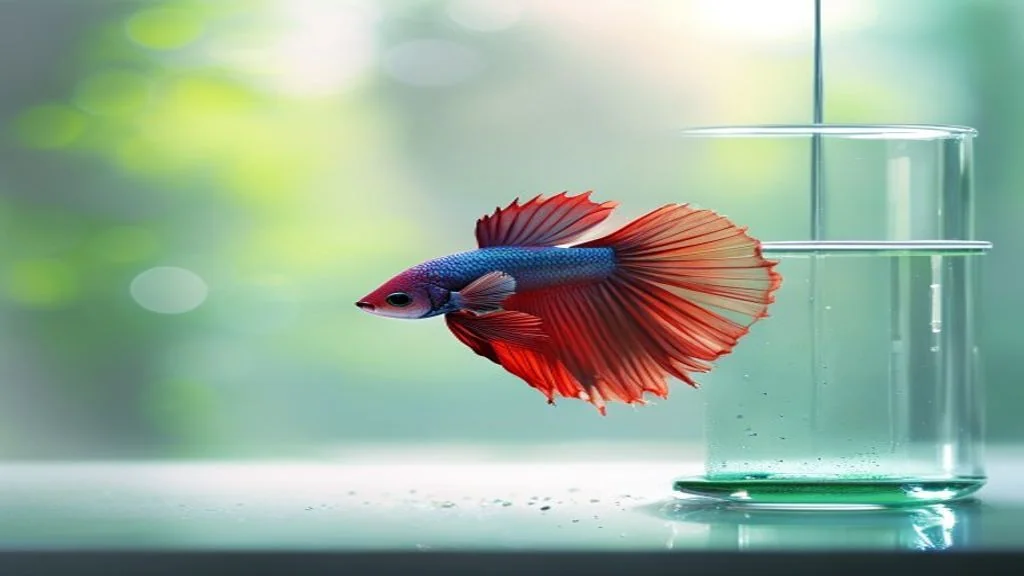
Ideal pH for Betta Fish: The 7.0 Target (and Why Stability Beats Perfection)

Ideal pH for Betta Fish: The 7.0 Target (and Why Stability Beats Perfection)

The ideal pH for betta fish is around 7.0, with anything from 6.5 to 7.5 being perfectly healthy, but the single most important thing to understand is that a stable pH matters far more than a “perfect” one. Many bettas are harmed by owners chasing the magic number 7.0 with chemical adjusters than by an

Ideal pH for Betta Fish: The 7.0 Target (and Why Stability Beats Perfection) Read More »
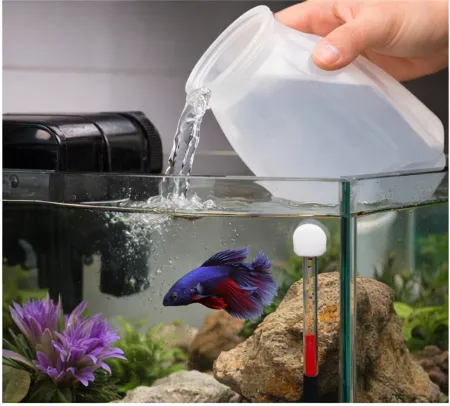
Best Water Conditioner for Bettas: How to Choose and Use It Correctly

Best Water Conditioner for Bettas: How to Choose and Use It Correctly

The best water conditioner for bettas is the cheapest insurance policy in the entire hobby, a small bottle costs little, lasts months, and prevents the single most common fatal mistake new owners make: adding untreated tap water to the tank. This guide explains exactly what a conditioner must neutralise, compares the well-known product types side

Best Water Conditioner for Bettas: How to Choose and Use It Correctly Read More »

Best Live Foods for Bettas: A Practical, Real-World Guide for 2026

Best Live Foods for Bettas: A Practical, Real-World Guide for 2026

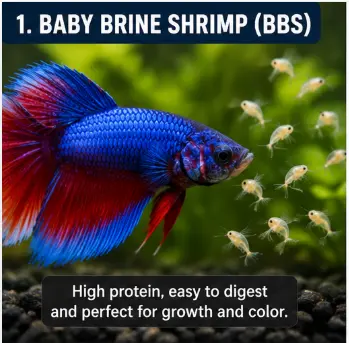
Quick answer: The best live foods for bettas are baby brine shrimp, daphnia, mosquito larvae and blackworms. Feed live food 2–3 times a week alongside a quality pellet, offer only what your betta eats in about two minutes, and use cultured sources rather than collecting from ponds, which can carry parasites. If you’ve kept bettas

Best Live Foods for Bettas: A Practical, Real-World Guide for 2026 Read More »

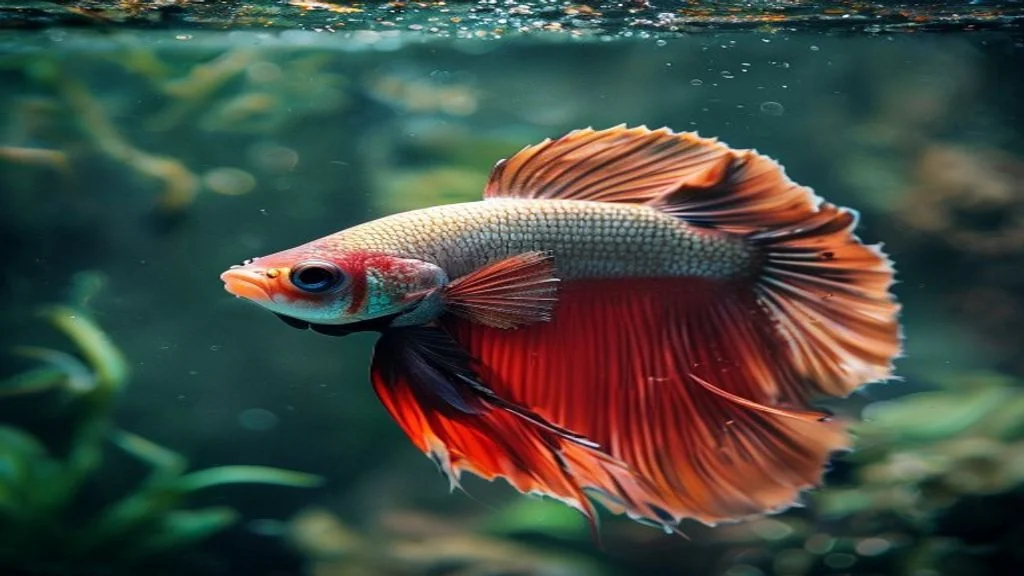
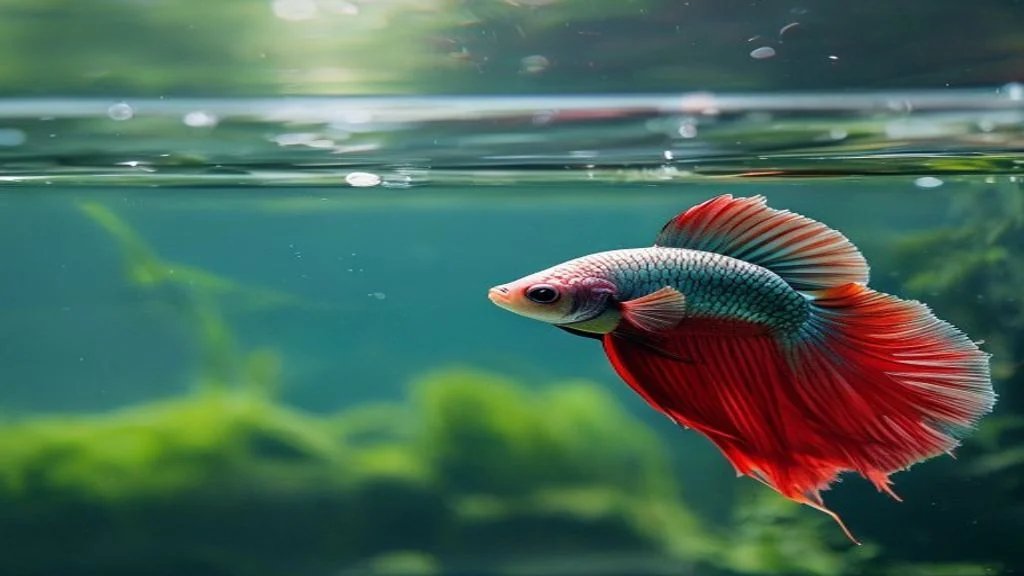
Red and silver halfmoon betta with long fins

Betta Nitrite Poisoning: The “Brown Blood” Suffocation (Symptoms & Fix)

Betta nitrite poisoning is the cruel second wave of a tank that is still cycling: just as the ammonia danger fades, nitrite rises and suffocates the fish from the inside, which is why a nitrite-poisoned betta keeps gasping at the surface no matter how much you aerate the water. If your betta is gasping with

Betta Nitrite Poisoning: The “Brown Blood” Suffocation (Symptoms & Fix) Read More »

Best Betta Tank Decorations: Safe Choices and What to Avoid

Best Betta Tank Decorations: Safe Choices and What to Avoid

Written by Muhammad Zohaib: betta keeper, bettafishh.com/. Decorations are enrichment and a hazard, the same ornament can keep a betta happy or tear its fins, depending on one detail. Cross-checked with aquarium references (see Sources). Quick answer: The best betta decorations are smooth, fin-safe items that provide cover and enrichment: silk (not stiff plastic) or

Best Betta Tank Decorations: Safe Choices and What to Avoid Read More »

Do Betta Fish Need Light? The Hours, Schedule & Best Setup

Do Betta Fish Need Light? The Hours, Schedule & Best Setup

Written by Muhammad Zohaib: betta keeper, bettafishh.com/. “Leave the light on so I can see him” is one of the most common quiet mistakes, bettas need darkness as much as light. Cross-checked with aquarium references (see Sources). Quick answer: Yes, betta fish need light, but on a schedule: about 8–12 hours of light and 12–16

Do Betta Fish Need Light? The Hours, Schedule & Best Setup Read More »

Best Substrate for a Betta Tank: Sand vs Gravel vs Bare Bottom

Best Substrate for a Betta Tank: Sand vs Gravel vs Bare Bottom

Written by Muhammad Zohaib: betta keeper and founder of bettafishh.com/. Substrate seems like a cosmetic choice, until sharp gravel shreds a betta's fins or trapped waste poisons the water. Cross-checked with aquarium references (see Sources). Quick answer: The best substrate for a betta tank is fine sand or smooth, rounded gravel, both are fin-safe and

Best Substrate for a Betta Tank: Sand vs Gravel vs Bare Bottom Read More »

How Long Can a Betta Fish Go Without Food? The Honest Answer

How Long Can a Betta Fish Go Without Food? The Honest Answer

Written by Muhammad Zohaib: betta keeper, bettafishh.com/. This question comes up for three very different reasons, fasting, vacations, and a fish that won’t eat, and each has a different answer. Cross-checked with aquarium references (see Sources). Quick answer: A healthy adult betta can comfortably go about 5–7 days without food, and up to ~10–14 days

How Long Can a Betta Fish Go Without Food? The Honest Answer Read More »